
News
NACADA Bans Sale of Alcohol in Supermarkets, Restaurants, Online, and Other Areas


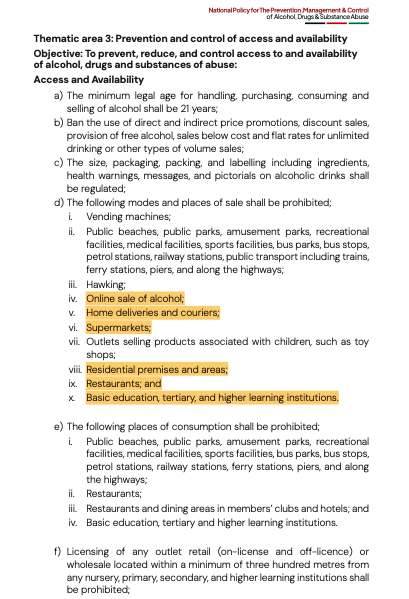
The National Authority for the Campaign Against Alcohol and Drug Abuse (NACADA) has announced comprehensive new regulations that will fundamentally reshape how alcohol is sold and consumed in Kenya, introducing some of the most restrictive liquor policies in the region.
The new directives, effective immediately, prohibit the sale of alcoholic beverages in supermarkets, restaurants, and through online platforms, marking a dramatic shift from current retail practices.
The ban extends to home delivery services, which had become increasingly popular among urban consumers, particularly during and after the COVID-19 pandemic.
Under the new regulations, alcohol can no longer be sold through vending machines, at public venues including beaches, parks, amusement facilities, medical centers, sports complexes, bus stations, petrol stations, railway terminals, and along highways.
The authorities have also banned hawking of alcoholic products and sales in residential areas.
Educational institutions at all levels, from basic education through tertiary and higher learning institutions, are explicitly included in the prohibited zones.
Additionally, outlets that sell children’s products, such as toy shops, are now forbidden from retailing alcoholic beverages.
The policy introduces a significant change to Kenya’s legal drinking age, raising it from 18 to 21 years.
This adjustment aligns Kenya with countries like the United States while departing from the practice in many African nations.
The new age restriction also prohibits anyone under 21 from entering alcohol-selling establishments, regardless of whether they are accompanied by adults.
In a move targeting modern marketing practices, the regulations prohibit social media influencers, celebrities, entertainment personalities, sports figures, and media personalities from endorsing, promoting, or advertising alcohol, drugs, and other controlled substances.
This restriction reflects growing global concerns about the influence of social media marketing on youth consumption patterns.
The sweeping nature of these restrictions suggests a significant policy shift toward public health priorities, potentially reflecting government concerns about alcohol-related social problems and health issues.
Implications
However, the implementation of these measures is likely to face substantial resistance from various stakeholders, including retailers, hospitality businesses, and consumers.
Supermarket chains, which have traditionally been major alcohol retailers, will need to restructure their business models and potentially face revenue losses.
Restaurants and hotels may similarly experience reduced profit margins, as alcohol sales typically carry higher markups than food items.
The online alcohol delivery sector, which had experienced substantial growth in urban areas like Nairobi, Mombasa, and Kisumu, faces complete elimination under these new rules.
This will particularly impact tech-enabled platforms that had built their business models around convenient alcohol delivery services.
For consumers, particularly in urban areas where supermarket shopping and home delivery had become routine, these changes will require significant behavioral adjustments.
The restrictions may drive alcohol sales toward traditional bars and licensed establishments, potentially increasing costs for consumers and reducing convenience.
The enforcement of these regulations will likely require substantial government resources and coordination between NACADA, local authorities, and law enforcement agencies.
Questions remain about how effectively these widespread restrictions can be monitored and enforced across Kenya’s diverse retail landscape.
Industry observers suggest these measures may face legal challenges from affected businesses and could potentially impact government tax revenues from alcohol sales.
The hospitality and retail sectors are expected to lobby for modifications to the regulations, particularly regarding restaurant sales and the complete ban on supermarket alcohol retail.
The timing of these announcements coincides with broader government initiatives aimed at addressing substance abuse and promoting public health, indicating that alcohol regulation has become a priority for Kenyan policymakers as they balance economic interests with social welfare concerns.
Kenya Insights allows guest blogging, if you want to be published on Kenya’s most authoritative and accurate blog, have an expose, news TIPS, story angles, human interest stories, drop us an email on [email protected] or via Telegram


Kenya Airways Sinks Into Deeper Turbulence As American Supplier Sues In New York Court Over Sh129 Million Unpaid Debts

Kenyan player wins a Ksh3.2 million jackpot

IEBC Sets August 10 Date For 2027 General Election

Furious Ruto Lashes Out at Gideon Moi Over Repeated ‘Blackmail, Extortionist’ Headlines on The Standard and KTN

Mombasa Gripped by ‘Male Organ Theft’ Panic as Social Media Fuels Mob Attacks and Fear

TOO MUCH PR, NOTHING TO SEE: How Gladys Wanga Built a Perfect Story of Transformation While Homa Bay Bled

Netanyahu Says Israel Must ‘Break Free from Dependence’ After Tensions With Trump Administration

Niger pulls Out Of International Criminal Court After Calling It Neo-Colonialist

Kenya Awards Sh154 Billion JKIA Upgrade Tender To Chinese Firm CRBC

The Untouchable: How KURA’s Silas Kinoti Has Survived A Decade Of Corruption Storms While Kenya’s Roads Bled

Businessman Philip Waithaka Kinuthia’s Minor Son Allegedly Drove Drunk, Killed Two Peponi Students in Ngong Road Horror Crash as Claims of Cover-Up Intensify

Inside NCBA’s Decline: How a Banking Giant Lost Its Strategic Edge

South Sudan: Adut Salva Kiir’s Shadow Treasury Exposed

Cement, Cash and Courts: How the Hashu Dynasty Crushed the Ramji Brothers for Fourteen Years and Why the Walls Are Now Closing In

Standard Chartered Ghosts Haunt Joshua Oigara At Stanbic As Whistleblower Spills Beans

Inside The Urban Planning Cartel That Owns Nairobi

THE VULTURE AND THE SCHEME How Nairobi West Hospital Became the Most Dangerous Institution in Kenya’s SHA Ecosystem and Why the Books Must Be Audited Now

The President’s Daughter and The Missing Witness: How Adut Salva Kiir’s Shadow Treasury Silenced Its Most Dangerous Critic

How Adil Popat Saved His Empire On The Eve Of Imperial Bank Collapse and Why Kenya’s Mainstream Media Buried The Story

Why John Ngumi Is Running From the EACC and Why the Sh415 Million Payday May Be the Least of His Worries
-
 News1 week ago
Businessman Philip Waithaka Kinuthia’s Minor Son Allegedly Drove Drunk, Killed Two Peponi Students in Ngong Road Horror Crash as Claims of Cover-Up Intensify
-
 Africa2 weeks ago
South Sudan: Adut Salva Kiir’s Shadow Treasury Exposed
-
 Investigations7 days ago
THE VULTURE AND THE SCHEME How Nairobi West Hospital Became the Most Dangerous Institution in Kenya’s SHA Ecosystem and Why the Books Must Be Audited Now
-
 Business2 weeks ago
How Adil Popat Saved His Empire On The Eve Of Imperial Bank Collapse and Why Kenya’s Mainstream Media Buried The Story
-
 Business2 weeks ago
Why John Ngumi Is Running From the EACC and Why the Sh415 Million Payday May Be the Least of His Worries
-

 Business4 days ago
BURRIED TWICE: The Victoria Bank CEO Yogesh Pattni Files
-

 Business7 days ago
Inside the Billion-Shilling Betrayal: How Senior Treasury Officials Plundered a UN Poverty Fund and Built a Real Estate Empire on the Backs of Kenya’s Rural Poor
-

 Business1 week ago
The Listing That Doesn’t Lie: What the Market Isn’t Saying About Family Bank’s NSE Debut