
News
MCK Pushes For Sh1.5 Billion AI Tool To Monitor Journalists

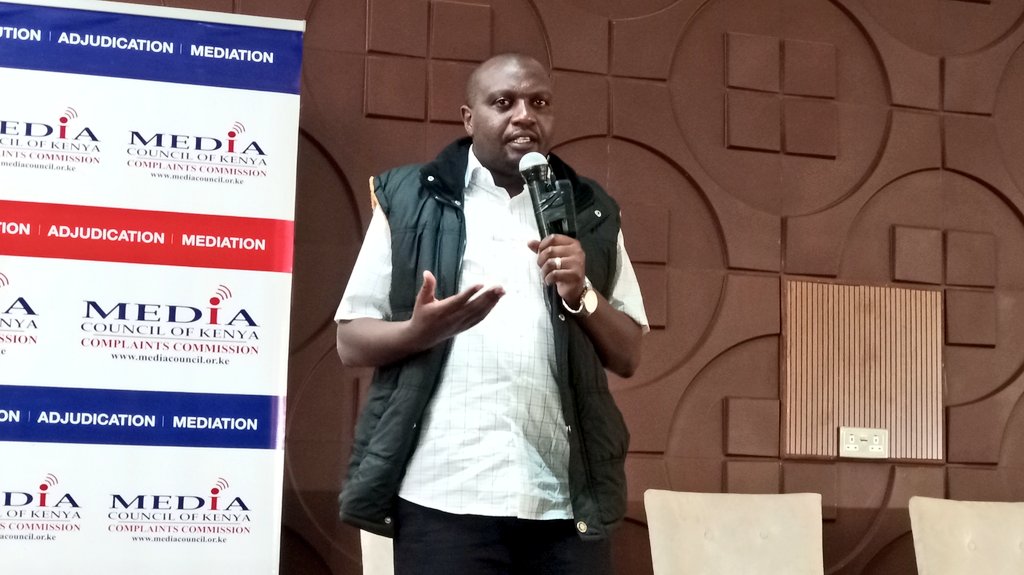
The Media Council of Kenya (MCK) is seeking Sh1.5 billion from Parliament to acquire an artificial intelligence-powered monitoring system that would strengthen ethical oversight in the media industry.
Appearing before the National Assembly’s Committee on Communication, Information and Innovation on Tuesday, MCK officials argued that the investment is necessary to modernise the council’s capacity and keep pace with Kenya’s rapidly expanding broadcast sector.
MCK Chief Executive Officer David Omwoyo told MPs that the country now has about 250 licensed television stations, many of them broadcasting in vernacular languages, making it difficult for the council’s human analysts to adequately monitor content.
“The current framework relies on 37 analysts, which is not sufficient to comprehensively cover the media landscape. This gap calls for urgent and strategic investment in an advanced system capable of real-time monitoring to safeguard ethical compliance,” Omwoyo said.
He explained that the proposed AI system would allow the council to flag unethical or harmful content instantly, particularly from vernacular stations that have historically evaded effective oversight.
The council also presented sobering statistics on press freedom violations this year, revealing that between January and September 2025, it had recorded 84 incidents. These included 56 cases of physical assault on journalists—mostly during anti-government protests and political events—16 cases of intimidation, eight of censorship, three arrests and one abduction.
Male journalists were disproportionately affected, with 65 cases compared to 19 involving female reporters. Police officers were cited as perpetrators in the majority of the violations (65), followed by hired gangs (28). Government officials, including Cabinet Secretaries and county officers, were linked to 15 incidents, while others involved protesters, teachers, politicians, a governor and even a magistrate.
Committee chair John Kiarie acknowledged the tension between press freedom and accountability, stressing the need for Parliament to craft laws that both protect journalists and shield the public from misinformation.
“The narratives shaping our world today are increasingly driven by algorithms and platforms outside traditional newsrooms. Parliament must strike a balance between protecting Kenyans from misinformation and upholding a free, responsible press,” Kiarie said.
The committee further resolved to work with MCK and the Centre for Parliamentary Studies and Training (CPST) to boost MPs’ media literacy ahead of the next elections, while also urging media houses to embrace digital transformation.
Kenya Insights allows guest blogging, if you want to be published on Kenya’s most authoritative and accurate blog, have an expose, news TIPS, story angles, human interest stories, drop us an email on [email protected] or via Telegram


Kenya Airways Sinks Into Deeper Turbulence As American Supplier Sues In New York Court Over Sh129 Million Unpaid Debts

Kenyan player wins a Ksh3.2 million jackpot

IEBC Sets August 10 Date For 2027 General Election

Furious Ruto Lashes Out at Gideon Moi Over Repeated ‘Blackmail, Extortionist’ Headlines on The Standard and KTN

Mombasa Gripped by ‘Male Organ Theft’ Panic as Social Media Fuels Mob Attacks and Fear

TOO MUCH PR, NOTHING TO SEE: How Gladys Wanga Built a Perfect Story of Transformation While Homa Bay Bled

Netanyahu Says Israel Must ‘Break Free from Dependence’ After Tensions With Trump Administration

Niger pulls Out Of International Criminal Court After Calling It Neo-Colonialist

Kenya Awards Sh154 Billion JKIA Upgrade Tender To Chinese Firm CRBC

The Untouchable: How KURA’s Silas Kinoti Has Survived A Decade Of Corruption Storms While Kenya’s Roads Bled

Businessman Philip Waithaka Kinuthia’s Minor Son Allegedly Drove Drunk, Killed Two Peponi Students in Ngong Road Horror Crash as Claims of Cover-Up Intensify

Inside NCBA’s Decline: How a Banking Giant Lost Its Strategic Edge

South Sudan: Adut Salva Kiir’s Shadow Treasury Exposed

Cement, Cash and Courts: How the Hashu Dynasty Crushed the Ramji Brothers for Fourteen Years and Why the Walls Are Now Closing In

Standard Chartered Ghosts Haunt Joshua Oigara At Stanbic As Whistleblower Spills Beans

Inside The Urban Planning Cartel That Owns Nairobi

THE VULTURE AND THE SCHEME How Nairobi West Hospital Became the Most Dangerous Institution in Kenya’s SHA Ecosystem and Why the Books Must Be Audited Now

The President’s Daughter and The Missing Witness: How Adut Salva Kiir’s Shadow Treasury Silenced Its Most Dangerous Critic

How Adil Popat Saved His Empire On The Eve Of Imperial Bank Collapse and Why Kenya’s Mainstream Media Buried The Story

Why John Ngumi Is Running From the EACC and Why the Sh415 Million Payday May Be the Least of His Worries
-
 News2 weeks ago
Businessman Philip Waithaka Kinuthia’s Minor Son Allegedly Drove Drunk, Killed Two Peponi Students in Ngong Road Horror Crash as Claims of Cover-Up Intensify
-
 Africa2 weeks ago
South Sudan: Adut Salva Kiir’s Shadow Treasury Exposed
-
 Investigations7 days ago
THE VULTURE AND THE SCHEME How Nairobi West Hospital Became the Most Dangerous Institution in Kenya’s SHA Ecosystem and Why the Books Must Be Audited Now
-
 Business2 weeks ago
How Adil Popat Saved His Empire On The Eve Of Imperial Bank Collapse and Why Kenya’s Mainstream Media Buried The Story
-
 Business2 weeks ago
Why John Ngumi Is Running From the EACC and Why the Sh415 Million Payday May Be the Least of His Worries
-

 Business4 days ago
BURRIED TWICE: The Victoria Bank CEO Yogesh Pattni Files
-

 Business7 days ago
Inside the Billion-Shilling Betrayal: How Senior Treasury Officials Plundered a UN Poverty Fund and Built a Real Estate Empire on the Backs of Kenya’s Rural Poor
-

 Business1 week ago
The Listing That Doesn’t Lie: What the Market Isn’t Saying About Family Bank’s NSE Debut