
News
Kenya Seeks Return of Bodies, Prisoners From Ukraine War
Mudavadi is expected to visit Moscow in March as part of diplomatic efforts to address the issue of Kenyan nationals involved in the war.

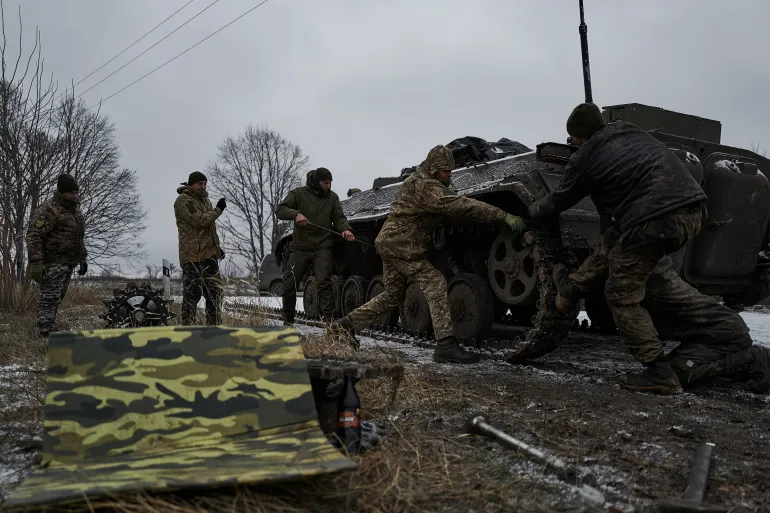
The Kenyan government has demanded the repatriation of its citizens killed or captured while reportedly fighting for Russia in the war in Ukraine, following new intelligence disclosures that more than 1,000 Kenyans are currently involved in the conflict.
Kenya’s principal intelligence agency told parliament this week that over 1,000 nationals are fighting for Russia, an increase from the roughly 200 cited by Foreign Affairs Minister Musalia Mudavadi in November.
The updated figures have heightened concerns over foreign recruitment and national security.
In response, Principal Secretary for Foreign Affairs Korir Sing’Oei met Russian Ambassador Vsevolod Tkachenko in Nairobi on Friday.
“During our talks, I conveyed the Government’s grave concern regarding Kenyan nationals currently caught up in the Russia-Ukraine conflict,” Sing’Oei said in a statement after the meeting on Friday.
Sing’Oei said Kenya had requested unimpeded consular access to its citizens and clear protocols for the repatriation of prisoners of war and the remains of those killed.
“I called for unimpeded consular access to our citizens and sought clear, transparent protocols regarding the repatriation of both prisoners of war and the remains of the deceased,” he added.
“Our priority remains the safety and dignity of every Kenyan abroad. I welcomed the cooperation of the embassy in staving off any illegal recruitment of Kenyans.”
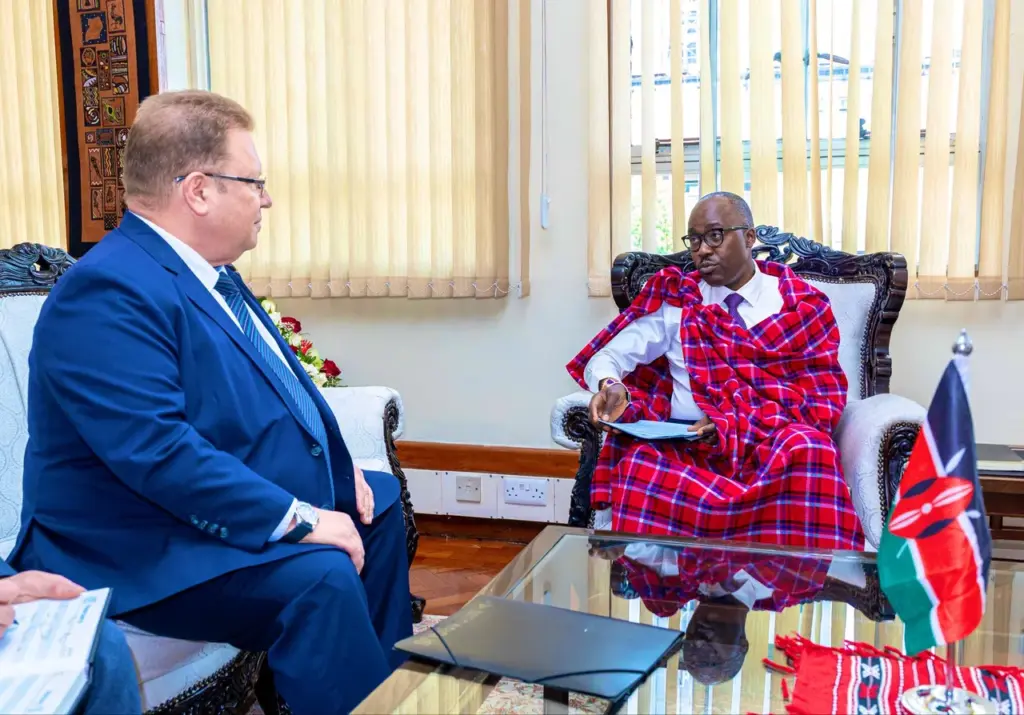
Kenya’s Principal Secretary Korir Sing’Oei met with Russian Ambassador Tkachenko, in Nairobi, urging return of Kenyans fighting for Russia in Ukraine.
Mudavadi is expected to visit Moscow in March as part of diplomatic efforts to address the issue of Kenyan nationals involved in the war.
Moscow has denied recruiting Kenyans to fight in Ukraine. The Russian Embassy in Nairobi said on Thursday it had noted “a dangerous and misleading propaganda campaign” in the media regarding Kenyans’ participation in the conflict.
Kenyan security officials have attributed much of the recruitment to unlicensed agencies operating in the country. Authorities say some agencies allegedly lure job seekers with promises of security or construction work abroad, only for recruits to end up in combat zones.
Officials added that many recruits travel through other African countries before reaching Russia, complicating monitoring and enforcement efforts.
Governments across Africa and Asia have previously warned citizens against joining the conflict, due to legal and security risks.
Other African nations, including Nigeria and South Africa, have also raised concerns about their nationals recruited by Moscow.
In November, Ukraine’s Foreign Minister Andriy Sybigasaid at least 1,436 citizens from 36 African countries had been identified among Russian ranks.
Kenya Insights allows guest blogging, if you want to be published on Kenya’s most authoritative and accurate blog, have an expose, news TIPS, story angles, human interest stories, drop us an email on [email protected] or via Telegram


KRA Warns It Will Automatically File Tax Returns for Kenyans Who Miss June 30 Deadline Using Its Own Data

Govt Plans to Monetise eCitizen Data in New Revenue Drive

Dennis Onyango: Why Raila Won Elections But Never Became President

Israel, Iran Trade Fire Despite Trump’s Call For Restraint

Dennis Onyango Lifts Lid on Raila’s Inner Circle, Says Sifuna Lost Baba’s Trust While Babu Was Viewed as a Threat

Sibling Rivalry? Cracks Emerge Within Linda Mwananchi

Instant Traffic Fines Still Active Despite Court Order, NTSA Clarifies

Why All Eyes Are On Gambling Authority CEO Peter Karimi As Kenya’s Betting Firms Race To Beat The June Licence Renewal Deadline

The Deal Behind Nairobi Animal Orphanage: Is This Really About Animals Or Billions In Prime Park Land

Iran Launches Missiles At Israel For First Time Since Mideast Truce

Cement, Cash and Courts: How the Hashu Dynasty Crushed the Ramji Brothers for Fourteen Years and Why the Walls Are Now Closing In

Inside The Urban Planning Cartel That Owns Nairobi

Why Ruto’s Favourite Candidate Adan Mohammed Could Be Locked Out of the KRA Top Job

LifeCare on the Brink: SHA Fraud, Stolen Wages, and the Rotten Empire Jayesh Saini Built

Este Medical Kenya Fights American’s Explosive Complaints

The Rot Inside Absa: How Bank Insiders Are Looting Nairobi’s Customers

Inside FAFSA Fraud: How Kenyan Cybercriminals Siphoned Millions from America’s Sh12 Billion Student Loan System

Betika Faces DCI Probe, Directors Arrest and License Revocation Over Massive 29.5 Million Safaricom Customers’ Data Breach

Court Confirms Safaricom Customers Data Was Sold To Betting Companies In Seven-Year Cover-Up

Fresh Move Launched to Remove Kenya Railways MD Mainga From Office After Awarding Sh817 Million Consultancy Contract
-
 Investigations4 days ago
Cement, Cash and Courts: How the Hashu Dynasty Crushed the Ramji Brothers for Fourteen Years and Why the Walls Are Now Closing In
-
 Investigations2 days ago
Inside The Urban Planning Cartel That Owns Nairobi
-
 Investigations2 weeks ago
LifeCare on the Brink: SHA Fraud, Stolen Wages, and the Rotten Empire Jayesh Saini Built
-
 Investigations1 week ago
Betika Faces DCI Probe, Directors Arrest and License Revocation Over Massive 29.5 Million Safaricom Customers’ Data Breach
-
 Investigations4 days ago
Fresh Move Launched to Remove Kenya Railways MD Mainga From Office After Awarding Sh817 Million Consultancy Contract
-

 News1 week ago
Eight Students Arrested In Kenya After Suspected Deadly School Arson Attack
-
 News1 week ago
How Uhuru’s Deal With Obama In 2015 Paved Way For America’s Ebola Plan In Kenya
-

 Investigations2 weeks ago
The Invisible Hand: Al Jazeera Further Exposes How Safaricom Became The Regime’s Most Powerful Spy