
Investigations
Human Trafficking: How Kenyan Cartels Smuggle Refugees To Libya
According to investigations, the process starts from recruitment within the refugee camps through word of mouth and social media, mainly TikTok and WhatsApp.

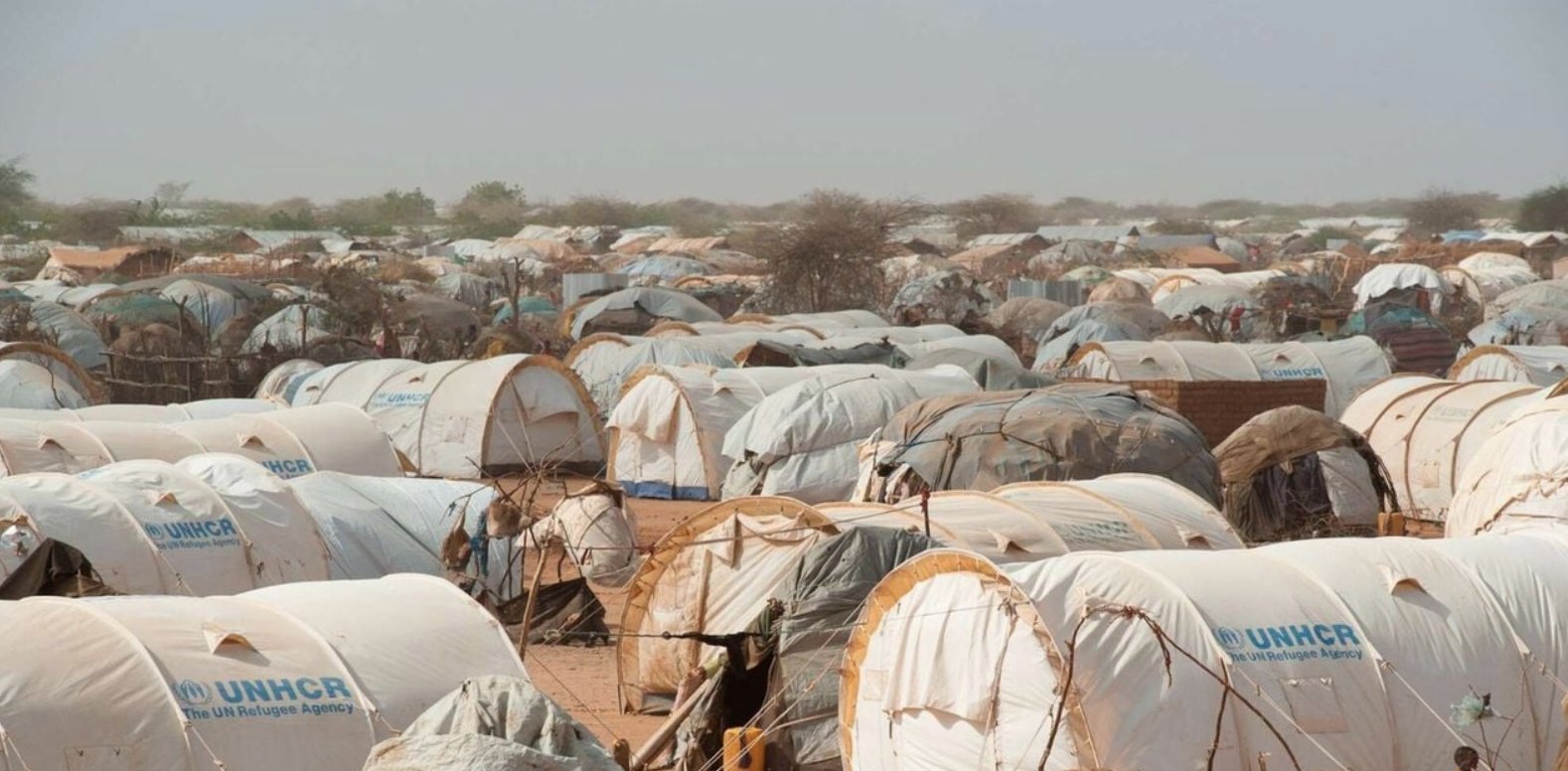
Detectives have unearthed a new ambitious human trafficking cartel targeting refugees at the Dadaab camp in Garissa County, which smuggles the refugees to Libya at a fee.
The multi-agency team is putting measures in place to forestall more planned trafficking, said to have been exacerbated by the dwindling humanitarian support at the camps.
According to reports and sources, dozens of unsuspecting and desperate young refugees have been trafficked only to be welcomed by the reality of harsh conditions in Libyan camps.
In Nairobi, the head of Nairobi Region DCI Benson Kasyoki said they are investigating one case that was reported to them last week.
“At least one case has been reported to us. We are however yet to identify the recruiting agent but efforts to trace him are ongoing to stop further such crime,” he said.
According to investigations, the process starts from recruitment within the refugee camps through word of mouth and social media, mainly TikTok and WhatsApp.
Once they identify a target, they isolate them and warn them against sharing any plans with their parent or siblings at the risk of missing out on the “opportunity of a lifetime”.
They are then turned into agents of recruitment by identifying like-minded peers who are also interested in, ostensibly, a trip to Europe that is called “Tahrib” meaning migration, the report further states.
Risky routes
The investigators have established key and possible routes used by the trans-Saharan human trafficking syndicate. The first route goes through Dadaab –Garissa –Mwingi –Thika –Nairobi-Busia-Kampala-South Sudan –Libya.
The second one is from Dadaab-Mombasa-Busia-Kampala-South Sudan –Libya, while the third route is from Dadaab-Garissa-Isiolo-Samburu-Turkana-South Sudan –Libya.
Then there is Dadaab-Garissa-Wajir-Ethiopia-Sudan-Libya.
“The journey to Libya is not easy as some of the victims die on the way due to starvation, being transported in horrible conditions to avoid police detection and diseases due to travelling in new environs without proper care,” an official told People Daily.
Once they reach Libya they are taken to concentration camps where they are exposed to torture, forced labour, extortion and organ harvesting.
Some of the victims, those who are strong and healthy, are forced to join terror organisations such as the Islamic State (IS) in Libya as foreign fighters.
The people that hold them in these concentration camps are known as “Magafe”, which loosely translates to “the one that does not miss”. The Magafe then proceed to torture and starve the victims while recording them and sending video recordings to the parents of the victims, demanding ransom of between Sh2 million and Sh3 million.
The traffickers ask the parents to send the money through Hawallas (a popular informal value transfer system) and Remitley (a money transfer service) so as to avoid detection from local law enforcement.
The cases of trafficked victims from Kenya are seen to capitalise on the element of vulnerability, exploitation and deception, according to the officials.
“The traffickers are targeting vulnerable youths aged between 15 and 24 years. They target refugees from Dadaab who are desperate for a better life,” a member of the multi-agency team explained.
The victims are baited with the promise of taking them to Europe and the hope of bettering their lives.
“However, they are misguided because they end up entering into an unknowing contract of being exploited for money,” added an investigator in the team.
Once the victims are assembled and ready to be transported, their mobile phones are then turned off and confiscated by the traffickers to avoid police from tracking and rescuing them during their journey in case their parents raise the alarm.
After engaging the security forces in the area, they revealed that there is an increase of youth being trafficked to Libya due to diminishing humanitarian support, limited resources, unemployment and a general feeling of hopelessness.
“The youth are urged to be very cautious and weary of people who are promising them a better life and asking them to keep it a secret from their family and friends,” an official said.
According to the UNHCR, human trafficking is a severe violation of human rights involving the recruitment, transportation, transfer, harbouring, or receipt of persons through force, fraud, deception, abuse of power, vulnerability and exploitation.
Kenya Insights allows guest blogging, if you want to be published on Kenya’s most authoritative and accurate blog, have an expose, news TIPS, story angles, human interest stories, drop us an email on [email protected] or via Telegram


Nyali MP Moha Jicho Pevu Caught Up In Alleged Sh44 Million KPA Debt Scam

Somalia Deputy PM Held at JKIA, Deported Over Questionable Acquisition of Kenyan Passport

The White-Coat Heist: How MP Shah Hospital Ran a Decade-Long Double-Extraction Racket While Hiding Behind Charity Status

The Patriarch, His Children, and a Buried Sh3.9 Billion Fraud: The Story of Titus Muya That Kenya Was Never Meant to Read

The Founder’s Ransom: How Titus Muya Had to Be Paid Sh231 Million to Let Go of Family Bank and Why That Bill Is Now Yours

Kenya’s gambling industry pushes back against a licensing bill

Kenya Airways Sinks Into Deeper Turbulence As American Supplier Sues In New York Court Over Sh129 Million Unpaid Debts

Kenyan player wins a Ksh3.2 million jackpot

IEBC Sets August 10 Date For 2027 General Election

Furious Ruto Lashes Out at Gideon Moi Over Repeated ‘Blackmail, Extortionist’ Headlines on The Standard and KTN

Businessman Philip Waithaka Kinuthia’s Minor Son Allegedly Drove Drunk, Killed Two Peponi Students in Ngong Road Horror Crash as Claims of Cover-Up Intensify

Inside NCBA’s Decline: How a Banking Giant Lost Its Strategic Edge

South Sudan: Adut Salva Kiir’s Shadow Treasury Exposed

Cement, Cash and Courts: How the Hashu Dynasty Crushed the Ramji Brothers for Fourteen Years and Why the Walls Are Now Closing In

Standard Chartered Ghosts Haunt Joshua Oigara At Stanbic As Whistleblower Spills Beans

Inside The Urban Planning Cartel That Owns Nairobi

THE VULTURE AND THE SCHEME How Nairobi West Hospital Became the Most Dangerous Institution in Kenya’s SHA Ecosystem and Why the Books Must Be Audited Now

The President’s Daughter and The Missing Witness: How Adut Salva Kiir’s Shadow Treasury Silenced Its Most Dangerous Critic

How Adil Popat Saved His Empire On The Eve Of Imperial Bank Collapse and Why Kenya’s Mainstream Media Buried The Story

Why John Ngumi Is Running From the EACC and Why the Sh415 Million Payday May Be the Least of His Worries
-
 News2 weeks ago
Businessman Philip Waithaka Kinuthia’s Minor Son Allegedly Drove Drunk, Killed Two Peponi Students in Ngong Road Horror Crash as Claims of Cover-Up Intensify
-
 Investigations1 week ago
THE VULTURE AND THE SCHEME How Nairobi West Hospital Became the Most Dangerous Institution in Kenya’s SHA Ecosystem and Why the Books Must Be Audited Now
-

 Business4 days ago
BURRIED TWICE: The Victoria Bank CEO Yogesh Pattni Files
-

 Business1 week ago
Inside the Billion-Shilling Betrayal: How Senior Treasury Officials Plundered a UN Poverty Fund and Built a Real Estate Empire on the Backs of Kenya’s Rural Poor
-

 Business2 weeks ago
The Listing That Doesn’t Lie: What the Market Isn’t Saying About Family Bank’s NSE Debut
-

 Business1 week ago
The Banker Who Walked Away: How Yogesh Pattni Survived a Financial Crime Scandal That Shook Kenya
-
 Business13 hours ago
The Patriarch, His Children, and a Buried Sh3.9 Billion Fraud: The Story of Titus Muya That Kenya Was Never Meant to Read
-

 News6 days ago
My Life Is In Danger: Investor Drops Bombshell Expose On Thomas Ogutu CEO VeGrid Ltd And Fugitive Nairobi CEC Charles Kerich – DCI Inaction And Corruption Network Exposed