
News
Global Human Rights Watchdog Puts Kenya in the List of Shame After Protest Killings
“The Kenyan government has turned its back on the rights of the people,” Van Severen stated

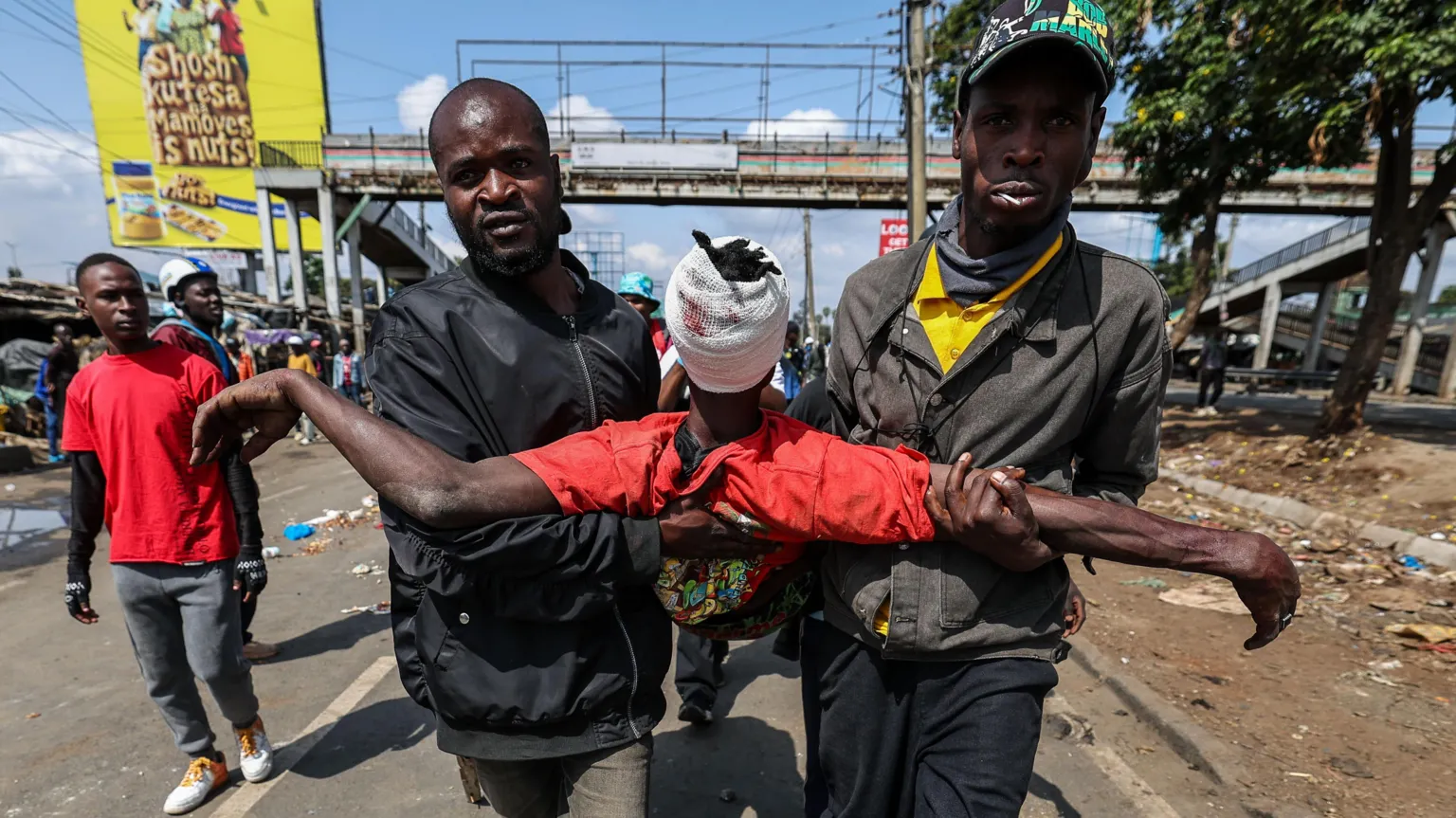
Kenya has found itself among the world’s most repressive nations after being added to a global list of countries with deteriorating civic freedoms, following the deadly crackdown on anti-government protests that claimed over 60 lives last year.
The Civicus Monitor, a prestigious international human rights watchdog that tracks civic freedoms across 198 countries, announced Wednesday that Kenya has joined 51 nations on its shame list due to what it termed “a disturbing escalation in State-led suppression of civic freedoms.”
The East African nation now stands alongside El Salvador, Indonesia, Turkey, Serbia, and the United States as recent additions to this concerning roster.
The decision comes more than a year after the tragic events of June 25 and July 7, 2024, when thousands of Kenyans took to the streets to protest the controversial Finance Bill.
What began as peaceful demonstrations by citizens exercising their constitutional rights quickly descended into chaos as security forces responded with what human rights observers describe as excessive and lethal force.
According to Civicus Monitor’s comprehensive report titled “Police bullets, digital chains: State-sanctioned brutality in Kenya’s peaceful youth-led uprising,” at least 65 protesters lost their lives during the demonstrations, with hundreds more sustaining injuries and over 1,500 facing arrest.
The victims included Rex Masai, Erickson Mutisya, Kennedy Onyango, Caroline Shiramba, and Benson Mbithi, whose deaths have become symbols of the government’s harsh response to dissent.
The watchdog’s findings paint a disturbing picture of state brutality that extended beyond conventional crowd control measures.
Reports emerged of rape and gang rape allegedly perpetrated by state-sponsored goons who were deployed to infiltrate peaceful protests, attack demonstrators, and loot businesses.
These operatives worked alongside masked, plain-clothes security officers in unmarked vehicles, a practice that courts had explicitly prohibited but which continued unabated.
Ine Van Severen, Civicus Civic Space Research Lead, expressed grave concern about the systematic nature of the repression.
“The Kenyan government has turned its back on the rights of the people,” Van Severen stated, highlighting how the state weaponized terrorism charges against peaceful protesters to criminalize legitimate dissent.
The organization, which boasts over 15,000 members across 175 countries including heavyweight civil society groups like Amnesty International, Oxfam, and Greenpeace, has classified Kenya as “repressed” on its rating scale.
This represents the second-worst rating a country can receive, indicating severe restrictions on fundamental freedoms of expression, peaceful assembly, and association.
The human rights crisis has extended beyond street protests into digital spaces, where the government has begun imposing new restrictions that further suppress freedom of expression.
The recent murder of teacher and activist Albert Ojwang at Nairobi Central Police Station has intensified concerns about the safety of human rights defenders in the country.
Particularly troubling to civil society organizations is a January 2025 directive requiring social media companies to establish physical offices in Kenya.
Critics view this move, which came amid rising online criticism of President William Ruto’s administration, as a veiled attempt to undermine digital rights under the guise of national security concerns.
The Civicus Monitor draws its data from over 20 partner organizations using a comprehensive rating system that classifies countries from ‘open’ to ‘closed.’ Kenya’s placement in the ‘repressed’ category puts it in the company of nations where civic space is severely restricted and civil society faces significant challenges in operating freely.
The international community’s attention on Kenya’s human rights record comes at a time when the country, long considered a beacon of democracy in East Africa, faces mounting pressure to address systemic issues in its security apparatus and respect for constitutional rights.
The government’s response to peaceful protests has raised serious questions about its commitment to democratic principles and the rule of law.
As lawmakers face pressure to reject proposed surveillance legislation, the inclusion on Civicus Monitor’s shame list serves as a stark reminder of how quickly democratic gains can erode when governments prioritize suppression over dialogue with their citizens.
The international spotlight now shines uncomfortably on Kenya, challenging it to either reform its approach to dissent or risk further isolation from the global community of democratic nations.
Kenya Insights allows guest blogging, if you want to be published on Kenya’s most authoritative and accurate blog, have an expose, news TIPS, story angles, human interest stories, drop us an email on [email protected] or via Telegram


Gachagua Rejects Sh50 Million Court Compensation, Calls It An Insult

Havi, Ahmednasir Allege Two Senior Judges Are Behind Sh10 Billion KETRACO Claim by Non-Existent Foreign Firm

SH2 BILLION HEIST EXPOSED: How Tatu City’s Foreign Masters Used Dirty Offshore Traps, London Arbitration & Mauritius Liquidation to Strip Local Investors of Their Stake

Dimba Accused of Extorting Bank Executives in Escalating Feud

Humiliated, Handed Sh1,000 and Sent Away: Furious Residents Return Nathif Jama’s Money, Accuse Governor of Arrogance and Inhumane Treatment of Sick Woman

ICC’s Karim Khan Suspended Over Sexual Misconduct Claims

The Conquest of Tatu City, A New Zealander Story

VANISHING ACT: How China Jiangxi International Pocketed Billions in Kenyan Public Contracts, Then Walked Away

THE GROUP CHAT THAT BROKE THE CARTEL: How Kenya’s Biggest Mattress Firms Used WhatsApp to Fix Your Prices, Then Used It to Destroy Themselves

Court Upholds Gachagua Impeachment, Awards Him Sh50M In Constitutional Damages To Be Paid By Senate

Cement, Cash and Courts: How the Hashu Dynasty Crushed the Ramji Brothers for Fourteen Years and Why the Walls Are Now Closing In

Inside The Urban Planning Cartel That Owns Nairobi

Why Ruto’s Favourite Candidate Adan Mohammed Could Be Locked Out of the KRA Top Job

LifeCare on the Brink: SHA Fraud, Stolen Wages, and the Rotten Empire Jayesh Saini Built

Este Medical Kenya Fights American’s Explosive Complaints

Betika Faces DCI Probe, Directors Arrest and License Revocation Over Massive 29.5 Million Safaricom Customers’ Data Breach

The Rot Inside Absa: How Bank Insiders Are Looting Nairobi’s Customers

Inside FAFSA Fraud: How Kenyan Cybercriminals Siphoned Millions from America’s Sh12 Billion Student Loan System

Fresh Move Launched to Remove Kenya Railways MD Mainga From Office After Awarding Sh817 Million Consultancy Contract

Court Confirms Safaricom Customers Data Was Sold To Betting Companies In Seven-Year Cover-Up
-
 Investigations5 days ago
Cement, Cash and Courts: How the Hashu Dynasty Crushed the Ramji Brothers for Fourteen Years and Why the Walls Are Now Closing In
-
 Investigations3 days ago
Inside The Urban Planning Cartel That Owns Nairobi
-
 Investigations1 week ago
Betika Faces DCI Probe, Directors Arrest and License Revocation Over Massive 29.5 Million Safaricom Customers’ Data Breach
-
 Investigations5 days ago
Fresh Move Launched to Remove Kenya Railways MD Mainga From Office After Awarding Sh817 Million Consultancy Contract
-
 News2 weeks ago
Eight Students Arrested In Kenya After Suspected Deadly School Arson Attack
-
 News1 week ago
How Uhuru’s Deal With Obama In 2015 Paved Way For America’s Ebola Plan In Kenya
-

 Investigations2 weeks ago
The Invisible Hand: Al Jazeera Further Exposes How Safaricom Became The Regime’s Most Powerful Spy
-

 Business6 days ago
TRUST BETRAYED: How Senior DTB Bank Insiders Allegedly Looted Sh149 Million From a Customer’s Account Over Five Years