
News
EU Names Seven Countries as Safe in Plan to Fast-Track Migrant Returns

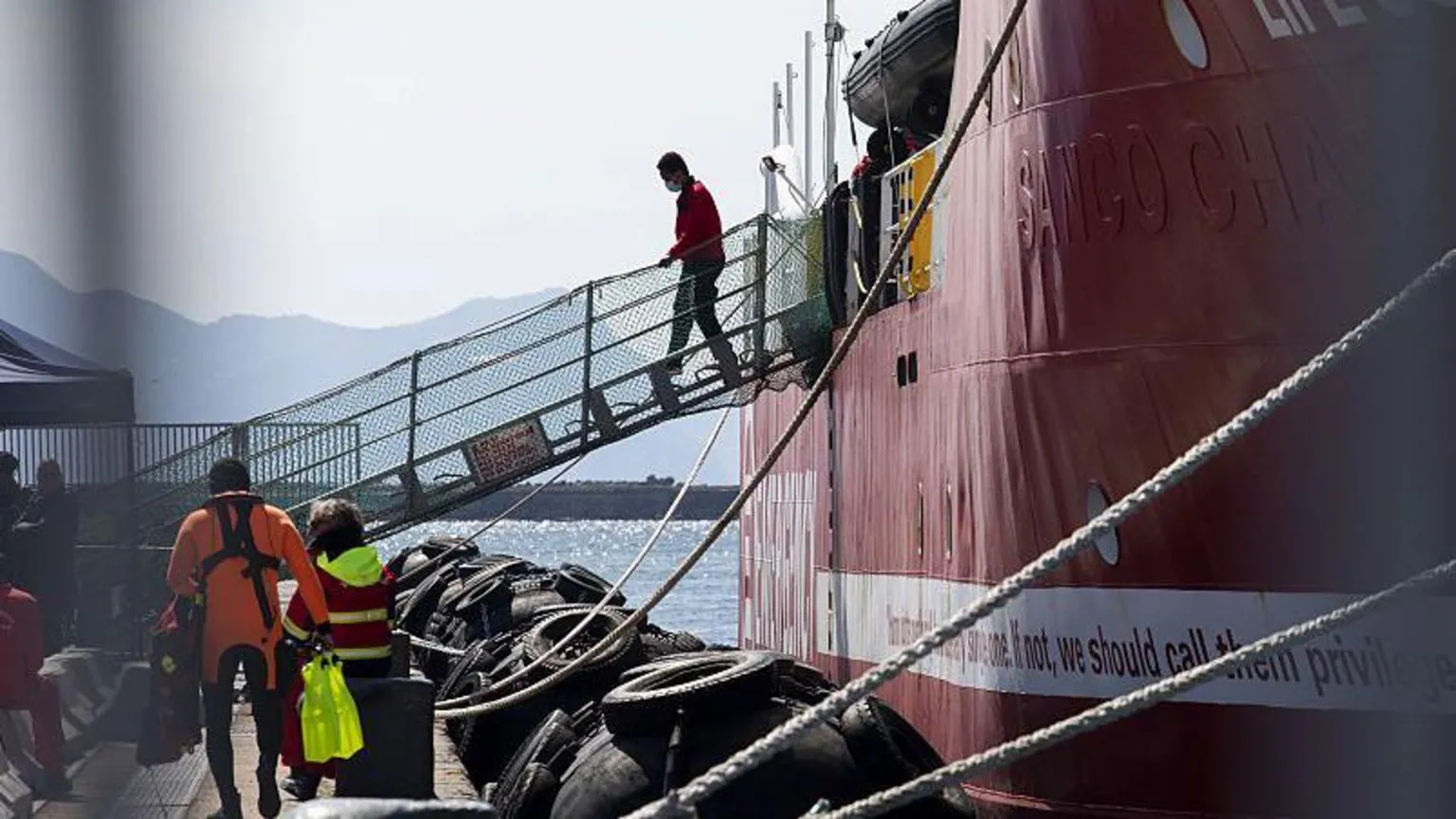
The European Union has identified seven countries it considers safe countries of origin, as part of proposals to speed up asylum applications, especially from those countries involved.
Citizens from Kosovo, Bangladesh, Colombia, Egypt, India, Morocco and Tunisia would all have their claims fast-tracked within three months on the assumption that they were likely to fail.
Markus Lammert of the European Commission said it would be a “dynamic list” that could be expanded or reviewed, with countries suspended or removed if they were no longer seen as safe.
Ever since EU countries saw an influx of irregular migrants in 2015-16, they have sought to reform asylum rules.
A pact on migration and asylum was agreed last year, but the EU says as it does not come into force until June 2026 it wants to push through two key rules on speeding up processing.
EU leaders called on the Commission last year to come up with plans to accelerate migrant returns, as EU figures suggested under 20% of people ordered to leave were sent back to their countries of origin.
Under the plans, EU countries would be able to fast track people coming either from safe countries or countries from which a maximum of one in five applicants are given protection.
European countries that are candidates to join the EU will automatically be considered safe, although exceptions are possible, for example for countries at war such as Ukraine.
Among the countries pushing for reform was Italy, which has seen a big influx since 2015. Other countries including Germany have imposed border controls in a bid to limit irregular migration.
Although Italy is among several member states that already have designated safe countries, it is thought an agreed EU list would deter asylum seekers from targeting those with looser regulations.
Morocco, Tunisia and Egypt have all seen large numbers of irregular migrants leave their shores to cross the Mediterranean in recent years.
The list has been welcomed by Giorgia Meloni’s right-wing government. Interior Minister Matteo Piantedosi hailed it as a success for Rome that Bangladesh, Egypt and Tunisia were on the list, in the face of “purely ideological political opposition”.
Italian judges blocked Meloni’s bid to send Egyptian and Bangladeshi migrants to detention centres in Albania, because while the government in Rome deemed their countries as safe, the European Court of Justice said they could not be seen as safe if all their regions and minorities were not.
The new proposals will now need to be approved by both the European Parliament and EU member states, and some human rights groups have expressed concern about the plans.
EuroMed Rights – a network of human rights organisations – warned that it was misleading and dangerous to label the seven countries as safe, because they included “countries with documented rights abuses and limited protections for both their own citizens and migrants”.
“We do not cut back on fundamental and human rights,” said Commission spokesman Markus Lammert. “Under EU law member states have to carry out individual assessments of each asylum application in each individual case.”
Kenya Insights allows guest blogging, if you want to be published on Kenya’s most authoritative and accurate blog, have an expose, news TIPS, story angles, human interest stories, drop us an email on [email protected] or via Telegram


KRA Warns It Will Automatically File Tax Returns for Kenyans Who Miss June 30 Deadline Using Its Own Data

Govt Plans to Monetise eCitizen Data in New Revenue Drive

Dennis Onyango: Why Raila Won Elections But Never Became President

Israel, Iran Trade Fire Despite Trump’s Call For Restraint

Dennis Onyango Lifts Lid on Raila’s Inner Circle, Says Sifuna Lost Baba’s Trust While Babu Was Viewed as a Threat

Sibling Rivalry? Cracks Emerge Within Linda Mwananchi

Instant Traffic Fines Still Active Despite Court Order, NTSA Clarifies

Why All Eyes Are On Gambling Authority CEO Peter Karimi As Kenya’s Betting Firms Race To Beat The June Licence Renewal Deadline

The Deal Behind Nairobi Animal Orphanage: Is This Really About Animals Or Billions In Prime Park Land

Iran Launches Missiles At Israel For First Time Since Mideast Truce

Cement, Cash and Courts: How the Hashu Dynasty Crushed the Ramji Brothers for Fourteen Years and Why the Walls Are Now Closing In

Inside The Urban Planning Cartel That Owns Nairobi

Why Ruto’s Favourite Candidate Adan Mohammed Could Be Locked Out of the KRA Top Job

LifeCare on the Brink: SHA Fraud, Stolen Wages, and the Rotten Empire Jayesh Saini Built

Este Medical Kenya Fights American’s Explosive Complaints

The Rot Inside Absa: How Bank Insiders Are Looting Nairobi’s Customers

Inside FAFSA Fraud: How Kenyan Cybercriminals Siphoned Millions from America’s Sh12 Billion Student Loan System

Betika Faces DCI Probe, Directors Arrest and License Revocation Over Massive 29.5 Million Safaricom Customers’ Data Breach

Court Confirms Safaricom Customers Data Was Sold To Betting Companies In Seven-Year Cover-Up

Fresh Move Launched to Remove Kenya Railways MD Mainga From Office After Awarding Sh817 Million Consultancy Contract
-
 Investigations4 days ago
Cement, Cash and Courts: How the Hashu Dynasty Crushed the Ramji Brothers for Fourteen Years and Why the Walls Are Now Closing In
-
 Investigations2 days ago
Inside The Urban Planning Cartel That Owns Nairobi
-
 Investigations2 weeks ago
LifeCare on the Brink: SHA Fraud, Stolen Wages, and the Rotten Empire Jayesh Saini Built
-
 Investigations1 week ago
Betika Faces DCI Probe, Directors Arrest and License Revocation Over Massive 29.5 Million Safaricom Customers’ Data Breach
-
 Investigations4 days ago
Fresh Move Launched to Remove Kenya Railways MD Mainga From Office After Awarding Sh817 Million Consultancy Contract
-
 News1 week ago
Eight Students Arrested In Kenya After Suspected Deadly School Arson Attack
-
 News1 week ago
How Uhuru’s Deal With Obama In 2015 Paved Way For America’s Ebola Plan In Kenya
-

 Investigations2 weeks ago
The Invisible Hand: Al Jazeera Further Exposes How Safaricom Became The Regime’s Most Powerful Spy