
News
Furious Ruto Lashes Out at Gideon Moi Over Repeated ‘Blackmail, Extortionist’ Headlines on The Standard and KTN

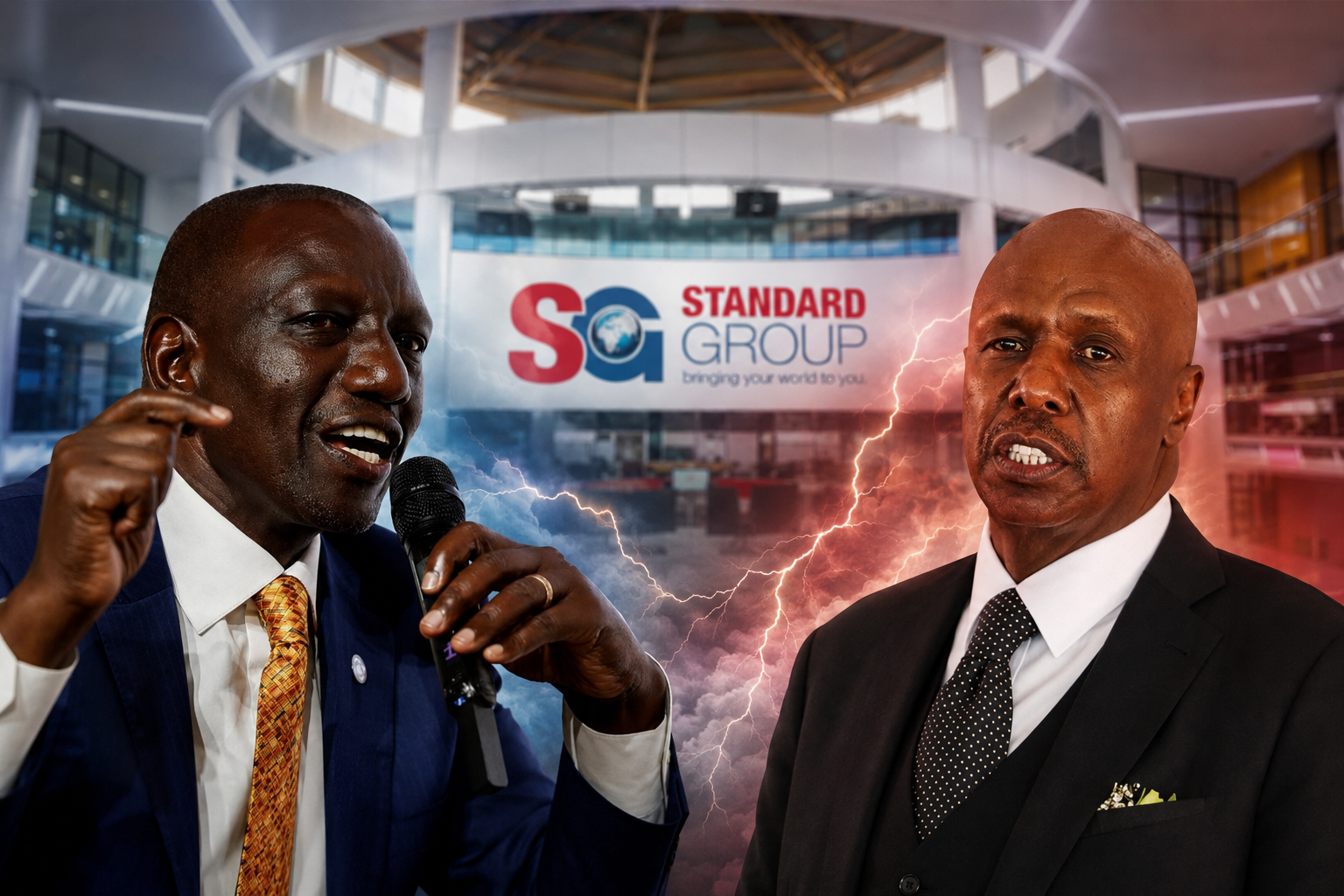
NAIROBI, Kenya — In a rare and fiery social media broadside, President William Ruto on Tuesday accused former Baringo Senator and KANU Chairman Gideon Moi of orchestrating a sustained campaign of “extortionist propaganda” through The Standard Media Group’s newspapers and KTN television stations.
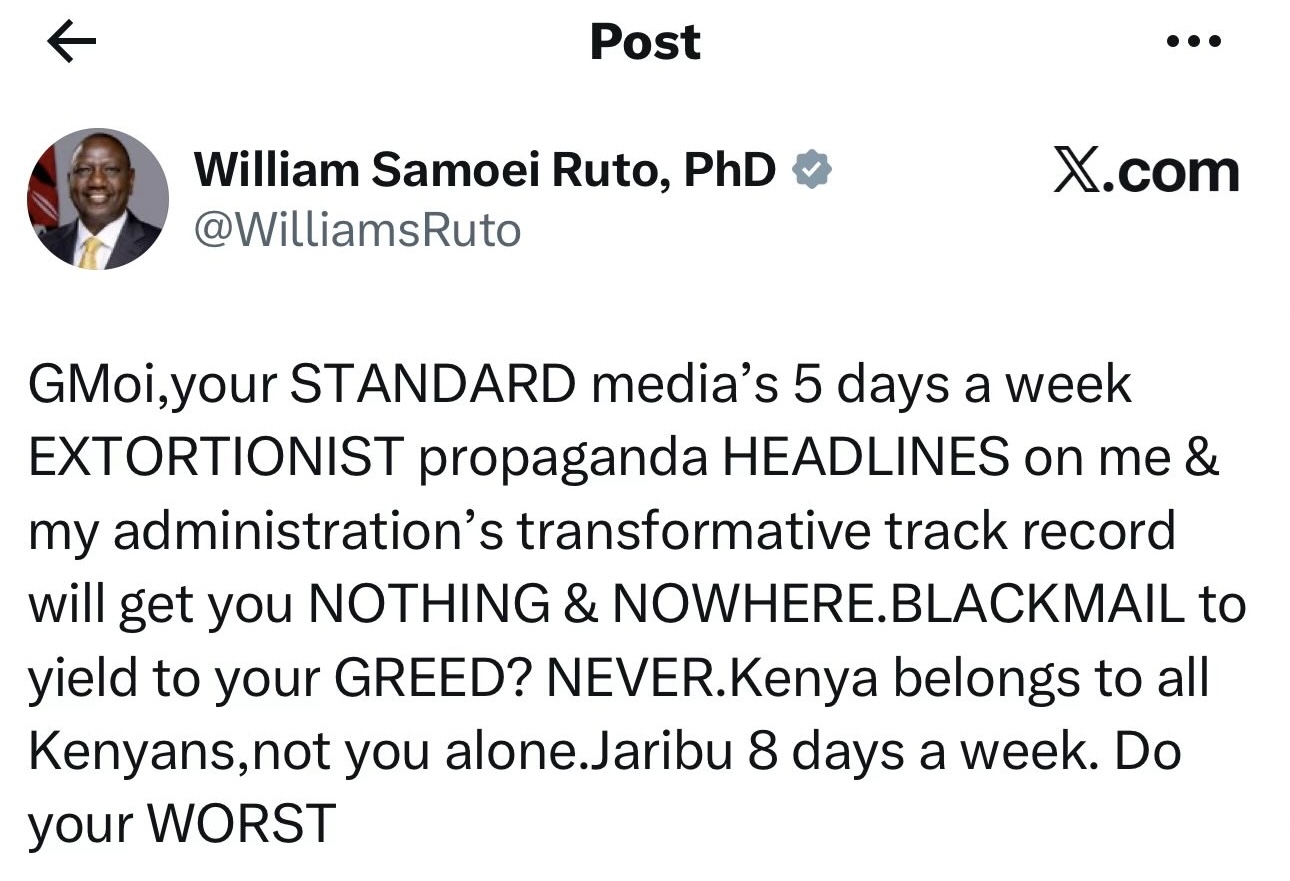
“GMoi, your STANDARD media’s 5 days a week EXTORTIONIST propaganda HEADLINES on me and my administration’s transformative track record will get you NOTHING and NOWHERE. BLACKMAIL to yield to your GREED? NEVER. Kenya belongs to all Kenyans, not you alone. Jaribu 8 days a week. Do your WORST,” Ruto posted on X.
The outburst has laid bare a deepening rift that has repeatedly swung between tentative reconciliation and open political warfare. At its core lies a bitter contest for supremacy in the Rift Valley, intertwined with the Moi family’s media influence and unresolved financial claims against the government.
Media Barrage Fueled by Debt and Discontent
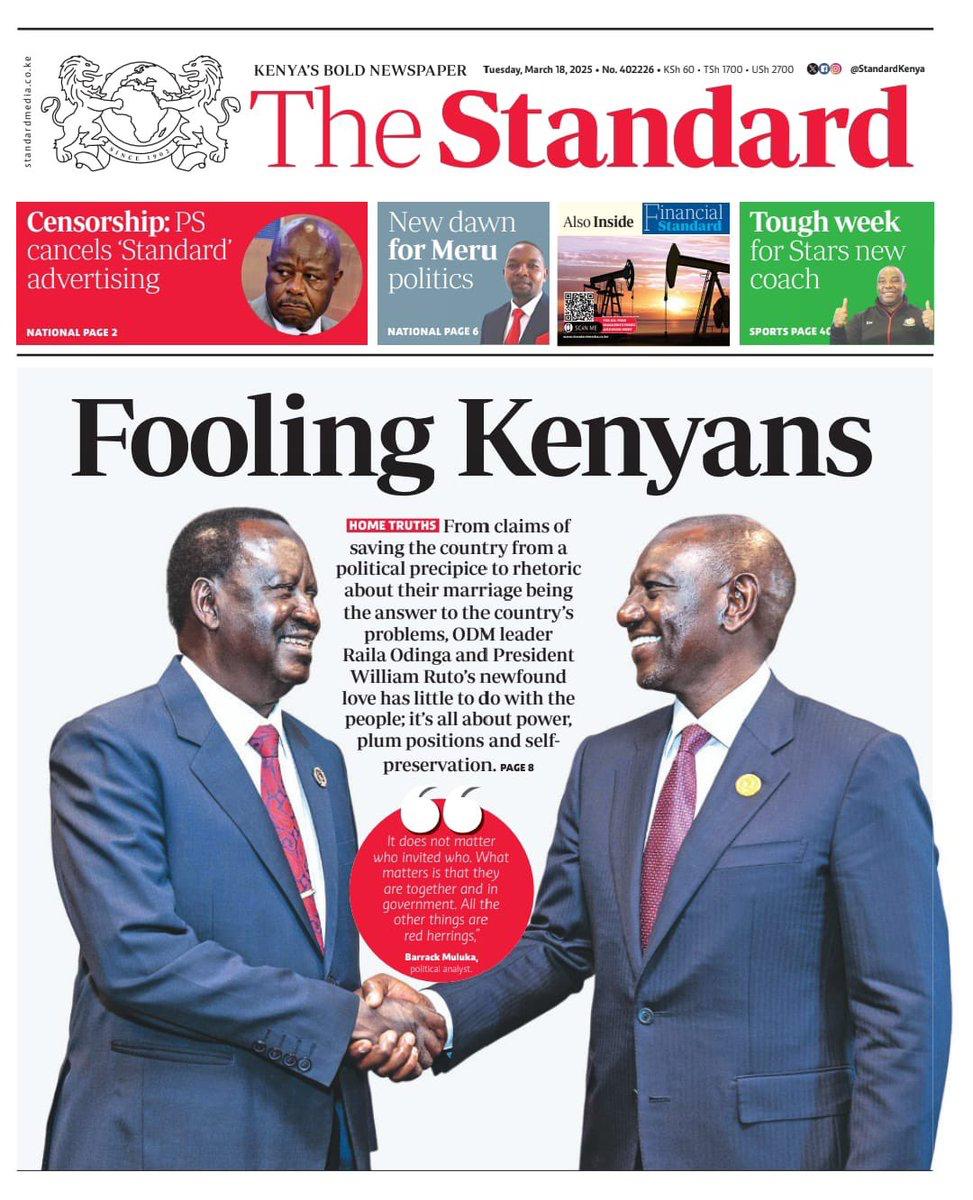
For weeks, The Standard and its sister stations KTN News and KTN Home have published near-daily critical reports questioning the Kenya Kwanza administration’s performance. Front-page stories have highlighted unfulfilled campaign promises on the Hustler Fund, spiraling public debt, rising fuel costs, and what the paper described as a “budget betrayal” involving a projected Sh1.146 trillion deficit. The coverage has portrayed the government as abandoning its pre-election commitments to fiscal discipline.
Standard Media Group has openly cited severe financial pressures. The company, long associated with the Moi family, claims that various government ministries, state corporations, and county governments owe it more than KSh 1.2 billion in advertising and media services.
In disputes with the Communications Authority of Kenya over broadcast licenses, the group has argued that settling these debts would enable it to meet its obligations and avoid regulatory threats, which it frames as intimidation.
Allies of the President view the coverage as something far more calculated. Figures such as Kapseret MP Oscar Sudi and UDA Secretary General Hassan Omar have accused Gideon Moi of deploying the media outlets as personal weapons to extract political and financial concessions. The intensification of negative headlines, they note, has coincided with the collapse of earlier political understandings.
A Rivalry Marked by Handshakes and Betrayals
The current clash forms the latest chapter in a long-standing rivalry. As Ruto rose through the ranks and built his own political machinery in the Rift Valley and beyond, he gradually overshadowed the traditional influence of the Moi family and KANU. Gideon Moi, political heir to the late President Daniel arap Moi, aligned with the opposition Azimio coalition in the 2022 elections, watching his party’s relevance diminish.
A surprising thaw emerged in October 2025.
After discreet meetings, including one at State House, Gideon Moi withdrew from the Baringo senatorial by-election, allowing UDA’s candidate to win unopposed. Insiders described an informal understanding, reportedly involving input from the late Raila Odinga, under which KANU would join a broad-based government arrangement.
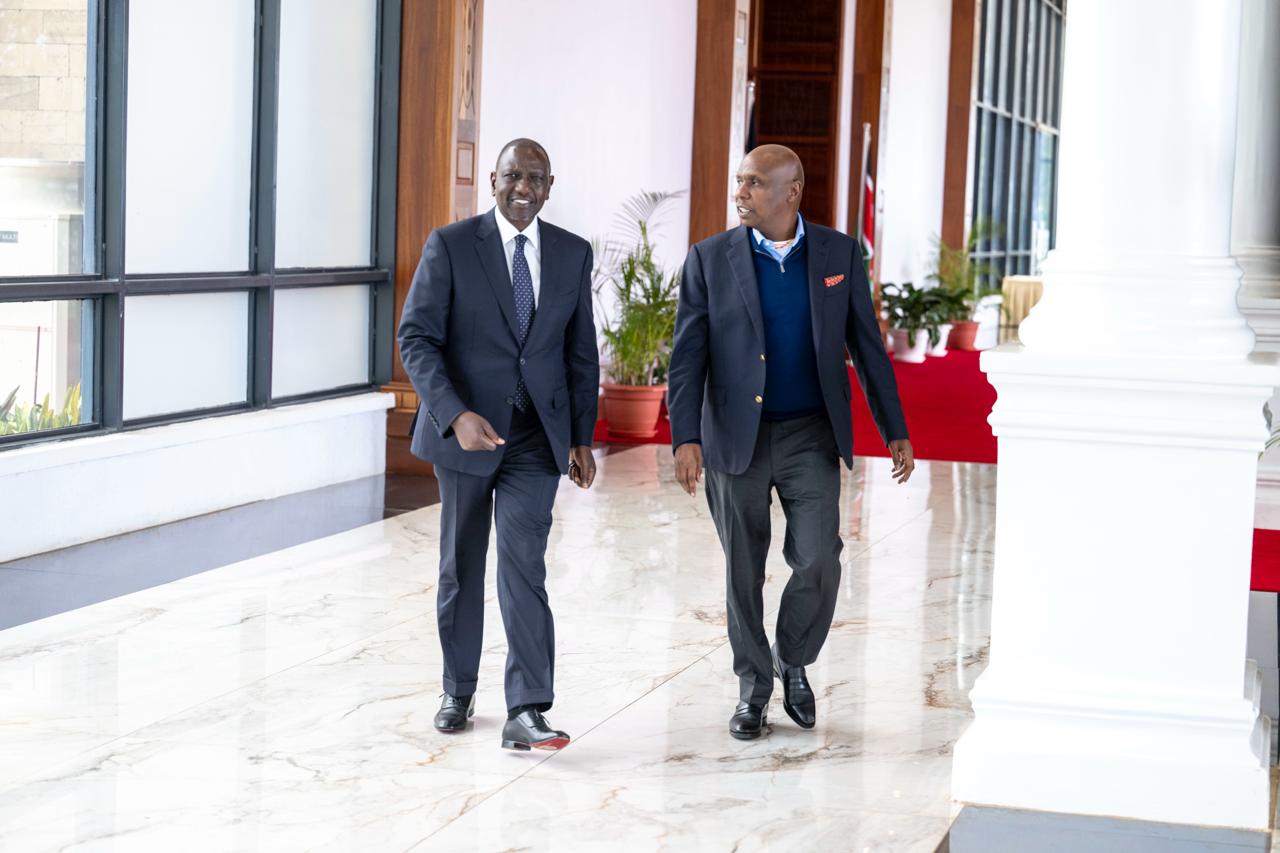
President William, together with Gideon Moi, at Statehouse Nairobi, on Thursday, October 9, 2025.
Discussions reportedly included Cabinet positions, principal secretary and ambassadorial appointments for Moi allies, and the settlement of nearly Sh3 billion in outstanding payments to Moi-linked companies for geothermal projects.
The agreement was never formalized in writing. By early 2026, however, KANU insiders were complaining that the deal had not been honored. Promised appointments failed to materialize at the expected pace, and the business debt settlements remained unresolved. Ruto’s administration shifted focus to strengthening UDA structures ahead of 2027 and managing internal coalition dynamics. To the disappointed Moi camp, the handshake appeared to have been a tactical delay rather than a genuine reset.
With the political channel closed, the media offensive resumed. Critical headlines intensified, regulatory pressure on KTN licenses mounted, and salaries at the media group faced delays. The Moi business interests once again felt the chill from State House.
Leverage, Power, and the Future of Rift Valley Politics
President Ruto’s latest post frames the coverage as “blackmail” driven by greed, part of a familiar pattern in which the Moi family allegedly uses its media assets to inflict damage when political inclusion or commercial settlements fall short. His supporters argue this is not standard journalism but calibrated pressure linked to the advertising debts, larger geothermal claims, and Gideon Moi’s desire for renewed relevance ahead of the next general election.
Gideon Moi and Standard Media Group have rejected these accusations, maintaining that their reporting serves the public interest by scrutinizing government performance. They insist that any regulatory actions represent retaliation against independent journalism and have vowed not to be silenced.
Ruto’s response was unequivocal: Kenya does not belong to any single individual or family, regardless of their political lineage. His administration’s achievements, he insists, will not be held hostage by headline warfare.
The exchange has once again exposed deep fault lines in Rift Valley politics. Ruto’s ascent to the presidency fundamentally altered the old patronage networks that once placed the Moi family at the center. Gideon Moi’s efforts to reclaim influence, first through opposition alignment, then a tactical handshake, and now sustained media pressure, reflect the same underlying struggle for control over the region’s political and economic levers.
As The Standard continues its relentless coverage and the President signals he will not yield, the public watches a high-stakes standoff. It raises broader questions about press independence, the reliability of unwritten political pacts, and whether Kenya’s old guard can still exert leverage over the new order through legacy media power.
Ruto has thrown down the gauntlet. The coming weeks and months will reveal whether the power of the headline can force the concessions that the President has sworn he will never grant.
Kenya Insights allows guest blogging, if you want to be published on Kenya’s most authoritative and accurate blog, have an expose, news TIPS, story angles, human interest stories, drop us an email on [email protected] or via Telegram


IEBC Sets August 10 Date For 2027 General Election

Furious Ruto Lashes Out at Gideon Moi Over Repeated ‘Blackmail, Extortionist’ Headlines on The Standard and KTN

Mombasa Gripped by ‘Male Organ Theft’ Panic as Social Media Fuels Mob Attacks and Fear

TOO MUCH PR, NOTHING TO SEE: How Gladys Wanga Built a Perfect Story of Transformation While Homa Bay Bled

Netanyahu Says Israel Must ‘Break Free from Dependence’ After Tensions With Trump Administration

Niger pulls Out Of International Criminal Court After Calling It Neo-Colonialist

Kenya Awards Sh154 Billion JKIA Upgrade Tender To Chinese Firm CRBC

The Untouchable: How KURA’s Silas Kinoti Has Survived A Decade Of Corruption Storms While Kenya’s Roads Bled

Fake Papers, Dirty Millions And The Analo Connect: How Kitisuru MCA Alvin Palapala Built a Shadow Empire Inside Nairobi’s Planning Machine

Migori Payment Row Deepens As Branding Firm Demands Sh3.8 Million Over Unpaid Piny Luo Festival Deal

Businessman Philip Waithaka Kinuthia’s Minor Son Allegedly Drove Drunk, Killed Two Peponi Students in Ngong Road Horror Crash as Claims of Cover-Up Intensify

Inside NCBA’s Decline: How a Banking Giant Lost Its Strategic Edge

South Sudan: Adut Salva Kiir’s Shadow Treasury Exposed

Cement, Cash and Courts: How the Hashu Dynasty Crushed the Ramji Brothers for Fourteen Years and Why the Walls Are Now Closing In

Standard Chartered Ghosts Haunt Joshua Oigara At Stanbic As Whistleblower Spills Beans

Inside The Urban Planning Cartel That Owns Nairobi

THE VULTURE AND THE SCHEME How Nairobi West Hospital Became the Most Dangerous Institution in Kenya’s SHA Ecosystem and Why the Books Must Be Audited Now

The President’s Daughter and The Missing Witness: How Adut Salva Kiir’s Shadow Treasury Silenced Its Most Dangerous Critic

How Adil Popat Saved His Empire On The Eve Of Imperial Bank Collapse and Why Kenya’s Mainstream Media Buried The Story

Why John Ngumi Is Running From the EACC and Why the Sh415 Million Payday May Be the Least of His Worries
-
 News1 week ago
Businessman Philip Waithaka Kinuthia’s Minor Son Allegedly Drove Drunk, Killed Two Peponi Students in Ngong Road Horror Crash as Claims of Cover-Up Intensify
-
 Africa2 weeks ago
South Sudan: Adut Salva Kiir’s Shadow Treasury Exposed
-
 Business2 weeks ago
Standard Chartered Ghosts Haunt Joshua Oigara At Stanbic As Whistleblower Spills Beans
-
 Investigations5 days ago
THE VULTURE AND THE SCHEME How Nairobi West Hospital Became the Most Dangerous Institution in Kenya’s SHA Ecosystem and Why the Books Must Be Audited Now
-
 Africa2 weeks ago
The President’s Daughter and The Missing Witness: How Adut Salva Kiir’s Shadow Treasury Silenced Its Most Dangerous Critic
-
 Business2 weeks ago
How Adil Popat Saved His Empire On The Eve Of Imperial Bank Collapse and Why Kenya’s Mainstream Media Buried The Story
-
 Business2 weeks ago
Why John Ngumi Is Running From the EACC and Why the Sh415 Million Payday May Be the Least of His Worries
-
 Business5 days ago
Inside the Billion-Shilling Betrayal: How Senior Treasury Officials Plundered a UN Poverty Fund and Built a Real Estate Empire on the Backs of Kenya’s Rural Poor