
News
MCK Pushes For Sh1.5 Billion AI Tool To Monitor Journalists

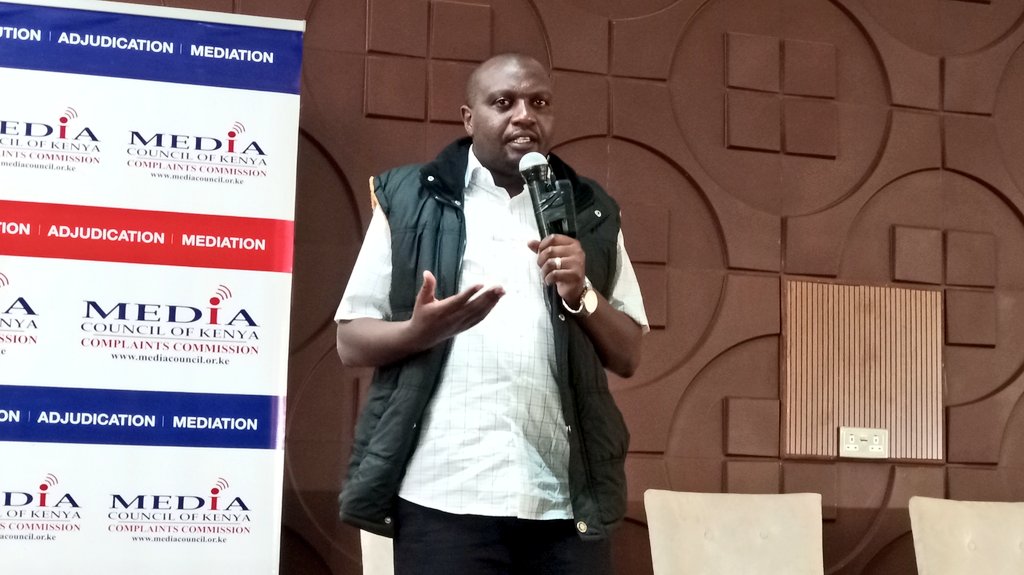
The Media Council of Kenya (MCK) is seeking Sh1.5 billion from Parliament to acquire an artificial intelligence-powered monitoring system that would strengthen ethical oversight in the media industry.
Appearing before the National Assembly’s Committee on Communication, Information and Innovation on Tuesday, MCK officials argued that the investment is necessary to modernise the council’s capacity and keep pace with Kenya’s rapidly expanding broadcast sector.
MCK Chief Executive Officer David Omwoyo told MPs that the country now has about 250 licensed television stations, many of them broadcasting in vernacular languages, making it difficult for the council’s human analysts to adequately monitor content.
“The current framework relies on 37 analysts, which is not sufficient to comprehensively cover the media landscape. This gap calls for urgent and strategic investment in an advanced system capable of real-time monitoring to safeguard ethical compliance,” Omwoyo said.
He explained that the proposed AI system would allow the council to flag unethical or harmful content instantly, particularly from vernacular stations that have historically evaded effective oversight.
The council also presented sobering statistics on press freedom violations this year, revealing that between January and September 2025, it had recorded 84 incidents. These included 56 cases of physical assault on journalists—mostly during anti-government protests and political events—16 cases of intimidation, eight of censorship, three arrests and one abduction.
Male journalists were disproportionately affected, with 65 cases compared to 19 involving female reporters. Police officers were cited as perpetrators in the majority of the violations (65), followed by hired gangs (28). Government officials, including Cabinet Secretaries and county officers, were linked to 15 incidents, while others involved protesters, teachers, politicians, a governor and even a magistrate.
Committee chair John Kiarie acknowledged the tension between press freedom and accountability, stressing the need for Parliament to craft laws that both protect journalists and shield the public from misinformation.
“The narratives shaping our world today are increasingly driven by algorithms and platforms outside traditional newsrooms. Parliament must strike a balance between protecting Kenyans from misinformation and upholding a free, responsible press,” Kiarie said.
The committee further resolved to work with MCK and the Centre for Parliamentary Studies and Training (CPST) to boost MPs’ media literacy ahead of the next elections, while also urging media houses to embrace digital transformation.
Kenya Insights allows guest blogging, if you want to be published on Kenya’s most authoritative and accurate blog, have an expose, news TIPS, story angles, human interest stories, drop us an email on [email protected] or via Telegram


Govt Confirms NYOTA Second Grant Disbursement Date

Untouchable? How Bitok’s History Has Been Riddled With Mega Scandals and Why The PS Has Become Ruto’s Unnecessary Baggage

Google Must Let UK Publishers Opt Out Of AI Search Under New Rules

Maraga’s 2027 Bid Hit by Explosive Sexual Harassment Claims as Former Insider Alleges Cover-Up and Victim Intimidation

Tanzanian President Visits Russia

Why PayPal Is Freezing Kenyan Accounts in Massive Crackdown

Inside Bharat Thakrar’s Plot for a Hostile Scangroup Takeover

The Man Who Thinks He Has Everyone Covered: Speaker Wetang’ula, CS Mudavadi and a Bribed Judge in Wamukota’s Corrupt Blueprint to Seize KETRACO

Yet Another Blow for Bia Tosha as Court Rejects Bid to Halt Diageo–Asahi Transaction

US to Slash Number of African Embassies Processing Visas from 50 to 20, Kenya Remains a Key Hub

Why Ruto’s Favourite Candidate Adan Mohammed Could Be Locked Out of the KRA Top Job

THE GREAT HOLLOWING: How James Mworia Extracted KES 750 Million While 33,000 Centum Shareholders Lost Everything

Este Medical Kenya Fights American’s Explosive Complaints

Safaricom’s Sh1.4 Billion Reckoning: How Kenya’s Most Profitable Company Stole a Man’s Idea and Got Caught

LifeCare on the Brink: SHA Fraud, Stolen Wages, and the Rotten Empire Jayesh Saini Built

The Rot Inside Absa: How Bank Insiders Are Looting Nairobi’s Customers

The $24 Million Heist at the End of the World

Denial Under Duress: The Untold Collapse Threatening David Lagat’s DL Group’s Empire

THE INSURER THAT TOOK YOUR PREMIUM AND FORGOT YOUR NAME: How ICEA Lion Left a Client Begging for Sh7.8 Million Across Four Months

Court Confirms Safaricom Customers Data Was Sold To Betting Companies In Seven-Year Cover-Up
-
 Business2 days ago
THE GREAT HOLLOWING: How James Mworia Extracted KES 750 Million While 33,000 Centum Shareholders Lost Everything
-
 News1 week ago
Este Medical Kenya Fights American’s Explosive Complaints
-
 Investigations1 week ago
LifeCare on the Brink: SHA Fraud, Stolen Wages, and the Rotten Empire Jayesh Saini Built
-
 Americas1 week ago
Inside FAFSA Fraud: How Kenyan Cybercriminals Siphoned Millions from America’s Sh12 Billion Student Loan System
-

 News6 days ago
Eight Students Arrested In Kenya After Suspected Deadly School Arson Attack
-

 Investigations3 days ago
Betika Faces DCI Probe, Directors Arrest and License Revocation Over Massive 29.5 Million Safaricom Customers’ Data Breach
-
 Investigations1 week ago
LSK On The Spot For Renewing Rogue Lawyer Dennis Onyango’s Licence Despite Mounting Evidence He Held Foreign Investors’ Millions Hostage
-
 News4 days ago
How Uhuru’s Deal With Obama In 2015 Paved Way For America’s Ebola Plan In Kenya