
News
EACC Appeals Rulling Allowing City Hall Employee To Keep Sh643.2M
In his judgment, Justice Nixon Sifuna stated that the Commission had failed to prove that Kanani had engaged in corruption.

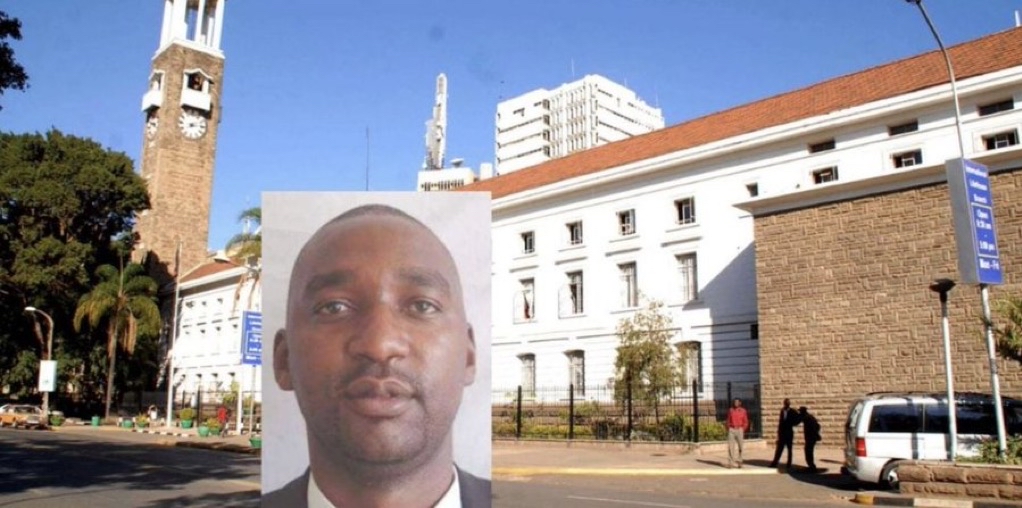
The Ethics and Anti-Corruption Commission (EACC) has filed a Notice of Appeal seeking to overturn a High Court Judgment delivered on Thursday.
The judgment allowed Wilson Nahashon Kanani, a junior City Hall employee, not to forfeit to the State his Sh643.2 million assets, which EACC had declared unexplained wealth.
In his judgment, Justice Nixon Sifuna stated that the Commission had failed to prove that Kanani had engaged in corruption.
He added that Kanani had satisfactorily explained how the impugned assets and funds were acquired without corruption.
The commission wanted the Court to order forfeiture to the government for allegedly being proceeds of corruption.
In a Notice of Appeal filed on Friday, EACC says that it is dissatisfied with the judgment and decree of the High Court and wants the Court of Appeal to set them aside.
“Take notice that the Ethics and Anti-Corruption Commission is dissatisfied with the judgement and Decree of the High Court Anti-Corruption Court at Nairobi (Nixon Sifuna J.) given on November 7, 2024, in originating summons no. E022 of 2023, intends to appeal to the Court of Appeal against the whole of the said decision,” the notice reads.
EACC Spokesperson Eric Ngumbi said the Commission considers the judgment a step backwards in the fight against corruption and that allowing it to stand will set a bad judicial precedent.
“With tremendous respect, we disagree with the High Court Judge in this matter and we will be challenging the entire decision at the Court of Appeal to overturn the whole judgment,” Ngumbi said.
He said the judgment reversed the current jurisprudence and legal position regarding the burden of proof in asset forfeiture cases, removing the legal burden from graft suspects unable to explain the sources of their wealth.
“The current legal position as affirmed by the Supreme Court is that where a person is unable to explain to EACC how they acquired their assets, the burden of proof shifts to them to demonstrate that the assets were not acquired through corruption,” he said.
“When they fail to discharge this burden, the assets are deemed to be proceeds of corruption whereupon the High Court issues orders for their forfeiture to the State.”
He stated that the rationale of vesting the burden of proof on the person claiming ownership of assets is that they are the ones with the knowledge and information on how they got the assets and no one should have any challenge accounting for what they claim to legally own.
Kenya Insights allows guest blogging, if you want to be published on Kenya’s most authoritative and accurate blog, have an expose, news TIPS, story angles, human interest stories, drop us an email on [email protected] or via Telegram














Migori Payment Row Deepens As Branding Firm Demands Sh3.8 Million Over Unpaid Piny Luo Festival Deal

Utumishi Girls Fire Suspects To Be Charged With Murder

Putin Says Russia Ready For Peace Talks With Ukraine Based on Anchorage, Istanbul Agreements

South Sudanese Must Give Adut Salva Kiir The Benefit Of The Doubt

Kenya Stops Work At The US-Linked Ebola Facility

‘The Polygamist’ Pirated Book Go On Sale in Nairobi Following Show Popularity

Justice Mong’are, the Machakos Injunction and the EABL-Asahi Questions Kenya Cannot Ignore

The EABL–Asahi Deal and the Growing Demand for Judicial Transparency

Samburu Governor Lati Lelelit Exposed For Paying Sh60 Million To Ghost Workers

THE GHOST AT ELYSEE PLAZA: How Ghanaian Businessman Erick Agbeko Built a Two-Decade Empire of Land Fraud in Kenya

Businessman Philip Waithaka Kinuthia’s Minor Son Allegedly Drove Drunk, Killed Two Peponi Students in Ngong Road Horror Crash as Claims of Cover-Up Intensify

Inside NCBA’s Decline: How a Banking Giant Lost Its Strategic Edge

South Sudan: Adut Salva Kiir’s Shadow Treasury Exposed

Cement, Cash and Courts: How the Hashu Dynasty Crushed the Ramji Brothers for Fourteen Years and Why the Walls Are Now Closing In

Standard Chartered Ghosts Haunt Joshua Oigara At Stanbic As Whistleblower Spills Beans

Inside The Urban Planning Cartel That Owns Nairobi

THE VULTURE AND THE SCHEME How Nairobi West Hospital Became the Most Dangerous Institution in Kenya’s SHA Ecosystem and Why the Books Must Be Audited Now

The President’s Daughter and The Missing Witness: How Adut Salva Kiir’s Shadow Treasury Silenced Its Most Dangerous Critic

How Adil Popat Saved His Empire On The Eve Of Imperial Bank Collapse and Why Kenya’s Mainstream Media Buried The Story

Why John Ngumi Is Running From the EACC and Why the Sh415 Million Payday May Be the Least of His Worries
-
 News1 week ago
Businessman Philip Waithaka Kinuthia’s Minor Son Allegedly Drove Drunk, Killed Two Peponi Students in Ngong Road Horror Crash as Claims of Cover-Up Intensify
-
 Business2 weeks ago
Inside NCBA’s Decline: How a Banking Giant Lost Its Strategic Edge
-
 Africa2 weeks ago
South Sudan: Adut Salva Kiir’s Shadow Treasury Exposed
-
 Business2 weeks ago
Standard Chartered Ghosts Haunt Joshua Oigara At Stanbic As Whistleblower Spills Beans
-
 Investigations5 days ago
THE VULTURE AND THE SCHEME How Nairobi West Hospital Became the Most Dangerous Institution in Kenya’s SHA Ecosystem and Why the Books Must Be Audited Now
-
 Africa2 weeks ago
The President’s Daughter and The Missing Witness: How Adut Salva Kiir’s Shadow Treasury Silenced Its Most Dangerous Critic
-
 Business2 weeks ago
How Adil Popat Saved His Empire On The Eve Of Imperial Bank Collapse and Why Kenya’s Mainstream Media Buried The Story
-
 Business2 weeks ago
Why John Ngumi Is Running From the EACC and Why the Sh415 Million Payday May Be the Least of His Worries