
Economy
World Bank Wants Low-Income Workers in Kenya Exempted From Paying Housing Levy and SHIF
For a worker earning Sh30,000 monthly, the World Bank’s proposed exemption would increase net pay by Sh956.25, bringing take-home earnings to Sh27,150 from the current Sh26,193.75.

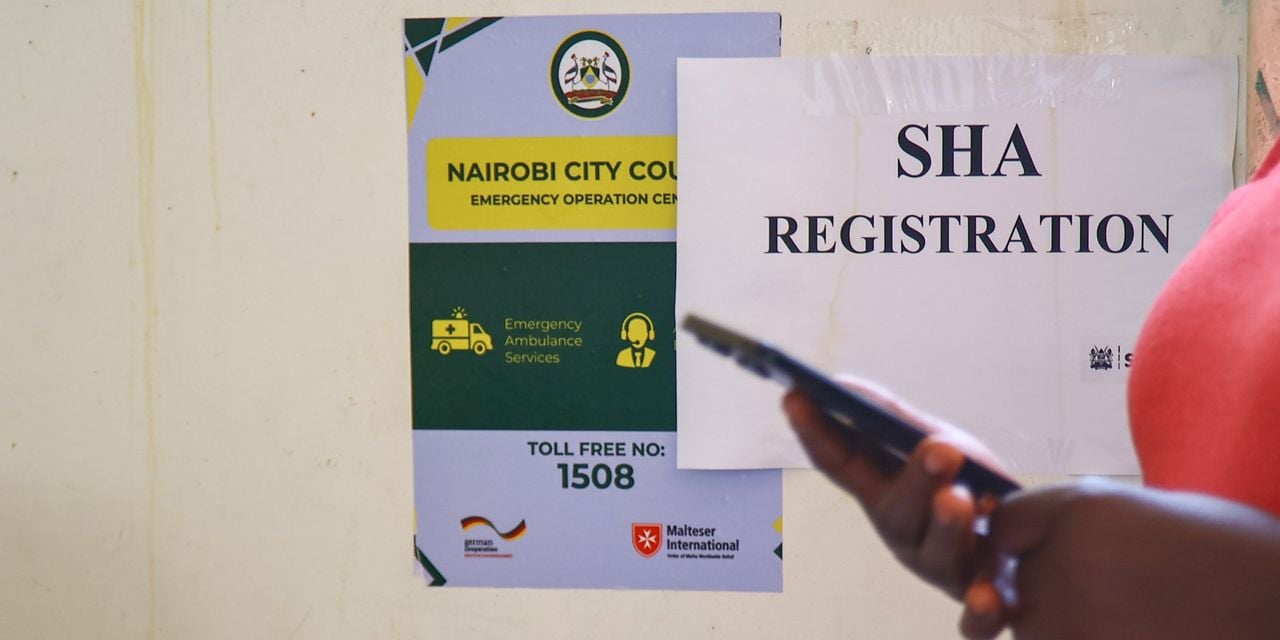
Nairobi – The World Bank has recommended that Kenya exempt low-income workers earning below Sh32,333 monthly from the controversial housing levy and Social Health Insurance Fund (SHIF) contributions, citing concerns over reduced disposable incomes and employment formalization barriers.
In its 2025 Public Finance Review report, the multilateral lender argues that these “unpopular” levies are creating significant financial strain on Kenya’s most vulnerable workers while potentially discouraging formal sector employment.
The recommendation comes as thousands of Kenyan workers have seen their take-home pay drastically reduced since the introduction of these mandatory deductions.
Workers now face a combined burden of 1.5% housing levy (matched by employers) and 2.75% SHIF contributions, resulting in some employees taking home less than the legally mandated one-third of their gross salary.
For a worker earning Sh30,000 monthly, the World Bank’s proposed exemption would increase net pay by Sh956.25, bringing take-home earnings to Sh27,150 from the current Sh26,193.75.
The exemption would directly benefit approximately 312,018 formal sector workers earning below Sh30,000 monthly – representing 10% of Kenya’s 3.1 million formal sector workforce.
Economic rationale
The World Bank’s recommendation is grounded in broader economic concerns about Kenya’s labor market dynamics.
The institution argues that the current payroll tax structure creates a “structural contradiction” – SHIF depends on employment formalization for sustainability, yet the levy itself discourages businesses from formalizing low-wage positions.
“The payroll tax design discourages formalization, particularly for low-wage workers and small employers who face higher costs when joining the formal sector,” the report states.
This creates particular challenges in Kenya’s predominantly informal economy, where most workers in the informal sector are mandated to contribute to SHIF but largely fail to comply.
Employers are facing mounting compliance pressures under Kenya’s Employment Act of 2007, which prohibits deductions exceeding two-thirds of a worker’s basic pay.
The Federation of Kenya Employers has repeatedly sought government guidance on managing multiple deductions while remaining within legal limits, particularly when existing loan obligations are factored in.
The situation has created what employers describe as a “compliance headache,” with companies potentially facing legal action for violating statutory take-home pay requirements.
The World Bank’s recommendations emerge against a backdrop of declining real wages for five consecutive years, reflecting the ongoing squeeze from rising living costs on Kenyan workers.
The housing levy, implemented in June 2023, and SHIF, which replaced the National Health Insurance Fund in October 2024, represent significant policy shifts toward funding affordable housing and universal healthcare.
However, the multilateral lender suggests these goals could be better achieved through alternative funding mechanisms, including increased budget support for health services and targeted assistance for informal workers.
Government position
President William Ruto has consistently defended both levies as essential for delivering affordable housing and universal health coverage.
The administration views these deductions as critical components of its development agenda, despite widespread public resistance.
The World Bank’s recommendations now present the government with a policy dilemma: maintaining revenue streams for key social programs while addressing legitimate concerns about worker welfare and employment formalization.
If implemented, the World Bank’s recommendations would require significant policy adjustments, including alternative funding mechanisms for housing and health programs currently dependent on payroll deductions.
The proposals also align with broader discussions about tax policy reform and the balance between revenue generation and economic growth incentives.
For Kenya’s low-income workers, who have borne the brunt of multiple economic pressures, the World Bank’s intervention represents a potential lifeline in an increasingly challenging economic environment.
However, the ultimate decision rests with policymakers balancing competing priorities of social service delivery and worker welfare.
The recommendation underscores the complex challenge facing many developing economies: funding essential social services while maintaining competitive labor markets and protecting vulnerable workers from excessive financial burdens.
Kenya Insights allows guest blogging, if you want to be published on Kenya’s most authoritative and accurate blog, have an expose, news TIPS, story angles, human interest stories, drop us an email on [email protected] or via Telegram












Furious Ruto Lashes Out at Gideon Moi Over Repeated ‘Blackmail, Extortionist’ Headlines on The Standard and KTN

Mombasa Gripped by ‘Male Organ Theft’ Panic as Social Media Fuels Mob Attacks and Fear

TOO MUCH PR, NOTHING TO SEE: How Gladys Wanga Built a Perfect Story of Transformation While Homa Bay Bled

Netanyahu Says Israel Must ‘Break Free from Dependence’ After Tensions With Trump Administration

Niger pulls Out Of International Criminal Court After Calling It Neo-Colonialist

Kenya Awards Sh154 Billion JKIA Upgrade Tender To Chinese Firm CRBC

The Untouchable: How KURA’s Silas Kinoti Has Survived A Decade Of Corruption Storms While Kenya’s Roads Bled

Fake Papers, Dirty Millions And The Analo Connect: How Kitisuru MCA Alvin Palapala Built a Shadow Empire Inside Nairobi’s Planning Machine

Migori Payment Row Deepens As Branding Firm Demands Sh3.8 Million Over Unpaid Piny Luo Festival Deal

Utumishi Girls Fire Suspects To Be Charged With Murder

Businessman Philip Waithaka Kinuthia’s Minor Son Allegedly Drove Drunk, Killed Two Peponi Students in Ngong Road Horror Crash as Claims of Cover-Up Intensify

Inside NCBA’s Decline: How a Banking Giant Lost Its Strategic Edge

South Sudan: Adut Salva Kiir’s Shadow Treasury Exposed

Cement, Cash and Courts: How the Hashu Dynasty Crushed the Ramji Brothers for Fourteen Years and Why the Walls Are Now Closing In

Standard Chartered Ghosts Haunt Joshua Oigara At Stanbic As Whistleblower Spills Beans

Inside The Urban Planning Cartel That Owns Nairobi

THE VULTURE AND THE SCHEME How Nairobi West Hospital Became the Most Dangerous Institution in Kenya’s SHA Ecosystem and Why the Books Must Be Audited Now

The President’s Daughter and The Missing Witness: How Adut Salva Kiir’s Shadow Treasury Silenced Its Most Dangerous Critic

How Adil Popat Saved His Empire On The Eve Of Imperial Bank Collapse and Why Kenya’s Mainstream Media Buried The Story

Why John Ngumi Is Running From the EACC and Why the Sh415 Million Payday May Be the Least of His Worries
-
 News1 week ago
Businessman Philip Waithaka Kinuthia’s Minor Son Allegedly Drove Drunk, Killed Two Peponi Students in Ngong Road Horror Crash as Claims of Cover-Up Intensify
-
 Africa2 weeks ago
South Sudan: Adut Salva Kiir’s Shadow Treasury Exposed
-
 Business2 weeks ago
Standard Chartered Ghosts Haunt Joshua Oigara At Stanbic As Whistleblower Spills Beans
-
 Investigations5 days ago
THE VULTURE AND THE SCHEME How Nairobi West Hospital Became the Most Dangerous Institution in Kenya’s SHA Ecosystem and Why the Books Must Be Audited Now
-
 Africa2 weeks ago
The President’s Daughter and The Missing Witness: How Adut Salva Kiir’s Shadow Treasury Silenced Its Most Dangerous Critic
-
 Business2 weeks ago
How Adil Popat Saved His Empire On The Eve Of Imperial Bank Collapse and Why Kenya’s Mainstream Media Buried The Story
-
 Business2 weeks ago
Why John Ngumi Is Running From the EACC and Why the Sh415 Million Payday May Be the Least of His Worries
-

 Business5 days ago
Inside the Billion-Shilling Betrayal: How Senior Treasury Officials Plundered a UN Poverty Fund and Built a Real Estate Empire on the Backs of Kenya’s Rural Poor