
Business
Sh6 Billion NOC-Rubis Deal Under Scrutiny

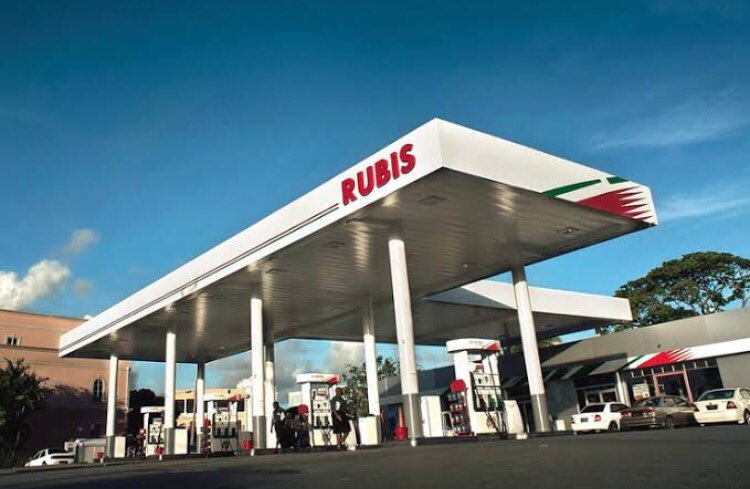
Lawmakers have launched an investigation into the proposed Sh6 billion deal between the National Oil Corporation (NOC) and French energy giant Rubis Energies Kenya (REK), which would see Rubis take over the state agency’s operations as a non-equity strategic partner.
The deal, aimed at revitalizing NOC’s struggling downstream business, has raised eyebrows among members of the Energy Committee, who are demanding transparency and accountability.
During a tense meeting with NOC officials, Energy Committee members, led by Nyatike MP Tom Odege, directed the corporation to convene a retreat within two weeks to discuss the deal with all stakeholders, including the Attorney General and Rubis representatives.
“We are asking NOC and all the companies under them to organize a retreat in the next two weeks so that we can discuss this matter. We also want the Attorney General to be present in the meeting so that we can know everything,” Odege stated.
Committee Vice Chairperson and Narok East MP Lemanken Aramat echoed these concerns, emphasizing the gravity of the issue. “The issues with this contract are very weighty and cannot be discussed in one meeting. We need a retreat where all the parties can attend, and we are able to get details,” Aramat said.
The probe comes after NOC CEO Leparan ole Morintat tabled documents outlining the partnership, which would see Rubis inject Sh6 billion into NOC for capital expenditure, including the renovation and expansion of retail stations, and working capital to finance stocks. The deal, structured as an eight-year non-equity partnership renewable once, aims to boost NOC’s profitability and market share through enhanced sales, modernized infrastructure, and improved internal controls.
According to the documents, Rubis will also deploy a fully encrypted enterprise resource planning (ERP) system and implement staff training and exchange programs to foster operational excellence.
Morintat clarified that the partnership aligns with a Cabinet decision to revive and commercialize NOC, emphasizing that the deal does not equate to privatization. “The Cabinet approved the onboarding of a strategic partner on a profit-sharing basis and NOT the privatization of the corporation,” he stated.
However, the deal has been overshadowed by NOC’s dire financial situation.
The corporation’s total debt stands at Sh7.98 billion, including Sh5 billion owed to Kenya Commercial Bank (KCB) and Stanbic Bank. NOC reported a cumulative loss of Sh6.7 billion in the 2022/23 financial year, with shareholder equity eroded to negative Sh2.6 billion.
Kenya Insights allows guest blogging, if you want to be published on Kenya’s most authoritative and accurate blog, have an expose, news TIPS, story angles, human interest stories, drop us an email on [email protected] or via Telegram


Fraud, Misrepresentation and A Decade Of Evasion: How Indo Africa Finance Pocketed Sh150 Million Youth Funds and Fought To Keep Every Cent

Kenya Picks Chinese Firm For Sh375 Billion JKIA Upgrade Project After Adani Fallout

The President’s Daughter and The Missing Witness: How Adut Salva Kiir’s Shadow Treasury Silenced Its Most Dangerous Critic

Kisii Under Siege: Governor Arati’s Wife Accused of Hijacking IFMIS and Running a Parallel Government

Al-Shabaab Issues Statement Defending Omar Artan, Accuses U.S. of Discrimination After Referee’s Deportation

Netanyahu To Run For Re-Election, His Party Says, After Trump Raises Doubts

US Cracks Down on Birth Tourism Schemes

Microsoft Limits Employee Use Of Anthropic’s Claude Fable 5 Over Data Retention Concerns, The Verge Reports

Standard Chartered Ghosts Haunt Joshua Oigara At Stanbic As Whistleblower Spills Beans

Caleb Amisi Says Linda Mwananchi Has Lost Direction, Announces Plans To Form A New Movement

Cement, Cash and Courts: How the Hashu Dynasty Crushed the Ramji Brothers for Fourteen Years and Why the Walls Are Now Closing In

Inside The Urban Planning Cartel That Owns Nairobi

Why Ruto’s Favourite Candidate Adan Mohammed Could Be Locked Out of the KRA Top Job

LifeCare on the Brink: SHA Fraud, Stolen Wages, and the Rotten Empire Jayesh Saini Built

Betika Faces DCI Probe, Directors Arrest and License Revocation Over Massive 29.5 Million Safaricom Customers’ Data Breach

Este Medical Kenya Fights American’s Explosive Complaints

The Rot Inside Absa: How Bank Insiders Are Looting Nairobi’s Customers

Fresh Move Launched to Remove Kenya Railways MD Mainga From Office After Awarding Sh817 Million Consultancy Contract

Inside FAFSA Fraud: How Kenyan Cybercriminals Siphoned Millions from America’s Sh12 Billion Student Loan System

Court Confirms Safaricom Customers Data Was Sold To Betting Companies In Seven-Year Cover-Up
-
 Investigations7 days ago
Cement, Cash and Courts: How the Hashu Dynasty Crushed the Ramji Brothers for Fourteen Years and Why the Walls Are Now Closing In
-
 Investigations5 days ago
Inside The Urban Planning Cartel That Owns Nairobi
-
 Investigations1 week ago
Betika Faces DCI Probe, Directors Arrest and License Revocation Over Massive 29.5 Million Safaricom Customers’ Data Breach
-
 Investigations7 days ago
Fresh Move Launched to Remove Kenya Railways MD Mainga From Office After Awarding Sh817 Million Consultancy Contract
-

 News2 weeks ago
Eight Students Arrested In Kenya After Suspected Deadly School Arson Attack
-
 News2 weeks ago
How Uhuru’s Deal With Obama In 2015 Paved Way For America’s Ebola Plan In Kenya
-

 Business1 week ago
TRUST BETRAYED: How Senior DTB Bank Insiders Allegedly Looted Sh149 Million From a Customer’s Account Over Five Years
-
 Investigations5 days ago
Why Drivers Cheered Bolt’s Reported Exit: Inside the Slow Financial Strangulation of Thousands of Kenyan Drivers and Riders in Kenya