
NAIROBI — For a transaction Diageo Plc had hoped to wrap up quietly, the sale of its 65 percent stake in East African Breweries Plc to Japan’s Asahi Group Holdings has instead become the most litigated corporate divestment in Kenya’s recent memory. And on July 22, the newest blow landed not from a courtroom battling over shareholder rights or competition law, but from a construction dispute over a brewery expansion in Kisumu that Diageo’s lawyers had hoped would stay sealed.
High Court Judge Francis Gikonyo has lifted conservatory orders that, since December 2024, kept a multi-billion-shilling arbitration award between Kenya Breweries Limited (KBL) and contractor Jilk Construction Company Ltd locked away from public view even after the arbitration itself had concluded.
The judge ruled that indefinite secrecy “may not be an act of promoting arbitration and party autonomy,” clearing the way for the award’s findings, and the allegations of corruption that shadow them, to spill into the open at the worst possible moment for Diageo’s exit.
A SH163 MILLION CLAIM THAT GREW FIFTEENFOLD
The dispute traces to Project Nafasi, KBL’s 2017–2019 civil works expansion of its Kisumu brewery, once billed as one of the largest private investments in western Kenya since independence, promising to fold more than 15,000 sorghum farmers into the brewer’s supply chain.
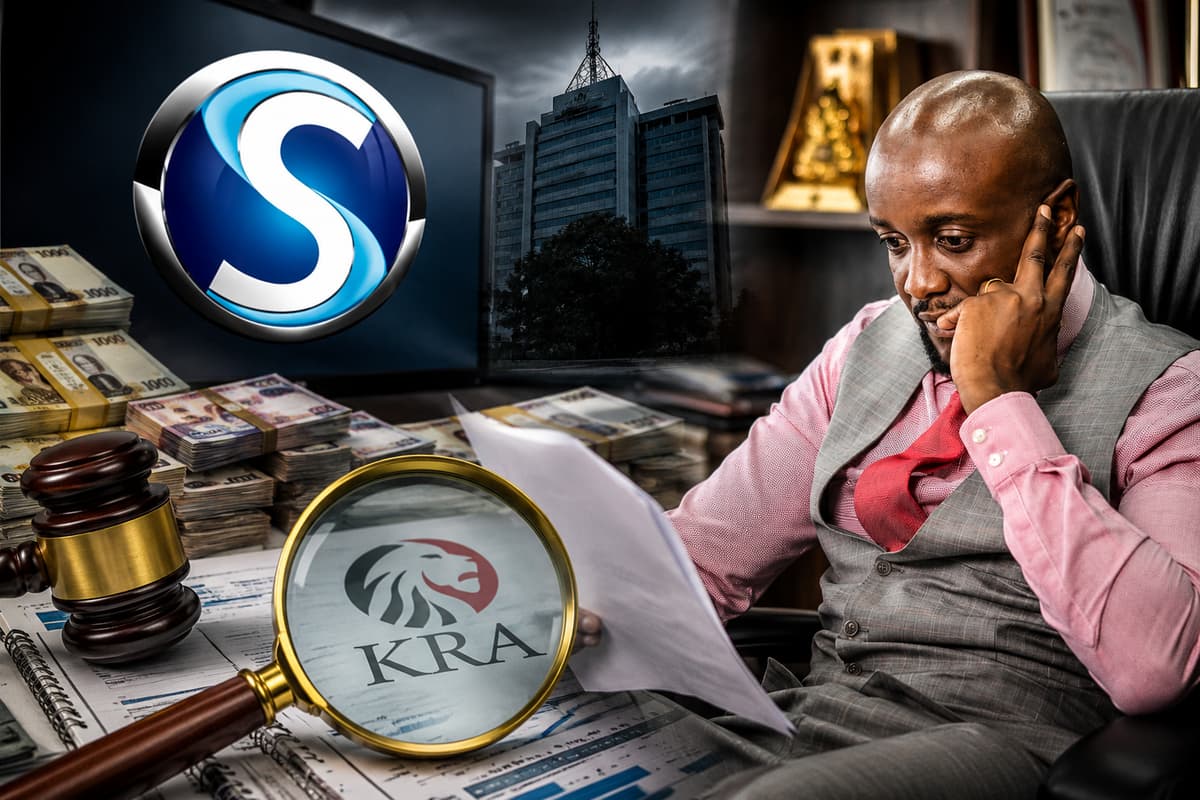
Jilk walked off site in November 2019 after collecting roughly Sh1.2 billion against a disputed final invoice of Sh163 million. By the time arbitration concluded, that figure had metastasised into a claim exceeding Sh2.4 billion a jump KBL calls engineered, not earned.
KBL’s case rests on a 2022 whistleblower report alleging that arbitrator Mutinda Mutuku, a quantity surveyor, colluded with Jilk’s leadership including managing director Sammy Maina Kamau to inflate the award, allegedly receiving payments while proceedings were still live.
Reporting on the dispute has cited claims that the Directorate of Criminal Investigations traced two payments, of roughly KSh174,000 and KSh150,000, from Jilk to the arbitrator, and that call-log records obtained under court order showed frequent contact between Mutuku, Kamau and a junior counsel on the case. Jilk has dismissed the whistleblower report as fabricated, insisting the award was reached lawfully and accusing KBL of using the allegations and now the Asahi sale to dodge a debt it owes.
What Kenya Insights understands, and what almost no other outlet has been willing to print: buried inside the same case file sits an unresolved allegation that KBL executives helped a foreign employee accused of sexual harassment leave the country before investigators could act.
THE STORY NOBODY WANTED TO TOUCH
Beyond the inflated invoice, one strand of the Jilk dispute has barely surfaced in Kenya’s mainstream press.
In filings and a letter to the Director of Public Prosecutions, Kamau has alleged that KBL’s top leadership facilitated the exit of an expatriate manager, identified in court papers only by surname, after harassment complaints were lodged against him and that when Jilk refused to drop the matter, the brewer turned to litigation to punish the contractor instead.
KBL has pushed back, noting the complaint surfaced only after the employee had already left Kenya.
Neither claim has been tested by a court, but the allegation that a multinational’s local leadership may have shielded an executive from a harassment probe inside a company simultaneously trying to exit the country cleanly is precisely the kind of detail that tends to vanish from coverage reliant on that same multinational’s advertising spend. It remains unproven. It also remains unexamined, and that silence is itself worth noting.
A DEAL ALREADY UNDER SIEGE
The Jilk affair is only the latest front. Since Diageo and Asahi announced the roughly Sh340 billion ($2.3 billion) transaction in December 2025 covering Diageo’s 65 percent EABL stake and its 53.7 percent holding in spirits distributor UDV Kenya at least five separate petitioners have tried to derail, delay or ransom the sale.
Beer entrepreneur Peter Burugu Gachuru’s minority-shareholder challenge was dismissed in April.
Distributor Bia Tosha’s attempt, rooted in a long-running territorial dispute, was struck out in April and is now on appeal, with the Capital Markets Authority and Competition Authority of Kenya dragged in as respondents. Shane Ngechu Irungu and 337 Frontier Capital’s challenge over the 2022–2023 tender offer was declined on June 22. Jilk’s own bid for an injunction was thrown out by Justice Gregory Mutai on June 18, on the grounds that a construction grievance has nothing to do with a share sale.
Then, hours after that Jilk defeat and on the very same day, a little-known petitioner named Christine Irungu filed an entirely fresh constitutional petition not in Nairobi, but in Machakos.
Justice Josephine Mongare granted her ex parte conservatory orders within hours, freezing the ownership and control status quo at EABL and barring the Competition Authority from ratifying anything, pending a hearing that has since dragged on past its original July 2 date.
Irungu’s petition alleges that minority shareholders were kept in the dark when Diageo quietly built its stake from roughly 50 to 65 percent through a 2022–2023 tender offer, before turning around to sell that same enlarged stake to Asahi.
EABL’s own lawyers have cried foul, telling Chief Justice Martha Koome in a June 23 letter that litigants who lost repeatedly in Nairobi appear to be forum-shopping their way to a friendlier bench in Machakos, and warning that dueling orders from courts of equal standing are corroding investor confidence in Kenya’s judiciary.
The brewer wants all Asahi-related litigation consolidated before a single commercial bench. The Chief Justice’s office has confirmed the competing requests are under consideration but has not yet acted.
WHO BENEFITS FROM THE DELAY
It is not only aggrieved contractors and minority shareholders circling the transaction. Industry watchers have flagged that Heineken, through its Kenya Wine Agencies Limited subsidiary, has separately been lobbying the Competition Authority over EABL’s roughly 75 percent share of the domestic beer market a dominance the regulator must weigh regardless of who eventually owns the company. Every month the deal stays tied up in court is a month a rival brewer gets to keep making that argument.
THE MONEY ON THE TABLE
The stakes go well beyond any single lawsuit. The National Treasury is counting on an estimated Sh42 billion in capital gains tax once the transfer completes. EABL had told investors it expected to close in the second half of 2026; Jilk’s own court filings had pointed to a Diageo exit deadline as early as July 31. Every week the litigation drags on pushes that timeline further out of reach, and every new filing gives Asahi’s advisers fresh reason to comb through KBL’s contractual history before signing off on a deal that was supposed to be a clean handover.
Justice Gikonyo’s ruling does not resolve the Jilk dispute KBL’s constitutional petition alleging bias and corruption in the arbitration still has to be heard on its merits, and the criminal complaints referred to the DCI remain open.
What it does is strip away the last piece of cover that had kept the ugliest allegations in the case out of public reach. Combined with the still-unresolved Machakos injunction, EABL’s unanswered plea to the Chief Justice, and a harassment-cover-up allegation that has barely made it into print, Diageo’s exit from Kenya looks less like a formality and more like a gauntlet one the multinational will have to run in full public view, with the country watching every step.
The hearing continues.







Comments