
Politics
Mudavadi on Why Kenya Remained ‘Silent’ in Tanzanian Detention Row

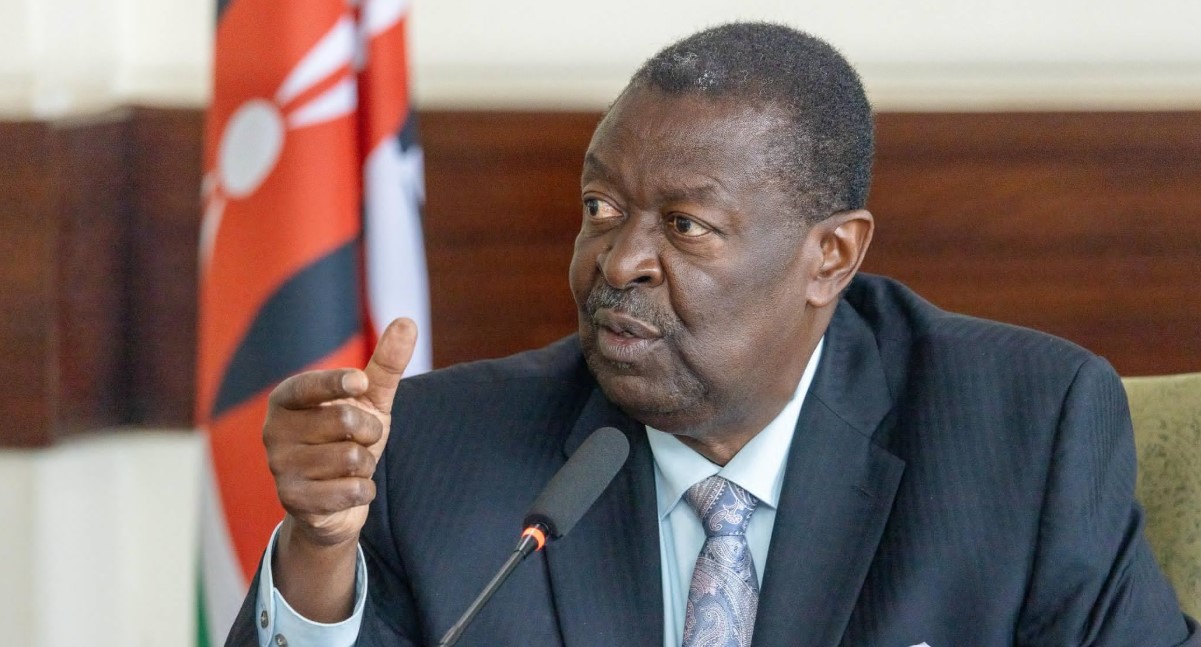
Kenya’s Prime Cabinet Secretary Musalia Mudavadi has defended the government’s measured response to the detention of activist Boniface Mwangi in Tanzania, explaining why Nairobi chose cooperation over confrontation despite public outcry.
In a statement released Friday, Mudavadi addressed mounting criticism over Kenya’s seemingly muted reaction to Mwangi’s detention by Tanzanian authorities, which had sparked widespread online outrage and calls for diplomatic intervention.
Mudavadi revealed that Kenya’s cautious approach was driven by significant economic considerations, with Tanzania serving as a crucial trading partner and host to approximately 250,000 Kenyan citizens.
“Tanzania ranks sixth among Kenya’s export destinations, accounting for 23 percent of our exports to the East African Community market,” Mudavadi explained, citing 2025 Economic Survey data.
The country also stands as Kenya’s ninth-largest source of imports and second-largest trading partner in Africa after South Africa.
The manufacturing sector, which employed 369,200 Kenyans in 2024, heavily depends on regional exports, with Uganda taking the lead at 43 percent of EAC market exports.
Defending the government’s diplomatic strategy, Mudavadi emphasized that Kenya and Tanzania share “long-standing diplomatic ties, including non-interference in each other’s internal affairs.”
“The path to resolution lay not in confrontation, but cooperation,” he stated.
“Our engagement with Tanzania was guided by mutual respect, discretion and the shared understanding that there is a deep bond between our peoples.”
The Prime Cabinet Secretary argued that while online activism can raise awareness, “it cannot replace the structured dialogue that preserves our bilateral ties and respect for each other’s sovereignty.”
Balancing individual rights and national interests
Addressing criticism that the government had abandoned Mwangi, Mudavadi acknowledged Kenyans’ constitutional rights while urging restraint in their exercise.
“Our constitution guarantees the rights of the individual, but those rights must not overshadow the interests of the millions of other citizens,” he said, emphasizing the government’s obligation to protect the livelihoods of Kenyans working in neighboring countries.
Mudavadi confirmed that the matter involving Mwangi had been “resolved amicably” through established diplomatic channels, though he provided no details about the resolution process.
The statement underscored Kenya’s dependence on regional relationships for economic prosperity, with Mudavadi warning against isolation.
“No nation prospers in isolation. Kenya’s development is anchored in strong economic ties and strategic partnerships with our neighbours,” he said, referencing the recently published 2025 Economic Survey.
The diplomatic incident highlights the delicate balance Kenya must maintain between protecting its citizens’ rights abroad and preserving crucial economic relationships that underpin domestic employment and trade.
Mudavadi urged Kenyans to “see the bigger picture” and recognize that the country’s “prosperity, peace and future depend on our ability to build bridges and nurture them in the national interest.”
The statement comes as Kenya continues to navigate complex regional dynamics while managing domestic expectations for more assertive diplomatic positions on human rights issues.
Kenya Insights allows guest blogging, if you want to be published on Kenya’s most authoritative and accurate blog, have an expose, news TIPS, story angles, human interest stories, drop us an email on [email protected] or via Telegram












How KCB and Airtel Turned Kenya’s Unbanked Into a Data Goldmine Behind a ‘Financial Inclusion’ Deal

The Chivayo Network: How a Convicted Fraudster Won Access to Presidents, Passports and Billion-Dollar Deals Across Africa

BURRIED TWICE: The Victoria Bank CEO Yogesh Pattni Files

Court Stops Transfer Of EABL Shares To Asahi By Diageo In A Fresh Snag

Death Before Justice: Stephen Ngei, Victim of Sh180 Million Laptop Tender Scam Linked to Allan Chesang, Killed in Highway Crash

Court Brands Sh1.1 Billion Fee Demand by Lawyer Victor Swanya “Excessive and Exorbitant,” Exposes How City Hall Lets Public Money Bleed Through Legal Bills

Trump Unveils New Air Force One

MR. NO SHOW: Finance Bill 2026 Exposes Ndindi Nyoro’s Political Conmanship

Billionaire Eric Muli Rebukes Musalia Mudavadi Over Nairobi Capital Relocation Debate

Lawyer Cliff Ombeta Warns Against Taking Insurance Cover With Old Mutual: “Talk to Me Before You Do, Their Imara Cover Is a Fraud”

Businessman Philip Waithaka Kinuthia’s Minor Son Allegedly Drove Drunk, Killed Two Peponi Students in Ngong Road Horror Crash as Claims of Cover-Up Intensify

Inside NCBA’s Decline: How a Banking Giant Lost Its Strategic Edge

Cement, Cash and Courts: How the Hashu Dynasty Crushed the Ramji Brothers for Fourteen Years and Why the Walls Are Now Closing In

Standard Chartered Ghosts Haunt Joshua Oigara At Stanbic As Whistleblower Spills Beans

South Sudan: Adut Salva Kiir’s Shadow Treasury Exposed

Inside The Urban Planning Cartel That Owns Nairobi

THE VULTURE AND THE SCHEME How Nairobi West Hospital Became the Most Dangerous Institution in Kenya’s SHA Ecosystem and Why the Books Must Be Audited Now

How Adil Popat Saved His Empire On The Eve Of Imperial Bank Collapse and Why Kenya’s Mainstream Media Buried The Story

Why John Ngumi Is Running From the EACC and Why the Sh415 Million Payday May Be the Least of His Worries

The President’s Daughter and The Missing Witness: How Adut Salva Kiir’s Shadow Treasury Silenced Its Most Dangerous Critic
-
 News1 week ago
Businessman Philip Waithaka Kinuthia’s Minor Son Allegedly Drove Drunk, Killed Two Peponi Students in Ngong Road Horror Crash as Claims of Cover-Up Intensify
-
 Business2 weeks ago
Inside NCBA’s Decline: How a Banking Giant Lost Its Strategic Edge
-
 Business2 weeks ago
Standard Chartered Ghosts Haunt Joshua Oigara At Stanbic As Whistleblower Spills Beans
-
 Africa1 week ago
South Sudan: Adut Salva Kiir’s Shadow Treasury Exposed
-
 Investigations3 days ago
THE VULTURE AND THE SCHEME How Nairobi West Hospital Became the Most Dangerous Institution in Kenya’s SHA Ecosystem and Why the Books Must Be Audited Now
-
 Business1 week ago
How Adil Popat Saved His Empire On The Eve Of Imperial Bank Collapse and Why Kenya’s Mainstream Media Buried The Story
-
 Business1 week ago
Why John Ngumi Is Running From the EACC and Why the Sh415 Million Payday May Be the Least of His Worries
-
 Africa2 weeks ago
The President’s Daughter and The Missing Witness: How Adut Salva Kiir’s Shadow Treasury Silenced Its Most Dangerous Critic