
News
KWS Announces New National Park Entry Fees Effective October 1
The revised charges, approved by Parliament last week under The Wildlife Conservation and Management (Access, Entry and Conservation) (Fees) Regulations 2025, will see Kenyans pay between Sh200 and Sh3,000 depending on the park.

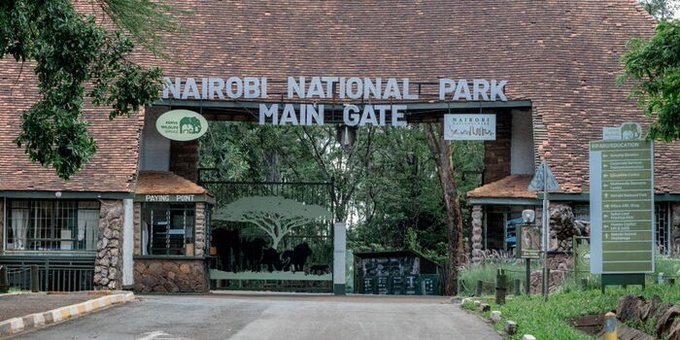
NAIROBI, Kenya — A day after Kenyans enjoyed free entry into national parks, the Kenya Wildlife Service (KWS) has announced a new set of entrance fees for national parks, reserves, and sanctuaries, set to take effect on Wednesday, October 1, 2025.
The revised charges, approved by Parliament last week under The Wildlife Conservation and Management (Access, Entry and Conservation) (Fees) Regulations 2025, will see Kenyans pay between Sh200 and Sh3,000 depending on the park.
Under the new tariff, Kenyans visiting Amboseli and Lake Nakuru National Parks will pay Sh2,025, up from Sh1,200, while entry to Nairobi National Park will now cost Sh1,350, a sharp increase from the previous Sh430.
Citizens of other East African countries will be charged Sh1,500 for Amboseli and Lake Nakuru, and Sh100 for Nairobi National Park.
For Nairobi residents and tourists, KWS has introduced a bundled conservation package costing Sh1,750 for Kenyans and Sh1,300 for East Africans.
The package grants access to Nairobi National Park, the Nairobi Animal Orphanage, and the Nairobi Safari Walk.
Entry to Tsavo East and Tsavo West will now cost Sh1,350 for Kenyans and Sh1,000 for East Africans, while Meru, Kora, and Aberdare National Parks have been priced at Sh1,100 and Sh800 respectively.
Popular hiking destinations such as Mt Kenya, Mt Longonot, Mt Elgon, Hell’s Gate, and Kakamega Forest will now cost Sh675 for Kenyans.
Children and students have also been factored into the new framework. Entry to Amboseli and Lake Nakuru will cost Sh1,050, while Tsavo East, Tsavo West, Meru, Kora, and Aberdare will charge Sh675.
Special packages include Sh950 for the Nairobi circuit (National Park, Orphanage, Safari Walk) and Sh1,550 for the Tsavo–Amboseli package.
Table comparing old vs new KWS park entry fees for Kenyans:
| Park/Package | Old Fee (Kenyans) | New Fee (Kenyans) |
| Nairobi National Park | Sh430 | Sh1,350 |
| Amboseli & Lake Nakuru | Sh1,200 | Sh2,025 |
| Tsavo East & Tsavo West | Sh1,030 | Sh1,350 |
| Meru, Kora & Aberdare | Sh800 | Sh1,100 |
| Mt Kenya | Sh800 | Sh1,100 |
| Hell’s Gate, Mt Longonot, Mt Elgon, Ol Donyo Sabuk, Kakamega, Shimba Hills, Lake Elementaita | Sh400 | Sh675 |
| Nairobi Package (Nairobi NP, Orphanage, Safari Walk) | Not Available | Sh1,750 |
| Tsavo–Amboseli Package (Children/Students) | Not Available | Sh1,550 |
KWS Director General Prof. Erustus Kanga said the changes were long overdue, noting that the last comprehensive review of conservation fees was carried out 18 years ago.
“The revised fees are the result of an open, year-long consultative process involving conservationists, tourism stakeholders, and the public,” Prof. Kanga said in a statement on Monday.
“The adjustments are necessary to strengthen the financial sustainability of wildlife conservation and improve visitor experiences.”
To protect visitors who had already booked trips, KWS confirmed that payments made through e-Citizen prior to the announcement will be honored, with new charges only applying to bookings from October 1 onwards.
Foreign tourists will pay between $4 and $215 depending on the park and activity. Camping fees have been set between Sh200 and Sh700.
The regulations also outline exemptions for Kenyans aged 70 and above, children under five, persons with disabilities, registered tour drivers, guides, boat crews, and porters.
Beach Management Units’ fishing boats will similarly be exempted from anchorage fees.
KWS emphasized that visitors will be required to present valid identification upon entry, including national ID cards for Kenyans, passports for East Africans and other foreign citizens, and student IDs for learners.
The new tariff is expected to raise mixed reactions, particularly among local tourists, even as conservationists argue that the fees are necessary to secure Kenya’s wildlife heritage.
Kenya Insights allows guest blogging, if you want to be published on Kenya’s most authoritative and accurate blog, have an expose, news TIPS, story angles, human interest stories, drop us an email on [email protected] or via Telegram


Kenyan player wins a Ksh3.2 million jackpot

IEBC Sets August 10 Date For 2027 General Election

Furious Ruto Lashes Out at Gideon Moi Over Repeated ‘Blackmail, Extortionist’ Headlines on The Standard and KTN

Mombasa Gripped by ‘Male Organ Theft’ Panic as Social Media Fuels Mob Attacks and Fear

TOO MUCH PR, NOTHING TO SEE: How Gladys Wanga Built a Perfect Story of Transformation While Homa Bay Bled

Netanyahu Says Israel Must ‘Break Free from Dependence’ After Tensions With Trump Administration

Niger pulls Out Of International Criminal Court After Calling It Neo-Colonialist

Kenya Awards Sh154 Billion JKIA Upgrade Tender To Chinese Firm CRBC

The Untouchable: How KURA’s Silas Kinoti Has Survived A Decade Of Corruption Storms While Kenya’s Roads Bled

Fake Papers, Dirty Millions And The Analo Connect: How Kitisuru MCA Alvin Palapala Built a Shadow Empire Inside Nairobi’s Planning Machine

Businessman Philip Waithaka Kinuthia’s Minor Son Allegedly Drove Drunk, Killed Two Peponi Students in Ngong Road Horror Crash as Claims of Cover-Up Intensify

Inside NCBA’s Decline: How a Banking Giant Lost Its Strategic Edge

South Sudan: Adut Salva Kiir’s Shadow Treasury Exposed

Cement, Cash and Courts: How the Hashu Dynasty Crushed the Ramji Brothers for Fourteen Years and Why the Walls Are Now Closing In

Standard Chartered Ghosts Haunt Joshua Oigara At Stanbic As Whistleblower Spills Beans

Inside The Urban Planning Cartel That Owns Nairobi

THE VULTURE AND THE SCHEME How Nairobi West Hospital Became the Most Dangerous Institution in Kenya’s SHA Ecosystem and Why the Books Must Be Audited Now

The President’s Daughter and The Missing Witness: How Adut Salva Kiir’s Shadow Treasury Silenced Its Most Dangerous Critic

How Adil Popat Saved His Empire On The Eve Of Imperial Bank Collapse and Why Kenya’s Mainstream Media Buried The Story

Why John Ngumi Is Running From the EACC and Why the Sh415 Million Payday May Be the Least of His Worries
-
 News1 week ago
Businessman Philip Waithaka Kinuthia’s Minor Son Allegedly Drove Drunk, Killed Two Peponi Students in Ngong Road Horror Crash as Claims of Cover-Up Intensify
-
 Africa2 weeks ago
South Sudan: Adut Salva Kiir’s Shadow Treasury Exposed
-
 Business2 weeks ago
Standard Chartered Ghosts Haunt Joshua Oigara At Stanbic As Whistleblower Spills Beans
-
 Investigations5 days ago
THE VULTURE AND THE SCHEME How Nairobi West Hospital Became the Most Dangerous Institution in Kenya’s SHA Ecosystem and Why the Books Must Be Audited Now
-
 Africa2 weeks ago
The President’s Daughter and The Missing Witness: How Adut Salva Kiir’s Shadow Treasury Silenced Its Most Dangerous Critic
-
 Business2 weeks ago
How Adil Popat Saved His Empire On The Eve Of Imperial Bank Collapse and Why Kenya’s Mainstream Media Buried The Story
-
 Business2 weeks ago
Why John Ngumi Is Running From the EACC and Why the Sh415 Million Payday May Be the Least of His Worries
-
 Business5 days ago
Inside the Billion-Shilling Betrayal: How Senior Treasury Officials Plundered a UN Poverty Fund and Built a Real Estate Empire on the Backs of Kenya’s Rural Poor