
Business
Kenya Power Set to Compensate Consumers for Extended Blackouts Under New Regulations
Consumers seeking compensation for property damage must provide invoices or valuation reports, while those claiming for bodily harm must present valid medical reports.

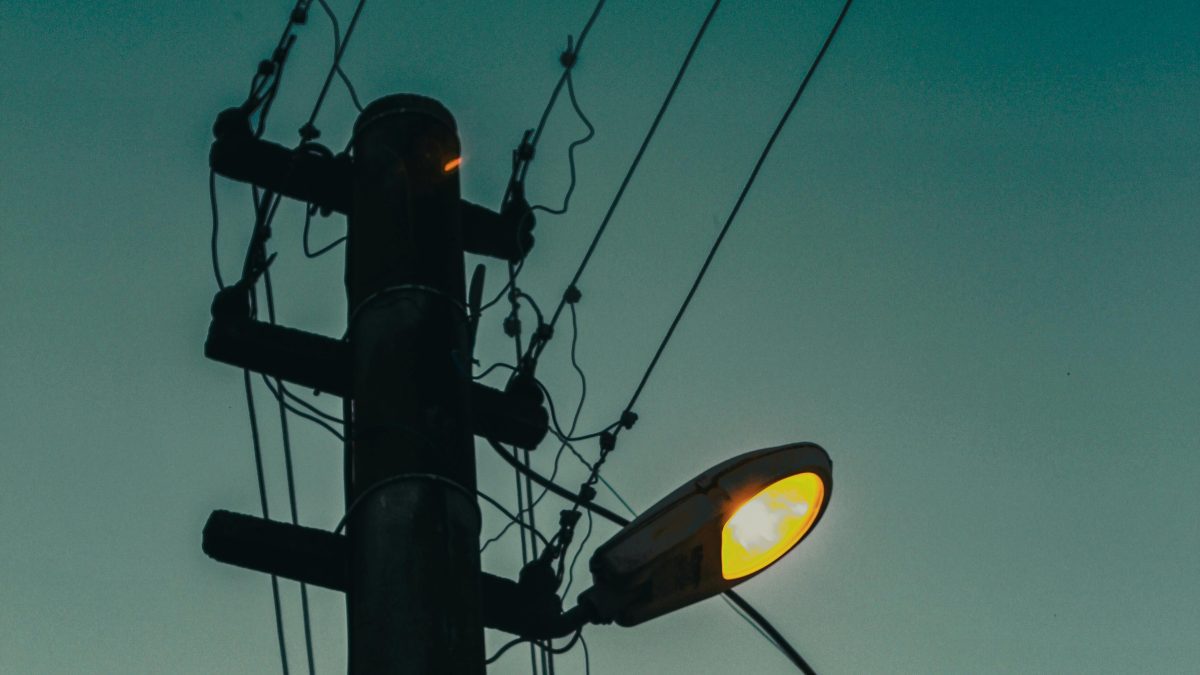
Kenya’s electricity consumers are on the verge of receiving financial compensation for extended power outages and erratic supply under new draft regulations that could fundamentally change how the utility giant Kenya Power operates.
The Draft Energy (Electricity Reliability, Quality of Supply and Service) Regulations, 2025, published by the Energy and Petroleum Regulatory Authority (Epra), propose that consumers receive compensation equivalent to 75 percent of their average daily consumption when hit by prolonged blackouts. This marks a significant shift from the current system where Kenya Power only compensates for equipment damage but not for financial losses from power cuts.
Under the proposed framework, compensation will be tiered based on consumption levels, with small domestic users consuming less than 30 units monthly receiving up to Sh2.92, while large industrial consumers accessing power at 66 kilovolts could receive up to Sh550,559.85. Households consuming between 30 and 100 units would be entitled to a maximum of Sh37.50 in compensation.
The regulations also address delays in restoring power after scheduled maintenance, with consumers set to receive 1.5 times their average daily consumption, capped at Sh734,079.80. Prepaid customers would receive free tokens from Kenya Power, while postpaid customers would see their bills adjusted accordingly.
This development comes after years of complaints from Kenyan businesses about the competitive disadvantage caused by frequent power outages linked to an aging grid and unreliable supply. The utility has attributed most blackouts to vandalism of transmission networks and aging infrastructure unable to handle sudden electricity load surges.
Kenya Power’s financial position has improved dramatically, with the company reporting a 30-fold increase in net profit to Sh9.97 billion in the six months to December 2024, up from Sh319 million in the same period the previous year. The utility now serves 10.06 million customers as of June 2025, benefiting from a stronger shilling and increased electricity sales.
The compensation model mirrors systems used in European countries where utilities are mandated to compensate consumers for extended outages. However, consumers will not receive compensation if blackouts result from force majeure events, third-party interference such as road works, vandalism, or electrical faults on the consumer’s side beyond the metering point.
This represents a reversal from 2015 when Parliament rejected similar compensation legislation, primarily to protect Kenya Power during a period when the company faced significant financial challenges from vandalism and high default rates among prepaid customers.
The current push for compensation comes as high electricity costs drive major consumers toward alternative energy sources. Companies like East African Breweries have announced plans for biomass plants to completely disconnect from Kenya Power by 2030, while wealthy households increasingly invest in solar power systems.
Claims for compensation must be filed within one year of the incidents, with settlements required within 90 days after Epra approval. Consumers seeking compensation for property damage must provide invoices or valuation reports, while those claiming for bodily harm must present valid medical reports.
The regulations are currently under public participation, with no specific timeframe indicated for when blackout duration triggers compensation eligibility. If implemented, this system could significantly impact Kenya Power’s operational costs while potentially improving service reliability as the utility faces direct financial consequences for poor performance.
Kenya Insights allows guest blogging, if you want to be published on Kenya’s most authoritative and accurate blog, have an expose, news TIPS, story angles, human interest stories, drop us an email on [email protected] or via Telegram


Nyali MP Moha Jicho Pevu Caught Up In Alleged Sh44 Million KPA Debt Scam

Somalia Deputy PM Held at JKIA, Deported Over Questionable Acquisition of Kenyan Passport

The White-Coat Heist: How MP Shah Hospital Ran a Decade-Long Double-Extraction Racket While Hiding Behind Charity Status

The Patriarch, His Children, and a Buried Sh3.9 Billion Fraud: The Story of Titus Muya That Kenya Was Never Meant to Read

The Founder’s Ransom: How Titus Muya Had to Be Paid Sh231 Million to Let Go of Family Bank and Why That Bill Is Now Yours

Kenya’s gambling industry pushes back against a licensing bill

Kenya Airways Sinks Into Deeper Turbulence As American Supplier Sues In New York Court Over Sh129 Million Unpaid Debts

Kenyan player wins a Ksh3.2 million jackpot

IEBC Sets August 10 Date For 2027 General Election

Furious Ruto Lashes Out at Gideon Moi Over Repeated ‘Blackmail, Extortionist’ Headlines on The Standard and KTN

Businessman Philip Waithaka Kinuthia’s Minor Son Allegedly Drove Drunk, Killed Two Peponi Students in Ngong Road Horror Crash as Claims of Cover-Up Intensify

Inside NCBA’s Decline: How a Banking Giant Lost Its Strategic Edge

South Sudan: Adut Salva Kiir’s Shadow Treasury Exposed

Cement, Cash and Courts: How the Hashu Dynasty Crushed the Ramji Brothers for Fourteen Years and Why the Walls Are Now Closing In

Standard Chartered Ghosts Haunt Joshua Oigara At Stanbic As Whistleblower Spills Beans

Inside The Urban Planning Cartel That Owns Nairobi

THE VULTURE AND THE SCHEME How Nairobi West Hospital Became the Most Dangerous Institution in Kenya’s SHA Ecosystem and Why the Books Must Be Audited Now

The President’s Daughter and The Missing Witness: How Adut Salva Kiir’s Shadow Treasury Silenced Its Most Dangerous Critic

How Adil Popat Saved His Empire On The Eve Of Imperial Bank Collapse and Why Kenya’s Mainstream Media Buried The Story

Why John Ngumi Is Running From the EACC and Why the Sh415 Million Payday May Be the Least of His Worries
-
 News2 weeks ago
Businessman Philip Waithaka Kinuthia’s Minor Son Allegedly Drove Drunk, Killed Two Peponi Students in Ngong Road Horror Crash as Claims of Cover-Up Intensify
-
 Investigations1 week ago
THE VULTURE AND THE SCHEME How Nairobi West Hospital Became the Most Dangerous Institution in Kenya’s SHA Ecosystem and Why the Books Must Be Audited Now
-
 Business19 hours ago
The Patriarch, His Children, and a Buried Sh3.9 Billion Fraud: The Story of Titus Muya That Kenya Was Never Meant to Read
-

 Business5 days ago
BURRIED TWICE: The Victoria Bank CEO Yogesh Pattni Files
-
 Business1 week ago
Inside the Billion-Shilling Betrayal: How Senior Treasury Officials Plundered a UN Poverty Fund and Built a Real Estate Empire on the Backs of Kenya’s Rural Poor
-

 Business2 weeks ago
The Listing That Doesn’t Lie: What the Market Isn’t Saying About Family Bank’s NSE Debut
-

 Business1 week ago
The Banker Who Walked Away: How Yogesh Pattni Survived a Financial Crime Scandal That Shook Kenya
-

 News7 days ago
My Life Is In Danger: Investor Drops Bombshell Expose On Thomas Ogutu CEO VeGrid Ltd And Fugitive Nairobi CEC Charles Kerich – DCI Inaction And Corruption Network Exposed