
News
ICC Closes Kenya Case But Pursuing 2 Fugitives For Witness Tampering
They include Philip Kipkoech Bett and Walter Barasa, who are still at large.

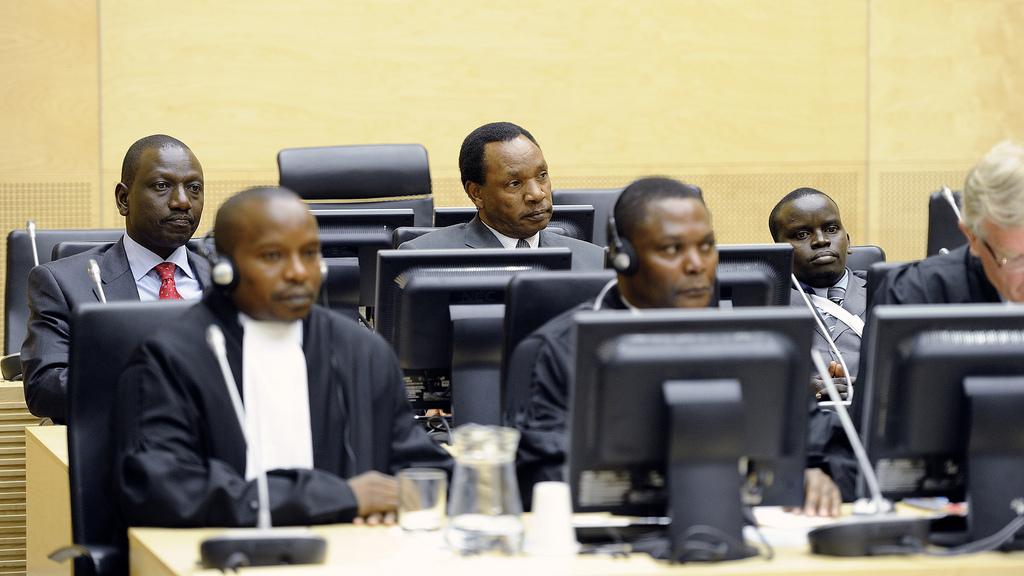
NAIROBI, Kenya Dec 2 – The International Criminal Court (ICC) has formally closed its investigation into the 2007–2008 post-election violence in Kenya but is still pursuing two Kenyans accused of interfering with witnesses.
According to the latest report to the Assembly of States Parties, the Office of the Prosecutor announced on 27 November 2023 that it had concluded all investigations related to the Kenya situation, effectively ending a 13-year pursuit of accountability for the violence that left more than 1,000 people dead and displaced hundreds of thousands.
At the height of the ICC process, six prominent Kenyans faced charges of crimes against humanity: former President Uhuru Kenyatta, President William Ruto, former Cabinet minister Henry Kosgey, former Head of Public Service Francis Muthaura, former Police Commissioner Mohammed Hussein Ali and journalist Joshua arap Sang. They all denied the allegations.
Between 2013 and 2016, the cases collapsed due to insufficient evidence, withdrawn testimony, and what the Court described as widespread witness interference and political meddling. Deputy Prosecutor Nazhat Shameem Khan said the failures reflected a systematic breakdown of evidence, attributed largely to intimidation and manipulation of witnesses.
Outstanding Arrest Warrants
While the main investigative phase has ended, the ICC says it is not completely disengaging from the Kenya situation. Its focus now shifts to preserving the integrity of the Court’s judicial processes.
Two active arrest warrants remain for Kenyan fugitives Walter Barasa and Philip Kipkoech Bett, both wanted for alleged offences against the administration of justice under Article 70 of the Rome Statute. They are accused of corruptly influencing or attempting to influence ICC witnesses—actions that prosecutors believe played a critical role in undermining the core cases.
“They are the subject of warrants of arrest for alleged offences against the administration of justice pursuant to Article 70 of the Rome Statute, consisting of corrupting or attempting to corruptly influence ICC witnesses,” the report states.
Obstruction of Justice and Collapsed Cases
Witness tampering had long been cited as a major obstacle to the Kenya cases. In 2014, charges against Kenyatta were withdrawn after prosecutors said witnesses had been intimidated or interfered with. The case against Sang was dismissed shortly after.
In 2016, the ICC terminated the case against President Ruto. Although the judges found insufficient evidence to proceed, one judge declared a mistrial, citing an “intolerable” level of political interference and a “troubling incidence” of witness tampering. Ruto had denied charges of murder, deportation, and persecution during the violence, in which about 1,200 people were killed.
Lingering Impact
The ICC’s decision effectively closes the chapter on international legal proceedings stemming from the 2007–2008 violence. For many victims and families, the collapse of the cases and the absence of convictions represent a painful reminder of unresolved injustices.
More than 500,000 people were forced to flee their homes during the violence, marked by targeted attacks and deep ethnic and political divisions. Despite numerous inquiries and reconciliation efforts, no senior figure has been held accountable for orchestrating or enabling the conflicts.
The ethnic tensions and trauma from that period remain deeply felt today, with critics saying the collapse of the ICC cases leaves key questions unanswered about responsibility, truth, and compensation for victims.
Kenya Insights allows guest blogging, if you want to be published on Kenya’s most authoritative and accurate blog, have an expose, news TIPS, story angles, human interest stories, drop us an email on [email protected] or via Telegram


Fraud, Misrepresentation and A Decade Of Evasion: How Indo Africa Finance Pocketed Sh150 Million Youth Funds and Fought To Keep Every Cent

Kenya Picks Chinese Firm For Sh375 Billion JKIA Upgrade Project After Adani Fallout

The President’s Daughter and The Missing Witness: How Adut Salva Kiir’s Shadow Treasury Silenced Its Most Dangerous Critic

Kisii Under Siege: Governor Arati’s Wife Accused of Hijacking IFMIS and Running a Parallel Government

Al-Shabaab Issues Statement Defending Omar Artan, Accuses U.S. of Discrimination After Referee’s Deportation

Netanyahu To Run For Re-Election, His Party Says, After Trump Raises Doubts

US Cracks Down on Birth Tourism Schemes

Microsoft Limits Employee Use Of Anthropic’s Claude Fable 5 Over Data Retention Concerns, The Verge Reports

Standard Chartered Ghosts Haunt Joshua Oigara At Stanbic As Whistleblower Spills Beans

Caleb Amisi Says Linda Mwananchi Has Lost Direction, Announces Plans To Form A New Movement

Cement, Cash and Courts: How the Hashu Dynasty Crushed the Ramji Brothers for Fourteen Years and Why the Walls Are Now Closing In

Inside The Urban Planning Cartel That Owns Nairobi

Why Ruto’s Favourite Candidate Adan Mohammed Could Be Locked Out of the KRA Top Job

LifeCare on the Brink: SHA Fraud, Stolen Wages, and the Rotten Empire Jayesh Saini Built

Betika Faces DCI Probe, Directors Arrest and License Revocation Over Massive 29.5 Million Safaricom Customers’ Data Breach

Este Medical Kenya Fights American’s Explosive Complaints

Fresh Move Launched to Remove Kenya Railways MD Mainga From Office After Awarding Sh817 Million Consultancy Contract

The Rot Inside Absa: How Bank Insiders Are Looting Nairobi’s Customers

Inside FAFSA Fraud: How Kenyan Cybercriminals Siphoned Millions from America’s Sh12 Billion Student Loan System

Court Confirms Safaricom Customers Data Was Sold To Betting Companies In Seven-Year Cover-Up
-
 Investigations7 days ago
Cement, Cash and Courts: How the Hashu Dynasty Crushed the Ramji Brothers for Fourteen Years and Why the Walls Are Now Closing In
-
 Investigations5 days ago
Inside The Urban Planning Cartel That Owns Nairobi
-
 Investigations1 week ago
Betika Faces DCI Probe, Directors Arrest and License Revocation Over Massive 29.5 Million Safaricom Customers’ Data Breach
-
 Investigations7 days ago
Fresh Move Launched to Remove Kenya Railways MD Mainga From Office After Awarding Sh817 Million Consultancy Contract
-

 News2 weeks ago
Eight Students Arrested In Kenya After Suspected Deadly School Arson Attack
-
 News2 weeks ago
How Uhuru’s Deal With Obama In 2015 Paved Way For America’s Ebola Plan In Kenya
-

 Business1 week ago
TRUST BETRAYED: How Senior DTB Bank Insiders Allegedly Looted Sh149 Million From a Customer’s Account Over Five Years
-
 Business1 day ago
Inside NCBA’s Decline: How a Banking Giant Lost Its Strategic Edge