
Politics
EXPLAINER: Understanding ID Application Vetting

In Summary
- The vetting required applicants to provide extensive documentation, such as birth certificates of parents and grandparents, to prove their Kenyan citizenship.
- This applied to the Somali, Nubian, Arab, and Asians.
President William Ruto announced last week the abolition of the 60-year-old vetting process required to acquire a national identity (ID), particularly for individuals from certain communities.
These include Kenyans of Somali, Nubian, Arab, and Asian backgrounds.
The historic move was part of his campaign pledge, especially to the residents of the North Eastern region.
While signing the Presidential Proclamation on Registration and Issuance of IDs to border counties at Orahey grounds in Wajir Town, Ruto termed the practice as discriminatory.
“If it is about vetting, let all children of Kenya be vetted equally without any discrimination,” he said.
The vetting required applicants to provide extensive documentation, such as birth certificates of parents and grandparents, to prove their Kenyan citizenship.
ID application
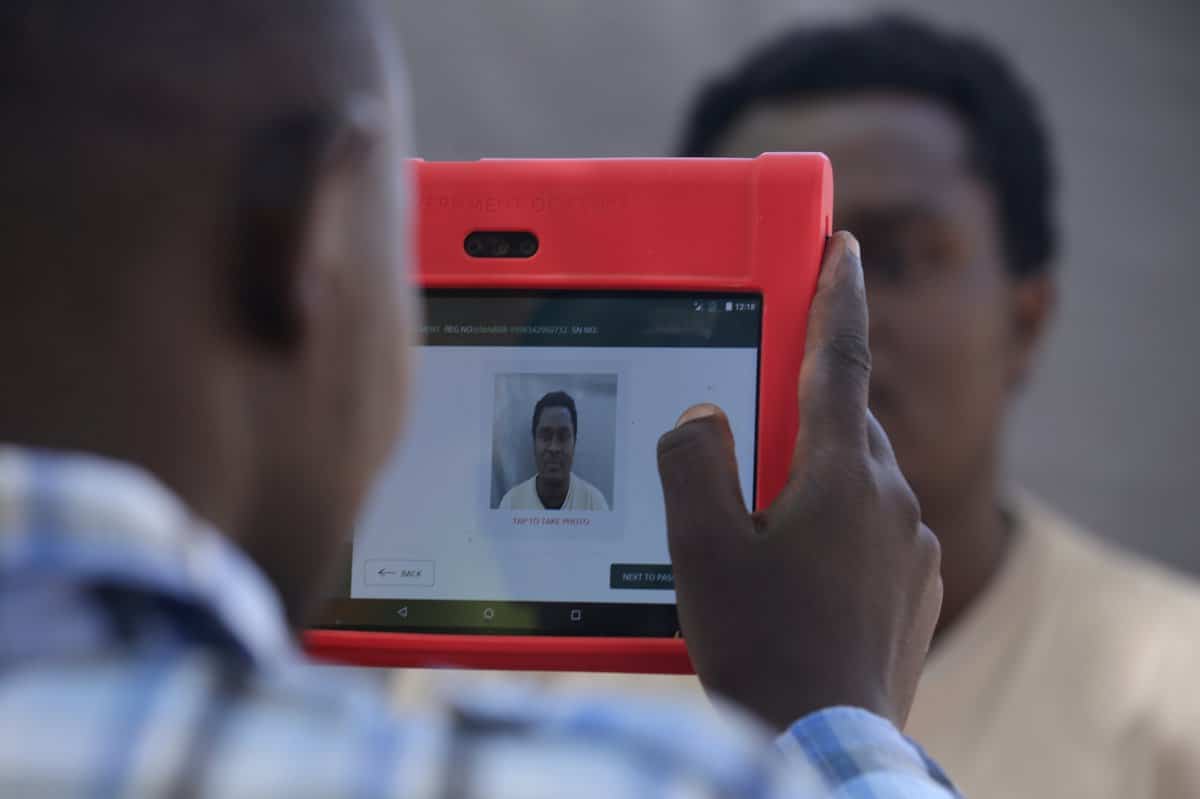
For an ordinary Kenyan above 18 years, application for an ID involves some simple steps.
Application for the document is done at the National Registration Bureau offices countrywide which are usually located within County Comissioner’s offices or Chiefs camp.
At the National Registration Bureau office, you will fill out a form detailing your biodata after which your fingerprints and passport photograph shall be taken.
A waiting card will then be issued to the applicant upon successful application and shall be surrendered when collecting the processed ID card.
Previously, applicants would wait for up to a month but with the necessary reforms within the offices, it can be collected within 10 days.
Requirements for proof of age, names and place of birth are birth certificate, parent’s IDs, school leaving certificate, notification of birth, religious certificate and a letter from the area chief or assistant chief.
For late registration, you will need a sworn affidavit.
Vetting process
It was introduced in the 1990s as part of measures to curb insecurity, especially in areas bordering other countries as well as curb illegal activities but also to protect the interests and safety of local populations.
There were reports that the influx of foreigners in the country was a security threat.
These stringent vetting procedures were aimed at regulating the entry and stay of foreigners in the region.
It was also aimed at ensuring that newcomers were properly documented, screened for security risks, and had legitimate reasons for their presence.
During this process, applicants had to undergo vetting through local chiefs, assistant chiefs, or village elders who confirmed their identity and their family history.
This was particularly important because there was little documentation or formal record of birth.
Applicants also had to demonstrate they were Kenyan citizens by presenting birth certificates, school records, or affidavits from local leaders attesting to the person’s citizenship status.
There was also a process to ensure that the applicant did not have any conflicting identity or criminal history.
What the new decree means?
This directive now means that all Kenyan citizens, regardless of their ethnic or religious background, can now apply for national IDs without facing additional scrutiny.
This policy change, Ruto said, is aimed at promoting equality and inclusivity, ensuring that every Kenyan has equal access to essential services and opportunities.
A national ID is a vital document required for accessing services such as education, healthcare, and employment. Without them, individuals are effectively rendered invisible in the eyes of the state.
Kenya Insights allows guest blogging, if you want to be published on Kenya’s most authoritative and accurate blog, have an expose, news TIPS, story angles, human interest stories, drop us an email on [email protected] or via Telegram






Treasury CS Mbadi Unveils Sh4.8 Trillion Budget Estimates

Fraud, Misrepresentation and A Decade Of Evasion: How Indo Africa Finance Pocketed Sh150 Million Youth Funds and Fought To Keep Every Cent

Kenya Picks Chinese Firm For Sh375 Billion JKIA Upgrade Project After Adani Fallout

The President’s Daughter and The Missing Witness: How Adut Salva Kiir’s Shadow Treasury Silenced Its Most Dangerous Critic

Kisii Under Siege: Governor Arati’s Wife Accused of Hijacking IFMIS and Running a Parallel Government

Al-Shabaab Issues Statement Defending Omar Artan, Accuses U.S. of Discrimination After Referee’s Deportation

Netanyahu To Run For Re-Election, His Party Says, After Trump Raises Doubts

US Cracks Down on Birth Tourism Schemes

Microsoft Limits Employee Use Of Anthropic’s Claude Fable 5 Over Data Retention Concerns, The Verge Reports

Standard Chartered Ghosts Haunt Joshua Oigara At Stanbic As Whistleblower Spills Beans

Cement, Cash and Courts: How the Hashu Dynasty Crushed the Ramji Brothers for Fourteen Years and Why the Walls Are Now Closing In

Inside The Urban Planning Cartel That Owns Nairobi

Why Ruto’s Favourite Candidate Adan Mohammed Could Be Locked Out of the KRA Top Job

LifeCare on the Brink: SHA Fraud, Stolen Wages, and the Rotten Empire Jayesh Saini Built

Betika Faces DCI Probe, Directors Arrest and License Revocation Over Massive 29.5 Million Safaricom Customers’ Data Breach

Este Medical Kenya Fights American’s Explosive Complaints

Fresh Move Launched to Remove Kenya Railways MD Mainga From Office After Awarding Sh817 Million Consultancy Contract

The Rot Inside Absa: How Bank Insiders Are Looting Nairobi’s Customers

Inside FAFSA Fraud: How Kenyan Cybercriminals Siphoned Millions from America’s Sh12 Billion Student Loan System

Court Confirms Safaricom Customers Data Was Sold To Betting Companies In Seven-Year Cover-Up
-
 Investigations7 days ago
Cement, Cash and Courts: How the Hashu Dynasty Crushed the Ramji Brothers for Fourteen Years and Why the Walls Are Now Closing In
-
 Investigations5 days ago
Inside The Urban Planning Cartel That Owns Nairobi
-
 Investigations1 week ago
Betika Faces DCI Probe, Directors Arrest and License Revocation Over Massive 29.5 Million Safaricom Customers’ Data Breach
-
 Investigations7 days ago
Fresh Move Launched to Remove Kenya Railways MD Mainga From Office After Awarding Sh817 Million Consultancy Contract
-

 News2 weeks ago
Eight Students Arrested In Kenya After Suspected Deadly School Arson Attack
-

 News2 weeks ago
How Uhuru’s Deal With Obama In 2015 Paved Way For America’s Ebola Plan In Kenya
-

 Business1 week ago
TRUST BETRAYED: How Senior DTB Bank Insiders Allegedly Looted Sh149 Million From a Customer’s Account Over Five Years
-
 Business12 hours ago
Standard Chartered Ghosts Haunt Joshua Oigara At Stanbic As Whistleblower Spills Beans