
Business
Employees Allege Toxic Work Culture at Zipline Kenya’s Drone Hub

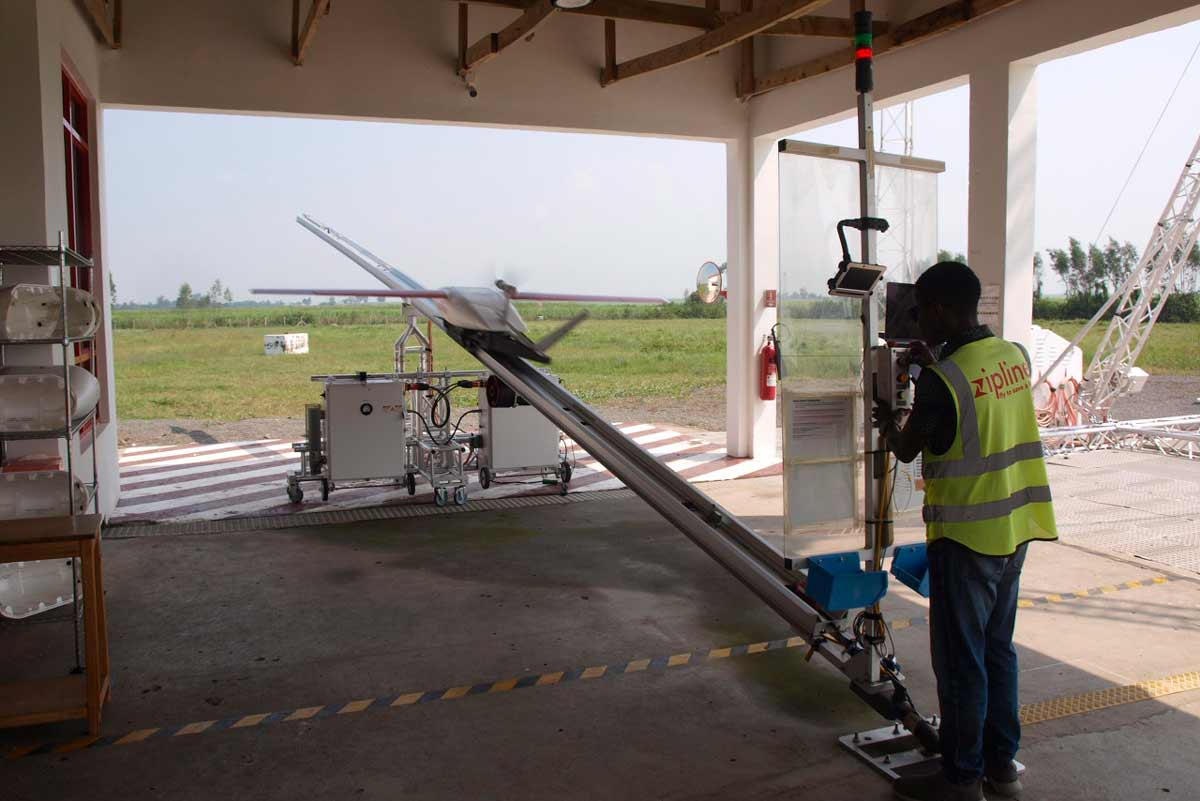
KISUMU COUNTY — Workers at Zipline Kenya Ltd, a drone logistics company that has made headlines for its innovative approach to medical deliveries, are reportedly facing a different kind of challenge on the ground — a toxic work environment that threatens to undermine the company’s operations.
According to information obtained by Kenya Insights, employees at the company’s Chemelil hub in Kisumu County are experiencing significant workplace dissatisfaction, with many considering leaving their positions due to management issues.
Multiple sources familiar with the situation claim that the workplace culture has deteriorated under the leadership of the company’s People Partner, with allegations of favoritism and dismissive attitudes toward employee concerns.
“There’s a growing sense of frustration among team members who feel their grievances are not being taken seriously,” said a source who requested anonymity for fear of retaliation.
“When issues are raised, they’re often addressed with superficial gestures like buying lunch or pizza instead of implementing meaningful changes.”
Particularly concerning, according to our sources, is that previous attempts to alert senior management about these issues were allegedly ignored.
Employees reportedly submitted anonymous feedback last year highlighting their concerns, but claim no action was taken in response.
Zipline Kenya, which operates drone technology to deliver medical supplies to hard-to-reach areas, has been recognized for its innovative approach to healthcare logistics in Kenya.
The company’s Chemelil hub serves as a critical distribution center for its operations.
When contacted by Kenya Insights, Zipline Kenya did not immediately respond to requests for comment on the allegations.
Workplace culture experts note that high employee turnover can significantly impact operational efficiency, particularly in specialized technical fields like drone logistics where specialized skills and training are required.
“Companies that dismiss employee concerns often face downstream effects on productivity, innovation, and ultimately service delivery,” said Margaret Wambui, a Nairobi-based HR consultant not affiliated with Zipline.
Kenya Insights will continue to monitor this developing situation and update this story as more information becomes available.
Kenya Insights allows guest blogging, if you want to be published on Kenya’s most authoritative and accurate blog, have an expose, news TIPS, story angles, human interest stories, drop us an email on [email protected] or via Telegram


Kenya Picks Chinese Firm For Sh375 Billion JKIA Upgrade Project After Adani Fallout

The President’s Daughter and The Missing Witness: How Adut Salva Kiir’s Shadow Treasury Silenced Its Most Dangerous Critic

Kisii Under Siege: Governor Arati’s Wife Accused of Hijacking IFMIS and Running a Parallel Government

Al-Shabaab Issues Statement Defending Omar Artan, Accuses U.S. of Discrimination After Referee’s Deportation

Netanyahu To Run For Re-Election, His Party Says, After Trump Raises Doubts

US Cracks Down on Birth Tourism Schemes

Microsoft Limits Employee Use Of Anthropic’s Claude Fable 5 Over Data Retention Concerns, The Verge Reports

Standard Chartered Ghosts Haunt Joshua Oigara At Stanbic As Whistleblower Spills Beans

Caleb Amisi Says Linda Mwananchi Has Lost Direction, Announces Plans To Form A New Movement

Air Canada Pilot Flew Passengers For Years With A Fake Pilot’s License, Police Say

Cement, Cash and Courts: How the Hashu Dynasty Crushed the Ramji Brothers for Fourteen Years and Why the Walls Are Now Closing In

Inside The Urban Planning Cartel That Owns Nairobi

Why Ruto’s Favourite Candidate Adan Mohammed Could Be Locked Out of the KRA Top Job

LifeCare on the Brink: SHA Fraud, Stolen Wages, and the Rotten Empire Jayesh Saini Built

Este Medical Kenya Fights American’s Explosive Complaints

Betika Faces DCI Probe, Directors Arrest and License Revocation Over Massive 29.5 Million Safaricom Customers’ Data Breach

The Rot Inside Absa: How Bank Insiders Are Looting Nairobi’s Customers

Fresh Move Launched to Remove Kenya Railways MD Mainga From Office After Awarding Sh817 Million Consultancy Contract

Inside FAFSA Fraud: How Kenyan Cybercriminals Siphoned Millions from America’s Sh12 Billion Student Loan System

Court Confirms Safaricom Customers Data Was Sold To Betting Companies In Seven-Year Cover-Up
-
 Investigations6 days ago
Cement, Cash and Courts: How the Hashu Dynasty Crushed the Ramji Brothers for Fourteen Years and Why the Walls Are Now Closing In
-
 Investigations5 days ago
Inside The Urban Planning Cartel That Owns Nairobi
-
 Investigations1 week ago
Betika Faces DCI Probe, Directors Arrest and License Revocation Over Massive 29.5 Million Safaricom Customers’ Data Breach
-
 Investigations6 days ago
Fresh Move Launched to Remove Kenya Railways MD Mainga From Office After Awarding Sh817 Million Consultancy Contract
-

 News2 weeks ago
Eight Students Arrested In Kenya After Suspected Deadly School Arson Attack
-

 News2 weeks ago
How Uhuru’s Deal With Obama In 2015 Paved Way For America’s Ebola Plan In Kenya
-

 Business1 week ago
TRUST BETRAYED: How Senior DTB Bank Insiders Allegedly Looted Sh149 Million From a Customer’s Account Over Five Years
-

 Investigations5 days ago
Why Drivers Cheered Bolt’s Reported Exit: Inside the Slow Financial Strangulation of Thousands of Kenyan Drivers and Riders in Kenya