
News
EACC Audit Exposes Police Extortion Empire: Senior Commanders Set Daily Bribe Targets for Officers

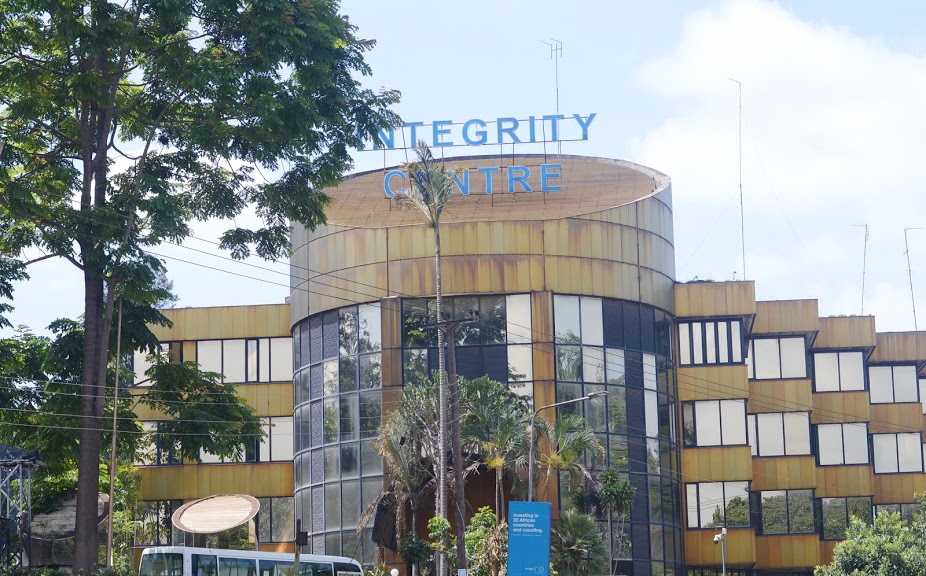
A damning audit by the Ethics and Anti-Corruption Commission has exposed a fully structured bribery empire within the National Police Service where senior commanders allegedly set daily and weekly bribe targets for junior officers, turning traffic policing into a cash-collection industry that rivals organized crime.
The report, commissioned by Inspector General Douglas Kanja, reveals that bribery within the traffic unit is not opportunistic but institutionalized.
Officers are given explicit cash targets to collect from public service vehicles, boda boda riders and bar owners. Commanders reportedly monitor these targets with the same precision that legitimate agencies use to track revenue performance.
The Ngong Road corridor is one of the most lucrative routes.
Matatu operators told auditors that each vehicle is forced to pay one thousand shillings per week as protection fees.
With about two hundred vehicles operating on the route, the police collect two hundred thousand shillings weekly and more than eight hundred thousand shillings monthly from one road alone.
Boda boda riders face similar extortion, while bar owners report up to four collections per day.
Failure to pay unleashes immediate retaliation.
Vehicles are impounded, drivers accused of fabricated offences and owners subjected to relentless harassment.sa
Officers who refuse to participate in the racket are punished just as harshly.
The report documents sudden transfers to remote hardship stations, trumped-up disciplinary charges and stalled promotions for officers who fail to deliver cash.
The audit uncovers a sophisticated financial system behind the bribery network.
Illegal collections are often funneled through police SACCOs and disguised using multiple receipt books and parallel records.
Some officers were found operating in unauthorized roles to increase access to high-traffic extortion points. EACC investigators concluded that bribery proceeds climb through the police hierarchy, benefiting supervisors and senior commanders who control deployment.
The report also paints the picture of a service collapsing under internal dysfunction. Kenya is short by nearly two hundred thousand officers, leaving key oversight organs crippled.
The Internal Affairs Unit, which should police rogue officers, has only seventy-four personnel instead of more than a thousand. This vacuum has allowed corruption networks to thrive without fear of detection or discipline.
The audit’s release comes under the cloud of the death of teacher and blogger Albert Ojwang, who died in police custody in July 2025 after being arrested for allegedly defaming a senior police commander he had linked to corruption networks. Although the audit does not directly tie his death to the extortion racket, the timing has fueled suspicion of cover-ups and intimidation within the service.
Inspector General Kanja’s role in initiating the audit has drawn both praise and scrutiny.
He has pledged to discipline officers involved, establish anti-corruption committees in all counties and fast-track digitization of police processes including recruitment, cash bail and administrative records. He is also considering introducing body cameras to curb abuse.
The EACC, however, says the rot is too deep to fix through incremental reforms. It has recommended the disbandment of the entire traffic department, routine rotation of officers and a complete restructuring of deployment systems to break entrenched extortion networks. Auditors warn that unless these measures are taken urgently, the police service will continue to function as a predatory revenue machine rather than a law-enforcement institution.
The findings expose a policing crisis that threatens public safety and erodes public trust.
With officers focused on collecting bribes instead of enforcing traffic laws, unroadworthy vehicles and reckless drivers are allowed to operate freely, putting millions at risk.
The report concludes that corruption has become so systemic that without decisive action, the police service risks losing all legitimacy.
Kenya Insights allows guest blogging, if you want to be published on Kenya’s most authoritative and accurate blog, have an expose, news TIPS, story angles, human interest stories, drop us an email on [email protected] or via Telegram


Kenya Airways Sinks Into Deeper Turbulence As American Supplier Sues In New York Court Over Sh129 Million Unpaid Debts

Kenyan player wins a Ksh3.2 million jackpot

IEBC Sets August 10 Date For 2027 General Election

Furious Ruto Lashes Out at Gideon Moi Over Repeated ‘Blackmail, Extortionist’ Headlines on The Standard and KTN

Mombasa Gripped by ‘Male Organ Theft’ Panic as Social Media Fuels Mob Attacks and Fear

TOO MUCH PR, NOTHING TO SEE: How Gladys Wanga Built a Perfect Story of Transformation While Homa Bay Bled

Netanyahu Says Israel Must ‘Break Free from Dependence’ After Tensions With Trump Administration

Niger pulls Out Of International Criminal Court After Calling It Neo-Colonialist

Kenya Awards Sh154 Billion JKIA Upgrade Tender To Chinese Firm CRBC

The Untouchable: How KURA’s Silas Kinoti Has Survived A Decade Of Corruption Storms While Kenya’s Roads Bled

Businessman Philip Waithaka Kinuthia’s Minor Son Allegedly Drove Drunk, Killed Two Peponi Students in Ngong Road Horror Crash as Claims of Cover-Up Intensify

Inside NCBA’s Decline: How a Banking Giant Lost Its Strategic Edge

South Sudan: Adut Salva Kiir’s Shadow Treasury Exposed

Cement, Cash and Courts: How the Hashu Dynasty Crushed the Ramji Brothers for Fourteen Years and Why the Walls Are Now Closing In

Standard Chartered Ghosts Haunt Joshua Oigara At Stanbic As Whistleblower Spills Beans

Inside The Urban Planning Cartel That Owns Nairobi

THE VULTURE AND THE SCHEME How Nairobi West Hospital Became the Most Dangerous Institution in Kenya’s SHA Ecosystem and Why the Books Must Be Audited Now

The President’s Daughter and The Missing Witness: How Adut Salva Kiir’s Shadow Treasury Silenced Its Most Dangerous Critic

How Adil Popat Saved His Empire On The Eve Of Imperial Bank Collapse and Why Kenya’s Mainstream Media Buried The Story

Why John Ngumi Is Running From the EACC and Why the Sh415 Million Payday May Be the Least of His Worries
-
 News1 week ago
Businessman Philip Waithaka Kinuthia’s Minor Son Allegedly Drove Drunk, Killed Two Peponi Students in Ngong Road Horror Crash as Claims of Cover-Up Intensify
-
 Africa2 weeks ago
South Sudan: Adut Salva Kiir’s Shadow Treasury Exposed
-
 Investigations7 days ago
THE VULTURE AND THE SCHEME How Nairobi West Hospital Became the Most Dangerous Institution in Kenya’s SHA Ecosystem and Why the Books Must Be Audited Now
-
 Business2 weeks ago
How Adil Popat Saved His Empire On The Eve Of Imperial Bank Collapse and Why Kenya’s Mainstream Media Buried The Story
-
 Business2 weeks ago
Why John Ngumi Is Running From the EACC and Why the Sh415 Million Payday May Be the Least of His Worries
-
 Business3 days ago
BURRIED TWICE: The Victoria Bank CEO Yogesh Pattni Files
-
 Business6 days ago
Inside the Billion-Shilling Betrayal: How Senior Treasury Officials Plundered a UN Poverty Fund and Built a Real Estate Empire on the Backs of Kenya’s Rural Poor
-

 Business1 week ago
The Listing That Doesn’t Lie: What the Market Isn’t Saying About Family Bank’s NSE Debut