
Business
Coca-Cola Recalls Drinks Over Safety Concerns
Coca-Cola recalled its drinks in several countries across Europe on Monday because of excessive levels of a potentially harmful substance. The recall concerns cans and glass bottles of Coke, Sprite, Fuze Tea and other beverages distributed in Belgium, the Netherlands, Britain, Germany, France and Luxembourg since November.

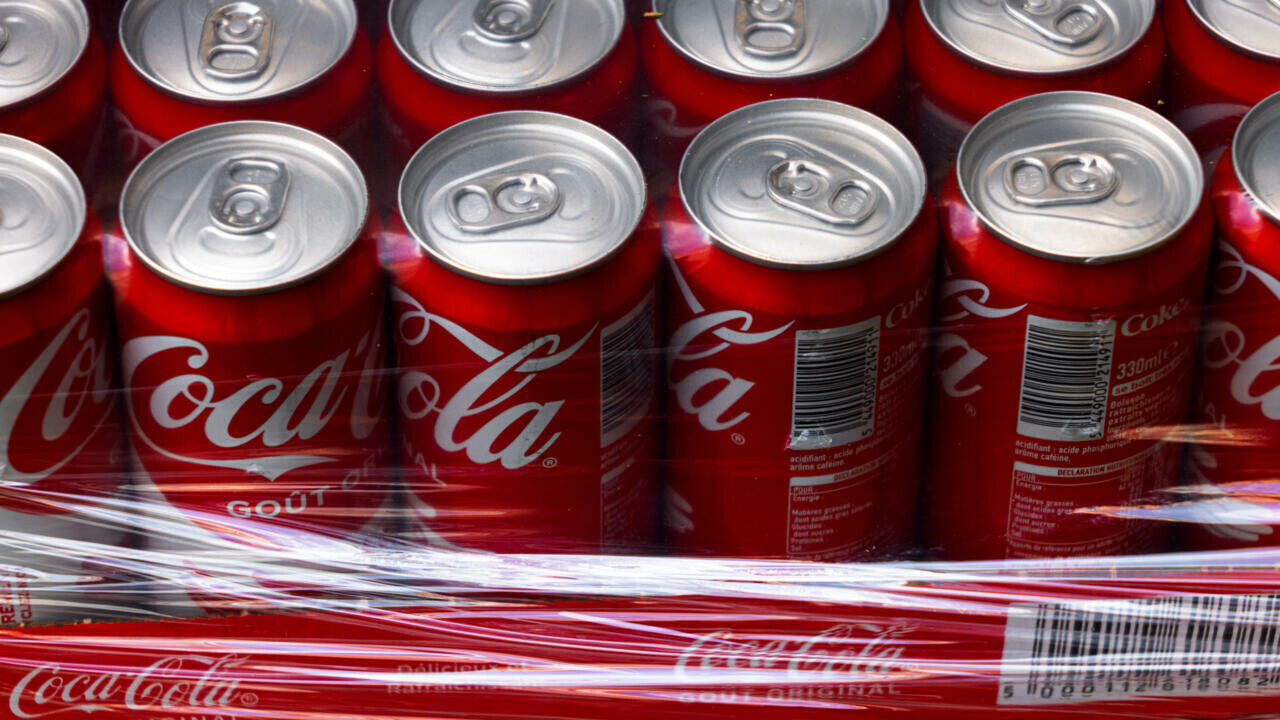
Coca-Cola has recalled its drinks in some countries across Europe because they contain “higher levels” of a chemical called chlorate.
The firm said in a statement that the recall was focused on Belgium, Luxembourg, and the Netherlands. It added that just five product lines had been shipped to Britain and had already been sold.
Affected products include the Coke, Fanta, Sprite, Tropico and Minute Maid brands, according to the Belgium branch of Coca-Cola’s international bottling and distribution operation.
Chlorate can be produced when chlorine-based disinfectants are used in water treatment and food processing.
“Independent expert analysis concludes that any associated risk for consumers is very low,” a spokesperson told the BBC.
Coca-Cola said it had not received any consumer complaints in Great Britain, and that it had “alerted the authorities on this matter and will continue to collaborate with them.”
The company did not specify which products have been affected in the UK but said the five product lines were shipped to the UK towards the end of last year.
Anne Gravett from the Food Standards Agency said it was investigating.
“If we identify any unsafe food, we’ll take action to ensure it is removed and alert consumers,” she added.
Exposure to high levels of chlorate can cause health problems including thyroid problems, especially among children and infants.
NHS and private nutritionist Caron Grazette told the BBC: “We need to question whether or not we want to digest chemicals in soft drinks which are used in the production of fireworks and disinfectants, however small the quantity”.
Chlorate’s effects on humans when taken in excess include nausea, vomiting, diarrhoea, and limiting the blood’s ability to absorb oxygen, added Ms Grazette, citing recent research into the chemical.
The higher levels of chlorate were discovered during routine testing at the company’s production facility in Ghent, Belgium, according to an unnamed company spokesperson quoted by the AFP news agency.
The majority of unsold products had been withdrawn from shelves, according to AFP, and the company was in the process of withdrawing the rest.
A Coca-Cola spokesperson said it “considers the quality and safety of its products as its top priority”.
(BBC)
Kenya Insights allows guest blogging, if you want to be published on Kenya’s most authoritative and accurate blog, have an expose, news TIPS, story angles, human interest stories, drop us an email on [email protected] or via Telegram





Karua Detained at Entebbe as Uganda Blocks Besigye Lawyer From Entering Country

How KCB and Airtel Turned Kenya’s Unbanked Into a Data Goldmine Behind a ‘Financial Inclusion’ Deal

The Chivayo Network: How a Convicted Fraudster Won Access to Presidents, Passports and Billion-Dollar Deals Across Africa

BURRIED TWICE: The Victoria Bank CEO Yogesh Pattni Files

Court Stops Transfer Of EABL Shares To Asahi By Diageo In A Fresh Snag

Death Before Justice: Stephen Ngei, Victim of Sh180 Million Laptop Tender Scam Linked to Allan Chesang, Killed in Highway Crash

Court Brands Sh1.1 Billion Fee Demand by Lawyer Victor Swanya “Excessive and Exorbitant,” Exposes How City Hall Lets Public Money Bleed Through Legal Bills

Trump Unveils New Air Force One

MR. NO SHOW: Finance Bill 2026 Exposes Ndindi Nyoro’s Political Conmanship

Billionaire Eric Muli Rebukes Musalia Mudavadi Over Nairobi Capital Relocation Debate

Businessman Philip Waithaka Kinuthia’s Minor Son Allegedly Drove Drunk, Killed Two Peponi Students in Ngong Road Horror Crash as Claims of Cover-Up Intensify

Inside NCBA’s Decline: How a Banking Giant Lost Its Strategic Edge

Cement, Cash and Courts: How the Hashu Dynasty Crushed the Ramji Brothers for Fourteen Years and Why the Walls Are Now Closing In

Standard Chartered Ghosts Haunt Joshua Oigara At Stanbic As Whistleblower Spills Beans

South Sudan: Adut Salva Kiir’s Shadow Treasury Exposed

Inside The Urban Planning Cartel That Owns Nairobi

THE VULTURE AND THE SCHEME How Nairobi West Hospital Became the Most Dangerous Institution in Kenya’s SHA Ecosystem and Why the Books Must Be Audited Now

How Adil Popat Saved His Empire On The Eve Of Imperial Bank Collapse and Why Kenya’s Mainstream Media Buried The Story

The President’s Daughter and The Missing Witness: How Adut Salva Kiir’s Shadow Treasury Silenced Its Most Dangerous Critic

Why John Ngumi Is Running From the EACC and Why the Sh415 Million Payday May Be the Least of His Worries
-
 News1 week ago
Businessman Philip Waithaka Kinuthia’s Minor Son Allegedly Drove Drunk, Killed Two Peponi Students in Ngong Road Horror Crash as Claims of Cover-Up Intensify
-
 Business2 weeks ago
Inside NCBA’s Decline: How a Banking Giant Lost Its Strategic Edge
-
 Business2 weeks ago
Standard Chartered Ghosts Haunt Joshua Oigara At Stanbic As Whistleblower Spills Beans
-
 Africa2 weeks ago
South Sudan: Adut Salva Kiir’s Shadow Treasury Exposed
-
 Investigations4 days ago
THE VULTURE AND THE SCHEME How Nairobi West Hospital Became the Most Dangerous Institution in Kenya’s SHA Ecosystem and Why the Books Must Be Audited Now
-
 Business2 weeks ago
How Adil Popat Saved His Empire On The Eve Of Imperial Bank Collapse and Why Kenya’s Mainstream Media Buried The Story
-
 Africa2 weeks ago
The President’s Daughter and The Missing Witness: How Adut Salva Kiir’s Shadow Treasury Silenced Its Most Dangerous Critic
-
 Business2 weeks ago
Why John Ngumi Is Running From the EACC and Why the Sh415 Million Payday May Be the Least of His Worries