
World
Netanyahu Says Israel Must ‘Break Free from Dependence’ After Tensions With Trump Administration
Israeli premier says country must reduce reliance on foreign weapons, build independent military capabilities

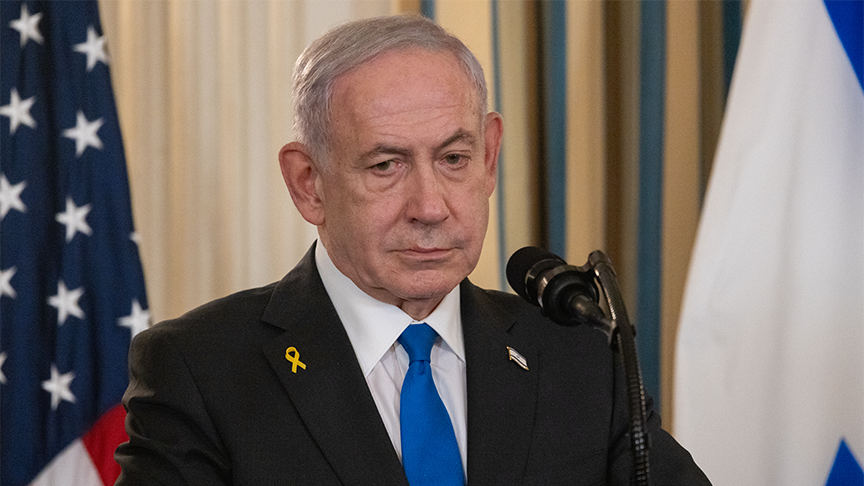
Israeli Prime Minister Benjamin Netanyahu said Tuesday that Israel must reduce its dependence on foreign support and build an independent arms system amid disagreements between his government and the administration of US President Donald Trump.
Speaking at a meeting with reserve combat officers attending a course in the illegal Gush Etzion settlement bloc in the occupied West Bank, Netanyahu said Israel values the assistance it has received from Washington but must strengthen its own capabilities.
“I greatly appreciate the support Israel has received from our American friends, but we need to break free from dependence and build our own independent armament system,” Netanyahu was quoted as saying by Israeli news site Ynet.
Netanyahu said Israel must continue expanding its military strength and technological capabilities.
“We need to break free from dependence, build more and more strength, introduce more and more technology, train more and more generations of commanders like you — because that’s what will ultimately determine where we will be,” he said.
The remarks come amid growing disputes within Israeli political and security circles over a memorandum of understanding between the US and Iran and their possible implications for ending the war on the Lebanese front.
Last Thursday, US Vice President JD Vance sharply criticized ministers in Netanyahu’s government over their opposition to the US-Iran agreement.
“If I were in the Cabinet of the Israeli government, I might not be attacking the only powerful ally that I have anywhere left in the entire world,” Vance said.
“Over the last three months, two-thirds of the defensive weapons that have protected your homeland have been built by American hands and paid for by American tax dollars. The problem for Israel is not Donald J. Trump, and anybody in Israel who thinks their biggest problem is the President of the United States needs to wake up and smell the reality of the situation that country is in,” he added.
Iran and the US announced on June 14 that they had reached a 14-point understanding mediated by Pakistan, aimed at ending the war and addressing outstanding disputes through dialogue and negotiations.
The memorandum, known as the Islamabad Understanding, entered into force on June 18 after being electronically signed by Iranian President Masoud Pezeshkian and US President Donald Trump.
The agreement includes provisions related to ending the war, including in Lebanon, reopening the Strait of Hormuz, and lifting the US naval blockade imposed on Iran.
Kenya Insights allows guest blogging, if you want to be published on Kenya’s most authoritative and accurate blog, have an expose, news TIPS, story angles, human interest stories, drop us an email on [email protected] or via Telegram




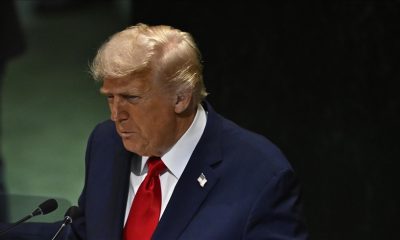

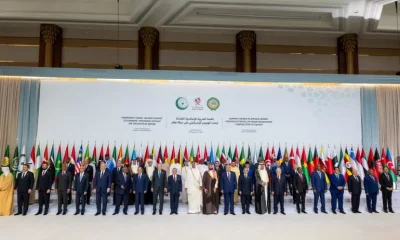

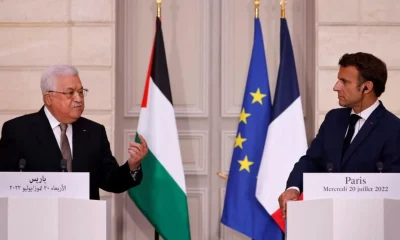


TOO MUCH PR, NOTHING TO SEE: How Gladys Wanga Built a Perfect Story of Transformation While Homa Bay Bled

Netanyahu Says Israel Must ‘Break Free from Dependence’ After Tensions With Trump Administration

Niger pulls Out Of International Criminal Court After Calling It Neo-Colonialist

Kenya Awards Sh154 Billion JKIA Upgrade Tender To Chinese Firm CRBC

The Untouchable: How KURA’s Silas Kinoti Has Survived A Decade Of Corruption Storms While Kenya’s Roads Bled

Fake Papers, Dirty Millions And The Analo Connect: How Kitisuru MCA Alvin Palapala Built a Shadow Empire Inside Nairobi’s Planning Machine

Migori Payment Row Deepens As Branding Firm Demands Sh3.8 Million Over Unpaid Piny Luo Festival Deal

Utumishi Girls Fire Suspects To Be Charged With Murder

Putin Says Russia Ready For Peace Talks With Ukraine Based on Anchorage, Istanbul Agreements

South Sudanese Must Give Adut Salva Kiir The Benefit Of The Doubt

Businessman Philip Waithaka Kinuthia’s Minor Son Allegedly Drove Drunk, Killed Two Peponi Students in Ngong Road Horror Crash as Claims of Cover-Up Intensify

Inside NCBA’s Decline: How a Banking Giant Lost Its Strategic Edge

South Sudan: Adut Salva Kiir’s Shadow Treasury Exposed

Cement, Cash and Courts: How the Hashu Dynasty Crushed the Ramji Brothers for Fourteen Years and Why the Walls Are Now Closing In

Standard Chartered Ghosts Haunt Joshua Oigara At Stanbic As Whistleblower Spills Beans

Inside The Urban Planning Cartel That Owns Nairobi

THE VULTURE AND THE SCHEME How Nairobi West Hospital Became the Most Dangerous Institution in Kenya’s SHA Ecosystem and Why the Books Must Be Audited Now

The President’s Daughter and The Missing Witness: How Adut Salva Kiir’s Shadow Treasury Silenced Its Most Dangerous Critic

How Adil Popat Saved His Empire On The Eve Of Imperial Bank Collapse and Why Kenya’s Mainstream Media Buried The Story

Why John Ngumi Is Running From the EACC and Why the Sh415 Million Payday May Be the Least of His Worries
-
 News1 week ago
Businessman Philip Waithaka Kinuthia’s Minor Son Allegedly Drove Drunk, Killed Two Peponi Students in Ngong Road Horror Crash as Claims of Cover-Up Intensify
-
 Africa2 weeks ago
South Sudan: Adut Salva Kiir’s Shadow Treasury Exposed
-
 Business2 weeks ago
Standard Chartered Ghosts Haunt Joshua Oigara At Stanbic As Whistleblower Spills Beans
-
 Investigations5 days ago
THE VULTURE AND THE SCHEME How Nairobi West Hospital Became the Most Dangerous Institution in Kenya’s SHA Ecosystem and Why the Books Must Be Audited Now
-
 Africa2 weeks ago
The President’s Daughter and The Missing Witness: How Adut Salva Kiir’s Shadow Treasury Silenced Its Most Dangerous Critic
-
 Business2 weeks ago
How Adil Popat Saved His Empire On The Eve Of Imperial Bank Collapse and Why Kenya’s Mainstream Media Buried The Story
-
 Business2 weeks ago
Why John Ngumi Is Running From the EACC and Why the Sh415 Million Payday May Be the Least of His Worries
-

 Business5 days ago
Inside the Billion-Shilling Betrayal: How Senior Treasury Officials Plundered a UN Poverty Fund and Built a Real Estate Empire on the Backs of Kenya’s Rural Poor