
Business
State Plans to Monitor Sacco Deposits in New Anti-Money Laundering Push
For Sacco members, this could mean scrutiny over deposits exceeding a yet-to-be-set threshold, with Sasra likely requiring proof of legitimate fund sources.

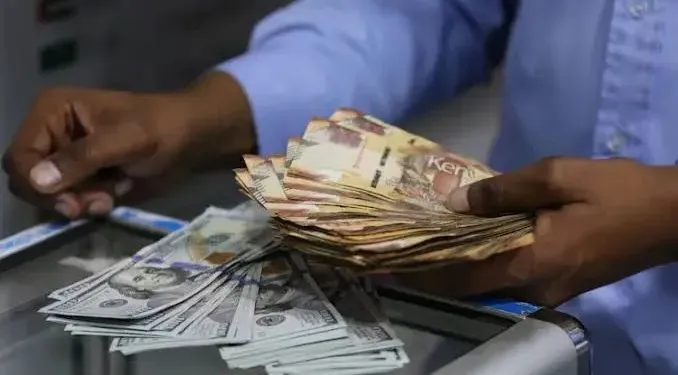
Kenyans depositing money into Savings and Credit Cooperative Societies (Saccos) may soon face tougher questions about where their funds come from, as the government moves to tighten its grip on money laundering under a proposed law.
The Anti-Money Laundering and Combating Terrorism Financing Laws (Amendment) Bill, 2025, tabled on March 4 by National Assembly Majority Leader Kimani Ichung’wa, aims to bolster Kenya’s efforts to shed its “grey list” status with the global financial watchdog, the Financial Action Task Force (FATF).
The bill expands the roster of institutions tasked with policing dirty money, bringing bodies like the Sacco Societies Regulatory Authority (Sasra), the Betting Control and Licensing Board, and even the Directorate of Mining into the fold.
For Sacco members, this could mean scrutiny over deposits exceeding a yet-to-be-set threshold, with Sasra likely requiring proof of legitimate fund sources.
“This Bill seeks to address technical compliance deficiencies identified by the Eastern and Southern Africa Anti-Money Laundering Group and FATF,” the legislation states, signaling Kenya’s urgency to meet international standards.
Kenya landed on the FATF grey list on February 23, 2024, flagged for weak safeguards against money laundering and terrorist financing.
The watchdog has since pressed for a “risk-based” approach, a shift from Kenya’s current rigid rules to ongoing monitoring of financial risks. The bill responds directly to this, aiming to plug gaps in a financial system vulnerable to illicit flows.
Beyond Saccos, the legislation casts a wide net. Cash deals in precious metals and stones over $15,000 (Sh1.9 million) will fall under the Directorate of Mining’s watch, a surprising inclusion highlighting the breadth of the crackdown.
Other regulators, like the Institute of Certified Public Accountants and the Estate Agents Registration Board, will also step up oversight in their sectors.
This isn’t the government’s only move. New rules effective June 18, 2025, under the Income Tax (Charitable Organisations and Donations Exemption) Rules of 2024, will bar charities from hoarding more than 15% of their funds for three years without spending on charitable causes—another bid to curb financial misuse.
Meanwhile, a 2024 deal with the Law Society of Kenya turns lawyers into watchdogs, reporting suspicious transactions, and March 2024 regulations threaten banks and officials with Sh20 million fines or 20-year jail terms for mishandling terror-linked funds.
The stakes are high. Kenya’s grey-listing has rattled investor confidence and complicated global financial ties. “Kenya will work to improve risk-based supervision of financial institutions and adopt frameworks for virtual assets,” the FATF noted in its 2024 report, a roadmap the bill seeks to follow.
For Sacco members, long a backbone of grassroots savings and loans, the changes could bring added paperwork and delays.
Critics worry it might dent trust in these community institutions, though proponents argue it’s a necessary price to clean up the economy.
As the bill heads to debate, Kenya’s fight against dirty money is entering a decisive phase—one that could reshape how millions save and spend.
Kenya Insights allows guest blogging, if you want to be published on Kenya’s most authoritative and accurate blog, have an expose, news TIPS, story angles, human interest stories, drop us an email on [email protected] or via Telegram












Karua Detained at Entebbe as Uganda Blocks Besigye Lawyer From Entering Country

How KCB and Airtel Turned Kenya’s Unbanked Into a Data Goldmine Behind a ‘Financial Inclusion’ Deal

The Chivayo Network: How a Convicted Fraudster Won Access to Presidents, Passports and Billion-Dollar Deals Across Africa

BURRIED TWICE: The Victoria Bank CEO Yogesh Pattni Files

Court Stops Transfer Of EABL Shares To Asahi By Diageo In A Fresh Snag

Death Before Justice: Stephen Ngei, Victim of Sh180 Million Laptop Tender Scam Linked to Allan Chesang, Killed in Highway Crash

Court Brands Sh1.1 Billion Fee Demand by Lawyer Victor Swanya “Excessive and Exorbitant,” Exposes How City Hall Lets Public Money Bleed Through Legal Bills

Trump Unveils New Air Force One

MR. NO SHOW: Finance Bill 2026 Exposes Ndindi Nyoro’s Political Conmanship

Billionaire Eric Muli Rebukes Musalia Mudavadi Over Nairobi Capital Relocation Debate

Businessman Philip Waithaka Kinuthia’s Minor Son Allegedly Drove Drunk, Killed Two Peponi Students in Ngong Road Horror Crash as Claims of Cover-Up Intensify

Inside NCBA’s Decline: How a Banking Giant Lost Its Strategic Edge

Cement, Cash and Courts: How the Hashu Dynasty Crushed the Ramji Brothers for Fourteen Years and Why the Walls Are Now Closing In

Standard Chartered Ghosts Haunt Joshua Oigara At Stanbic As Whistleblower Spills Beans

South Sudan: Adut Salva Kiir’s Shadow Treasury Exposed

Inside The Urban Planning Cartel That Owns Nairobi

THE VULTURE AND THE SCHEME How Nairobi West Hospital Became the Most Dangerous Institution in Kenya’s SHA Ecosystem and Why the Books Must Be Audited Now

How Adil Popat Saved His Empire On The Eve Of Imperial Bank Collapse and Why Kenya’s Mainstream Media Buried The Story

The President’s Daughter and The Missing Witness: How Adut Salva Kiir’s Shadow Treasury Silenced Its Most Dangerous Critic

Why John Ngumi Is Running From the EACC and Why the Sh415 Million Payday May Be the Least of His Worries
-
 News1 week ago
Businessman Philip Waithaka Kinuthia’s Minor Son Allegedly Drove Drunk, Killed Two Peponi Students in Ngong Road Horror Crash as Claims of Cover-Up Intensify
-
 Business2 weeks ago
Inside NCBA’s Decline: How a Banking Giant Lost Its Strategic Edge
-
 Business2 weeks ago
Standard Chartered Ghosts Haunt Joshua Oigara At Stanbic As Whistleblower Spills Beans
-
 Africa2 weeks ago
South Sudan: Adut Salva Kiir’s Shadow Treasury Exposed
-
 Investigations4 days ago
THE VULTURE AND THE SCHEME How Nairobi West Hospital Became the Most Dangerous Institution in Kenya’s SHA Ecosystem and Why the Books Must Be Audited Now
-
 Business1 week ago
How Adil Popat Saved His Empire On The Eve Of Imperial Bank Collapse and Why Kenya’s Mainstream Media Buried The Story
-
 Africa2 weeks ago
The President’s Daughter and The Missing Witness: How Adut Salva Kiir’s Shadow Treasury Silenced Its Most Dangerous Critic
-
 Business2 weeks ago
Why John Ngumi Is Running From the EACC and Why the Sh415 Million Payday May Be the Least of His Worries