
Economy
Kenya Power Has Paid Sh90bn To Private Electricity Producer Since 2010

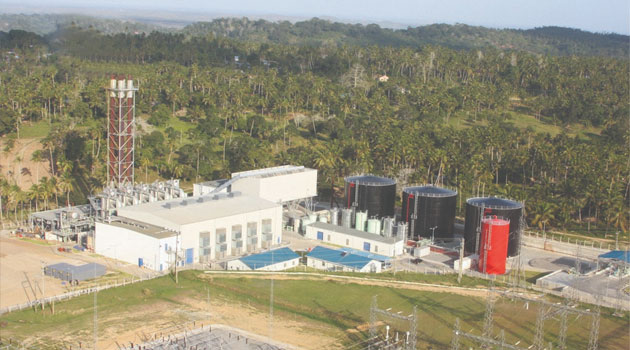
NAIROBI, Kenya, Sep 15 – The government has paid Sh90 billion to electricity generator Rabai Power since singing a Power Purchase Agreement (PPA) with Kenya Power, the sole electricity distributor, in 2010.
While appearing before the National Assembly Committee on Energy, Rabai Power Finance Manager Zablon Okwoku revealed that the company charges Sh8 per kilowatt as a variable charge excluding fuel and other related costs.
The meeting was convened by lawmakers who expressed concern over the amount charged by Rabai Power saying Kenya Electricity Generating Company (KenGen) which produces about 75 pe rcent of electricity consumed in the country, is much cheaper.
“Energy charge is 0.0063 Euros per kilowatts hour, excess starts are 394 Euros per start, and the fuel charge varies from time to time between Sh8-12 per kilowatt hour,” Okwoku said.
He was hard pressed by members of the committee led by Garissa Township MP Aden Duale to explain why the company received Sh2.6 billion capacity charge from Kenya Power in the 2019/2020 financial year.
“You are paid 2.6 billion shillings even in the previous years. Why were you paid that money? You are paid that money and what Kenya Power does is that it transfers that payment it has given you to the ordinary Kenyan’s bill. This is why electricity bills are very high in this country,” Duale stated.
His sentiments were echoed by Gem MP Elisha Odhiambo who termed the 20-year deal between Kenya Power and Rabai as “total theft.”
“Why would you keep fuel and wait to give back fuel when you are closing the plant? It looks like there is an insider business in this company. Capacity charge is hot air because they are paid for supplying nothing,” Odhiambo retorted.
Kenya Insights allows guest blogging, if you want to be published on Kenya’s most authoritative and accurate blog, have an expose, news TIPS, story angles, human interest stories, drop us an email on [email protected] or via Telegram









Two MPs Defrauded of Sh93.5 Million in Karen Land Scam

Gachagua Rejects Sh50 Million Court Compensation, Calls It An Insult

Ghost Firm, Ghost Justice: Two Judges Fingered In KETRACO’S Sh10 Billion Scandal

SH2 BILLION HEIST EXPOSED: How Tatu City’s Foreign Masters Used Dirty Offshore Traps, London Arbitration & Mauritius Liquidation to Strip Local Investors of Their Stake

Dimba Accused of Extorting Bank Executives in Escalating Feud

Humiliated, Handed Sh1,000 and Sent Away: Furious Residents Return Nathif Jama’s Money, Accuse Governor of Arrogance and Inhumane Treatment of Sick Woman

ICC’s Karim Khan Suspended Over Sexual Misconduct Claims

The Conquest of Tatu City, A New Zealander Story

VANISHING ACT: How China Jiangxi International Pocketed Billions in Kenyan Public Contracts, Then Walked Away

THE GROUP CHAT THAT BROKE THE CARTEL: How Kenya’s Biggest Mattress Firms Used WhatsApp to Fix Your Prices, Then Used It to Destroy Themselves

Cement, Cash and Courts: How the Hashu Dynasty Crushed the Ramji Brothers for Fourteen Years and Why the Walls Are Now Closing In

Inside The Urban Planning Cartel That Owns Nairobi

Why Ruto’s Favourite Candidate Adan Mohammed Could Be Locked Out of the KRA Top Job

LifeCare on the Brink: SHA Fraud, Stolen Wages, and the Rotten Empire Jayesh Saini Built

Este Medical Kenya Fights American’s Explosive Complaints

Betika Faces DCI Probe, Directors Arrest and License Revocation Over Massive 29.5 Million Safaricom Customers’ Data Breach

The Rot Inside Absa: How Bank Insiders Are Looting Nairobi’s Customers

Inside FAFSA Fraud: How Kenyan Cybercriminals Siphoned Millions from America’s Sh12 Billion Student Loan System

Fresh Move Launched to Remove Kenya Railways MD Mainga From Office After Awarding Sh817 Million Consultancy Contract

Court Confirms Safaricom Customers Data Was Sold To Betting Companies In Seven-Year Cover-Up
-
 Investigations5 days ago
Cement, Cash and Courts: How the Hashu Dynasty Crushed the Ramji Brothers for Fourteen Years and Why the Walls Are Now Closing In
-
 Investigations4 days ago
Inside The Urban Planning Cartel That Owns Nairobi
-
 Investigations1 week ago
Betika Faces DCI Probe, Directors Arrest and License Revocation Over Massive 29.5 Million Safaricom Customers’ Data Breach
-
 Investigations5 days ago
Fresh Move Launched to Remove Kenya Railways MD Mainga From Office After Awarding Sh817 Million Consultancy Contract
-

 News2 weeks ago
Eight Students Arrested In Kenya After Suspected Deadly School Arson Attack
-
 News1 week ago
How Uhuru’s Deal With Obama In 2015 Paved Way For America’s Ebola Plan In Kenya
-

 Investigations2 weeks ago
The Invisible Hand: Al Jazeera Further Exposes How Safaricom Became The Regime’s Most Powerful Spy
-

 Business6 days ago
TRUST BETRAYED: How Senior DTB Bank Insiders Allegedly Looted Sh149 Million From a Customer’s Account Over Five Years