
Africa
Saudi-Qatar Condemnation of Sudan Parallel Government Deals Blow to Ruto Amid Regional Diplomacy Struggles

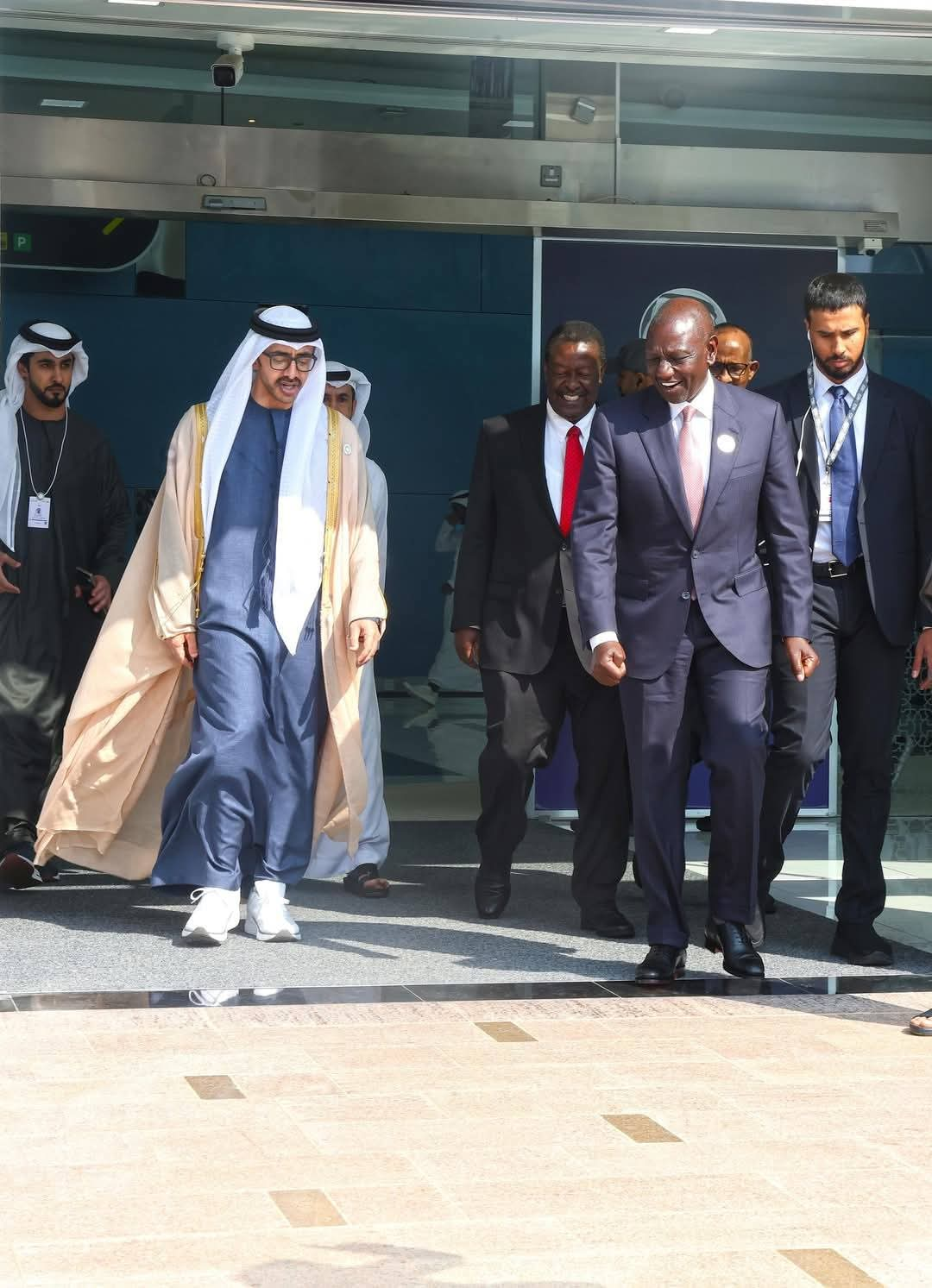
In a significant diplomatic setback for Kenyan President William Ruto, Saudi Arabia and Qatar—two of Kenya’s most critical Middle Eastern partners—have forcefully condemned efforts to establish a parallel government in Sudan led by the paramilitary Rapid Support Forces (RSF).
The rebuke undermines Kenya’s months-long support for the RSF-led initiative and exposes fractures in Ruto’s strategy to position Nairobi as a regional peacemaker.
The RSF, accused by the U.S. of committing genocide in Darfur, signed a controversial charter in Nairobi on June 25 alongside factions of the Sudan People’s Liberation Movement-North (SPLM-N).
The agreement aimed to create a secular, decentralized state governed from rebel-held territories, challenging Sudan’s internationally recognized military regime.
While Kenya has defended the charter as a pathway to stability, Saudi Arabia and Qatar this weekend denounced it as a destabilizing “illegitimate step” that risks fragmenting Sudan.
Saudi-Qatar Unity Against Kenyan-Backed Plan
In rare alignment, both Gulf powers issued statements rejecting external interference in Sudan and urging adherence to the Jeddah Declaration—a Saudi-U.S. brokered ceasefire framework from May 2023.
Saudi Arabia emphasized support for Sudan’s “official institutions,” while Qatar warned against “division” and called for inclusive dialogue.
Their stance directly contradicts Kenya’s tacit endorsement of the RSF’s parallel governance model, which critics argue legitimizes a group implicated in atrocities.
The Gulf states’ intervention carries weight: Saudi Arabia and Qatar are pivotal economic partners for Kenya, with bilateral trade exceeding $1.2 billion annually, largely in oil imports and infrastructure investments.
Riyadh’s Vision 2030 projects in Kenya and Qatar’s role as a key LNG supplier further amplify the stakes. Analysts suggest their disapproval could strain economic ties if Nairobi persists in backing the RSF.
Ruto’s Risky Gambit Backfires
President Ruto has positioned Kenya as a mediator in Sudan’s conflict, leveraging its role in the Intergovernmental Authority on Development (IGAD).
However, his government’s willingness to host RSF-linked talks has drawn scrutiny. The Nairobi charter signing, notably absent of RSF commander Mohamed Hamdan Daglo, was seen as an attempt to legitimize the paramilitary group’s territorial control.
“Kenya’s approach is now backfiring,” said Adjoa Anyimadu, a Horn of Africa analyst at Chatham House. “By aligning with the RSF, Ruto has alienated not just Sudan’s military but also powerful Gulf partners who prioritize stability over fragmentation.”
The U.S. determination of RSF-led genocide in Darfur and the UN’s warning that the charter risks “worsening” Sudan’s crisis further isolate Kenya. With Egypt and the UAE backing Sudan’s military regime, Ruto’s strategy appears increasingly untenable.
Regional Fallout and Economic Implications
The Gulf states’ condemnation complicates Kenya’s diplomatic balancing act. Saudi Arabia’s emphasis on the Jeddah Declaration—which Kenya initially supported—highlights contradictions in Nairobi’s stance.
Meanwhile, Qatar’s call for “inclusive dialogue” undermines Kenya’s bet on a factional solution.
Domestically, opposition figures have seized on the rift. “Ruto’s foreign policy is in disarray,” said Eugene Wamalwa, a former Defence cabinet secretary. “He’s jeopardizing strategic alliances for a flawed Sudan strategy.”
While Kenya’s Foreign Ministry has yet to respond publicly, insiders suggest a recalibration may be inevitable. “The Gulf’s message is clear: drop the RSF or face consequences,” a Nairobi-based diplomat told The EastAfrican.
The crisis underscores the fragility of Ruto’s ambitions to elevate Kenya as a continental power broker. With Sudan’s army advancing on Khartoum and the RSF seeking international legitimacy, Nairobi’s isolation risks diminishing its influence in IGAD and African Union forums.
As pressure mounts, Ruto faces a choice: double down on a controversial alliance or pivot to salvage relations with Riyadh and Doha. Either way, the blow from the Gulf marks a pivotal moment in his presidency—one where regional diplomacy and economic pragmatism collide.
Kenya Insights allows guest blogging, if you want to be published on Kenya’s most authoritative and accurate blog, have an expose, news TIPS, story angles, human interest stories, drop us an email on [email protected] or via Telegram


Fraud, Misrepresentation and A Decade Of Evasion: How Indo Africa Finance Pocketed Sh150 Million Youth Funds and Fought To Keep Every Cent

Kenya Picks Chinese Firm For Sh375 Billion JKIA Upgrade Project After Adani Fallout

The President’s Daughter and The Missing Witness: How Adut Salva Kiir’s Shadow Treasury Silenced Its Most Dangerous Critic

Kisii Under Siege: Governor Arati’s Wife Accused of Hijacking IFMIS and Running a Parallel Government

Al-Shabaab Issues Statement Defending Omar Artan, Accuses U.S. of Discrimination After Referee’s Deportation

Netanyahu To Run For Re-Election, His Party Says, After Trump Raises Doubts

US Cracks Down on Birth Tourism Schemes

Microsoft Limits Employee Use Of Anthropic’s Claude Fable 5 Over Data Retention Concerns, The Verge Reports

Standard Chartered Ghosts Haunt Joshua Oigara At Stanbic As Whistleblower Spills Beans

Caleb Amisi Says Linda Mwananchi Has Lost Direction, Announces Plans To Form A New Movement

Cement, Cash and Courts: How the Hashu Dynasty Crushed the Ramji Brothers for Fourteen Years and Why the Walls Are Now Closing In

Inside The Urban Planning Cartel That Owns Nairobi

Why Ruto’s Favourite Candidate Adan Mohammed Could Be Locked Out of the KRA Top Job

LifeCare on the Brink: SHA Fraud, Stolen Wages, and the Rotten Empire Jayesh Saini Built

Betika Faces DCI Probe, Directors Arrest and License Revocation Over Massive 29.5 Million Safaricom Customers’ Data Breach

Este Medical Kenya Fights American’s Explosive Complaints

The Rot Inside Absa: How Bank Insiders Are Looting Nairobi’s Customers

Fresh Move Launched to Remove Kenya Railways MD Mainga From Office After Awarding Sh817 Million Consultancy Contract

Inside FAFSA Fraud: How Kenyan Cybercriminals Siphoned Millions from America’s Sh12 Billion Student Loan System

Court Confirms Safaricom Customers Data Was Sold To Betting Companies In Seven-Year Cover-Up
-
 Investigations7 days ago
Cement, Cash and Courts: How the Hashu Dynasty Crushed the Ramji Brothers for Fourteen Years and Why the Walls Are Now Closing In
-
 Investigations5 days ago
Inside The Urban Planning Cartel That Owns Nairobi
-
 Investigations1 week ago
Betika Faces DCI Probe, Directors Arrest and License Revocation Over Massive 29.5 Million Safaricom Customers’ Data Breach
-
 Investigations7 days ago
Fresh Move Launched to Remove Kenya Railways MD Mainga From Office After Awarding Sh817 Million Consultancy Contract
-

 News2 weeks ago
Eight Students Arrested In Kenya After Suspected Deadly School Arson Attack
-
 News2 weeks ago
How Uhuru’s Deal With Obama In 2015 Paved Way For America’s Ebola Plan In Kenya
-

 Business1 week ago
TRUST BETRAYED: How Senior DTB Bank Insiders Allegedly Looted Sh149 Million From a Customer’s Account Over Five Years
-

 Investigations5 days ago
Why Drivers Cheered Bolt’s Reported Exit: Inside the Slow Financial Strangulation of Thousands of Kenyan Drivers and Riders in Kenya