
World
Russia Moves To Block WhatsApp In Messaging App Crackdown
WhatsApp said the move aims to push more than 100 million of its app users in Russia.

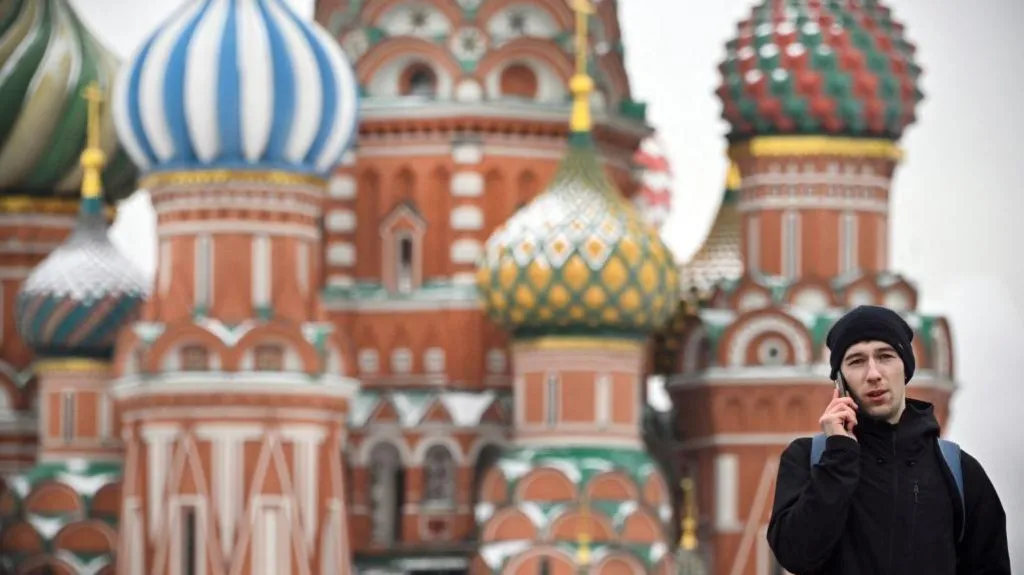
Russia has “attempted to fully block” WhatsApp in the country, the company said, as the Kremlin continues to tighten restrictions on messaging apps.
Meta-owned WhatsApp said the move aims to push more than 100 million of its app users in Russia to a “state-owned surveillance app”.
This comes after Russian regulators further curbed access to Telegram, citing a lack of security. Telegram is estimated to have as many users as WhatsApp in Russia.
The Kremlin did not immediately respond to a request for comment from the BBC.
“Trying to isolate over 100 million users from private and secure communication is a backwards step and can only lead to less safety for people in Russia,” said WhatsApp in a statement.
“We continue to do everything we can to keep users connected.”
Russia’s communications regulator, the Roskomnadzor, has made repeated warnings to WhatsApp to comply with local law.
State-owned Tass Media reported earlier this year that WhatsApp is expected to be permanently blocked in the country in 2026.
“Such harsh measures” are “absolutely justified” since Russia has designated Meta as an extremist organisation, Andrei Svintsov, a Russian official, was quoted as saying.
Since that designation in 2022, Meta apps like Instagram and Facebook have been blocked in Russia and are only accessible through virtual private networks.
Moscow has made extensive efforts to push Russians to a state-developed communications platform called Max.
The app has been likened to China’s WeChat – a so-called “super app” that combines messaging and government services, but without encryption.
Russia has argued that both WhatsApp and Telegram have refused to store Russian users’ data in the country as required by law.
Since 2025, the authorities have mandated that the Max app be pre-installed on all new devices sold in the country. Public sector employees, teachers and students have been required to use the platform.
Telegram’s chief executive, Russian-born businessman Pavel Durov, said the state is restricting access to its service in an attempt to force its people to use its own app for surveillance and political censorship.
Iran has tried a similar strategy to ban Telegram and push its people to a state-run alternative, but citizens have found ways to work around this, he wrote online.
“Restricting citizens’ freedom is never the right answer,” said Durov.
Kenya Insights allows guest blogging, if you want to be published on Kenya’s most authoritative and accurate blog, have an expose, news TIPS, story angles, human interest stories, drop us an email on [email protected] or via Telegram


Karua Detained at Entebbe as Uganda Blocks Besigye Lawyer From Entering Country

How KCB and Airtel Turned Kenya’s Unbanked Into a Data Goldmine Behind a ‘Financial Inclusion’ Deal

The Chivayo Network: How a Convicted Fraudster Won Access to Presidents, Passports and Billion-Dollar Deals Across Africa

BURRIED TWICE: The Victoria Bank CEO Yogesh Pattni Files

Court Stops Transfer Of EABL Shares To Asahi By Diageo In A Fresh Snag

Death Before Justice: Stephen Ngei, Victim of Sh180 Million Laptop Tender Scam Linked to Allan Chesang, Killed in Highway Crash

Court Brands Sh1.1 Billion Fee Demand by Lawyer Victor Swanya “Excessive and Exorbitant,” Exposes How City Hall Lets Public Money Bleed Through Legal Bills

Trump Unveils New Air Force One

MR. NO SHOW: Finance Bill 2026 Exposes Ndindi Nyoro’s Political Conmanship

Billionaire Eric Muli Rebukes Musalia Mudavadi Over Nairobi Capital Relocation Debate

Businessman Philip Waithaka Kinuthia’s Minor Son Allegedly Drove Drunk, Killed Two Peponi Students in Ngong Road Horror Crash as Claims of Cover-Up Intensify

Inside NCBA’s Decline: How a Banking Giant Lost Its Strategic Edge

Cement, Cash and Courts: How the Hashu Dynasty Crushed the Ramji Brothers for Fourteen Years and Why the Walls Are Now Closing In

Standard Chartered Ghosts Haunt Joshua Oigara At Stanbic As Whistleblower Spills Beans

South Sudan: Adut Salva Kiir’s Shadow Treasury Exposed

Inside The Urban Planning Cartel That Owns Nairobi

THE VULTURE AND THE SCHEME How Nairobi West Hospital Became the Most Dangerous Institution in Kenya’s SHA Ecosystem and Why the Books Must Be Audited Now

How Adil Popat Saved His Empire On The Eve Of Imperial Bank Collapse and Why Kenya’s Mainstream Media Buried The Story

The President’s Daughter and The Missing Witness: How Adut Salva Kiir’s Shadow Treasury Silenced Its Most Dangerous Critic

Why John Ngumi Is Running From the EACC and Why the Sh415 Million Payday May Be the Least of His Worries
-
 News1 week ago
Businessman Philip Waithaka Kinuthia’s Minor Son Allegedly Drove Drunk, Killed Two Peponi Students in Ngong Road Horror Crash as Claims of Cover-Up Intensify
-
 Business2 weeks ago
Inside NCBA’s Decline: How a Banking Giant Lost Its Strategic Edge
-
 Business2 weeks ago
Standard Chartered Ghosts Haunt Joshua Oigara At Stanbic As Whistleblower Spills Beans
-
 Africa2 weeks ago
South Sudan: Adut Salva Kiir’s Shadow Treasury Exposed
-
 Investigations4 days ago
THE VULTURE AND THE SCHEME How Nairobi West Hospital Became the Most Dangerous Institution in Kenya’s SHA Ecosystem and Why the Books Must Be Audited Now
-
 Business2 weeks ago
How Adil Popat Saved His Empire On The Eve Of Imperial Bank Collapse and Why Kenya’s Mainstream Media Buried The Story
-
 Africa2 weeks ago
The President’s Daughter and The Missing Witness: How Adut Salva Kiir’s Shadow Treasury Silenced Its Most Dangerous Critic
-
 Business2 weeks ago
Why John Ngumi Is Running From the EACC and Why the Sh415 Million Payday May Be the Least of His Worries