
Business
Lake Gas Faces Fresh Safety Crisis as Kenya Rejects Second LPG Cargo This Year
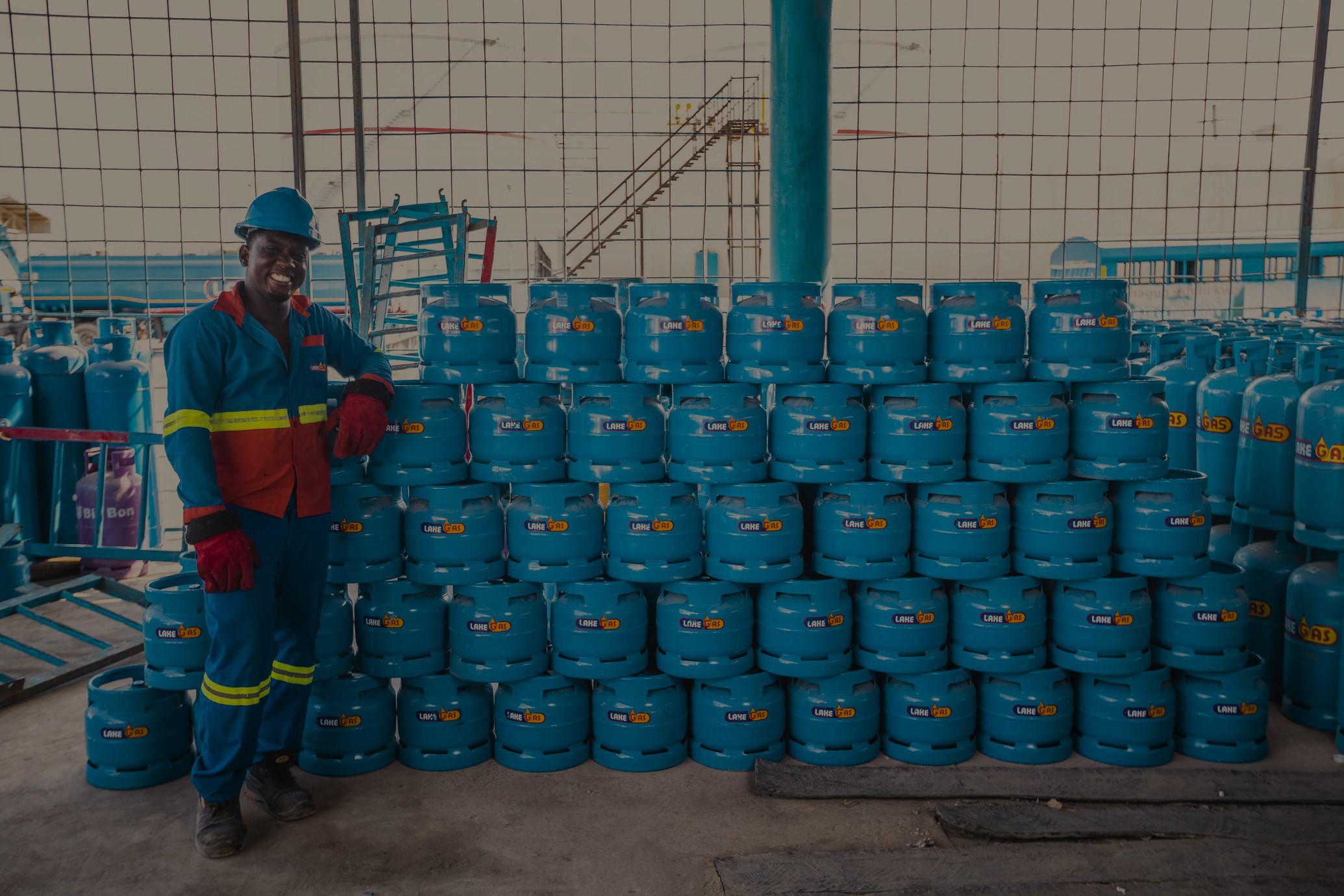
Laboratory tests conducted on samples from Tank 2 at Lake Gas Terminal in Vipingo, Kilifi County, revealed dangerous compositional imbalances that could pose significant risks to consumers.

Kenya’s Bureau of Standards has delivered another blow to Tanzanian cooking gas importer Lake Gas Limited, rejecting yet another cargo of liquefied petroleum gas after declaring it unsafe for public consumption.
The latest rejection, formalized on September 10, marks the second time in three months that Kebs has turned away Lake Gas shipments, raising serious questions about the company’s quality control systems and highlighting persistent safety concerns in Kenya’s LPG import sector.
Laboratory tests conducted on samples from Tank 2 at Lake Gas Terminal in Vipingo, Kilifi County, revealed dangerous compositional imbalances that could pose significant risks to consumers. The rejected cargo, sourced through a Sudanese trader, failed critical safety standards with butane levels registering at 75.53 percent against the mandatory minimum of 80 percent, while propane content exceeded acceptable limits at 24.22 percent.
Hassan Abdikadir, representing Kebs’ Coast region inspection manager, explained that the excess propane creates elevated vapor pressure, dramatically increasing the likelihood of gas leaks or cylinder ruptures during transportation and storage. This risk becomes particularly acute in Kenya’s hot climate conditions, where high temperatures can exacerbate pressure buildup in gas containers.
The insufficient butane content presents equally serious concerns, as it reduces combustion stability and leads to incomplete burning. This deficiency not only affects cooking efficiency but also increases carbon monoxide exposure in households, creating potential health hazards for millions of Kenyan families who rely on LPG for daily cooking needs.
The rejection follows a troubling pattern established earlier this year when Lake Gas faced similar scrutiny in June. That earlier incident involved over 12 million kilograms of LPG delivered via the vessel BarumK Gas, which was rejected due to inadequate levels of ethyl mercaptan, an odorant essential for detecting gas leaks.
Kebs officials note that the June rejection was particularly concerning as it involved the equivalent of two million six-kilogram cylinders, sufficient to supply 10 million households. Despite the official rejection, reports emerged of trucks being loaded with the unsafe gas, with at least one vehicle departing for Nairobi amid allegations of political interference.
The recurring safety failures at Lake Gas operations have prompted Kebs to issue stern warnings about the broader implications for Kenya’s clean energy objectives. The standards body expressed concern that repeated rejections of unsafe imports could undermine consumer confidence in LPG safety, potentially slowing household adoption of clean cooking solutions.
The rejected cargo poses risks extending far beyond domestic kitchens. With over 20 LPG fueling stations operating in Nairobi alone and thousands of Uber taxis running on LPG, substandard gas could create widespread safety hazards across the transport sector. Industrial users, including factories and processing plants that rely on LPG for operations, also face potential safety risks from compromised gas supplies.
Lake Gas now faces a critical seven-day window to request a review of the rejection decision. Should the company fail to challenge the ruling, it must re-export the entire consignment under Kebs supervision within 30 days, or face the prospect of having the cargo destroyed at its own expense.
The safety concerns extend beyond the gas composition to the terminal infrastructure itself. Kebs has previously flagged the Lake Gas Vipingo Terminal as unsuitable for handling such operations, citing the absence of a permanent jetty, protective breakwater, and proper offshore discharge zones.
For Lake Gas, the repeated rejections represent not just immediate financial losses but a growing credibility crisis that could affect its long-term operations in the East African market. The company’s ability to address these systemic quality control issues will likely determine its future role in Kenya’s expanding LPG sector.
As Kenya continues to promote clean cooking solutions to reduce reliance on traditional biomass fuels, the Lake Gas incidents serve as a stark reminder that safety standards cannot be compromised in the pursuit of energy accessibility goals.
Kenya Insights allows guest blogging, if you want to be published on Kenya’s most authoritative and accurate blog, have an expose, news TIPS, story angles, human interest stories, drop us an email on [email protected] or via Telegram


TOO MUCH PR, NOTHING TO SEE: How Gladys Wanga Built a Perfect Story of Transformation While Homa Bay Bled

Netanyahu Says Israel Must ‘Break Free from Dependence’ After Tensions With Trump Administration

Niger pulls Out Of International Criminal Court After Calling It Neo-Colonialist

Kenya Awards Sh154 Billion JKIA Upgrade Tender To Chinese Firm CRBC

The Untouchable: How KURA’s Silas Kinoti Has Survived A Decade Of Corruption Storms While Kenya’s Roads Bled

Fake Papers, Dirty Millions And The Analo Connect: How Kitisuru MCA Alvin Palapala Built a Shadow Empire Inside Nairobi’s Planning Machine

Migori Payment Row Deepens As Branding Firm Demands Sh3.8 Million Over Unpaid Piny Luo Festival Deal

Utumishi Girls Fire Suspects To Be Charged With Murder

Putin Says Russia Ready For Peace Talks With Ukraine Based on Anchorage, Istanbul Agreements

South Sudanese Must Give Adut Salva Kiir The Benefit Of The Doubt

Businessman Philip Waithaka Kinuthia’s Minor Son Allegedly Drove Drunk, Killed Two Peponi Students in Ngong Road Horror Crash as Claims of Cover-Up Intensify

Inside NCBA’s Decline: How a Banking Giant Lost Its Strategic Edge

South Sudan: Adut Salva Kiir’s Shadow Treasury Exposed

Cement, Cash and Courts: How the Hashu Dynasty Crushed the Ramji Brothers for Fourteen Years and Why the Walls Are Now Closing In

Standard Chartered Ghosts Haunt Joshua Oigara At Stanbic As Whistleblower Spills Beans

Inside The Urban Planning Cartel That Owns Nairobi

THE VULTURE AND THE SCHEME How Nairobi West Hospital Became the Most Dangerous Institution in Kenya’s SHA Ecosystem and Why the Books Must Be Audited Now

The President’s Daughter and The Missing Witness: How Adut Salva Kiir’s Shadow Treasury Silenced Its Most Dangerous Critic

How Adil Popat Saved His Empire On The Eve Of Imperial Bank Collapse and Why Kenya’s Mainstream Media Buried The Story

Why John Ngumi Is Running From the EACC and Why the Sh415 Million Payday May Be the Least of His Worries
-
 News1 week ago
Businessman Philip Waithaka Kinuthia’s Minor Son Allegedly Drove Drunk, Killed Two Peponi Students in Ngong Road Horror Crash as Claims of Cover-Up Intensify
-
 Africa2 weeks ago
South Sudan: Adut Salva Kiir’s Shadow Treasury Exposed
-
 Business2 weeks ago
Standard Chartered Ghosts Haunt Joshua Oigara At Stanbic As Whistleblower Spills Beans
-
 Investigations5 days ago
THE VULTURE AND THE SCHEME How Nairobi West Hospital Became the Most Dangerous Institution in Kenya’s SHA Ecosystem and Why the Books Must Be Audited Now
-
 Africa2 weeks ago
The President’s Daughter and The Missing Witness: How Adut Salva Kiir’s Shadow Treasury Silenced Its Most Dangerous Critic
-
 Business2 weeks ago
How Adil Popat Saved His Empire On The Eve Of Imperial Bank Collapse and Why Kenya’s Mainstream Media Buried The Story
-
 Business2 weeks ago
Why John Ngumi Is Running From the EACC and Why the Sh415 Million Payday May Be the Least of His Worries
-
 Business5 days ago
Inside the Billion-Shilling Betrayal: How Senior Treasury Officials Plundered a UN Poverty Fund and Built a Real Estate Empire on the Backs of Kenya’s Rural Poor