
News
Iran Denies Trump Claim Of Talks With US
In recent days, friendly countries sent messages indicating that the US had requested talks to end the war, but Iran had not responded, State news agency IRNA quoted the ministry spokesperson as saying.

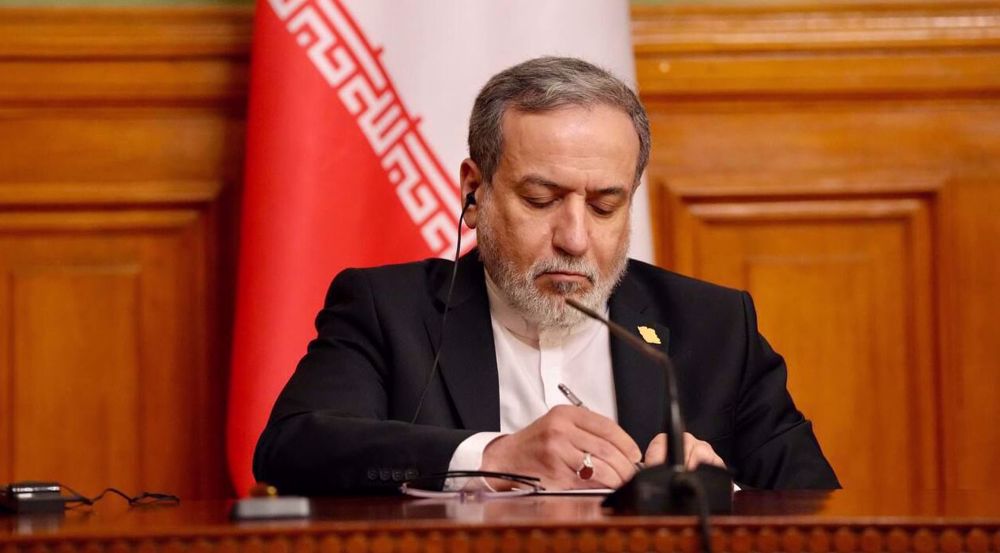
Iran’s foreign ministry spokesperson denied on Monday holding any talks with the US during the past 24 days, shortly after President Donald Trump said the two sides had found “major points of agreement” in the past few days.
In recent days, friendly countries sent messages indicating that the US had requested talks to end the war, but Iran had not responded, State news agency IRNA quoted the ministry spokesperson as saying.
US President Donald Trump said on Monday he had given instructions to postpone any military strikes against Iranian power plants for five days, just hours ahead of a deadline that threatened further escalation in the conflict now in its fourth week.
Trump said in a post on Truth Social that the US and Iran have had “very good and productive” conversations with Iran over the past two days about a “complete and total resolution of hostilities in the Middle East’.
In his message, written entirely in capital letters, he said he had instructed the defense department to postpone the strikes pending the outcome of current talks.
The price of the Brent crude oil benchmark LCOc1 was down around 7 percent near $104 at 1127 GMT.
On Saturday, Trump had warned that Iranian power plants would be destroyed if Tehran failed to “fully open” the Strait of Hormuz to all shipping within 48 hours. Trump set a deadline of around 7:44 p.m. EDT (2344 GMT) on Monday.
His comments sparked threats of retaliation from Iran’s Revolutionary Guards, which said in a statement on Monday they would attack Israel’s power plants and those supplying U.S. bases across the Gulf region if Trump followed through with his threat to “obliterate” Iran’s power network.
More than 2,000 people have been killed in the war the US and Israel launched on February 28, which has upended markets, driven up fuel costs, fuelled global inflation fears and convulsed the postwar Western alliance.
The threat of strikes on Gulf electricity grids raised fears of mass disruption to desalination for drinking water, and further rattled oil markets.
—Reuters
Kenya Insights allows guest blogging, if you want to be published on Kenya’s most authoritative and accurate blog, have an expose, news TIPS, story angles, human interest stories, drop us an email on [email protected] or via Telegram


How Adil Popat Saved His Empire On The Eve Of Imperial Bank Collapse and Why Kenya’s Mainstream Media Buried The Story

South Sudan: Adut Salva Kiir’s Shadow Treasury Exposed

Wajir North MP Ibrahim Abdi Dissatisfied With2026/27 Budget, Claims It Totally Excludes North Eastern Region

The Eldoret Tax Fortress: How David Langat Turned an Industrial Park Dream Into Kenya’s Most Sophisticated Domestic Tax Haven

Why John Ngumi Is Running From the EACC and Why the Sh415 Million Payday May Be the Least of His Worries

Shiquo Hii Style Store Was Not Raided, Anti-Counterfeit Authority Confirms; Says Influencer Used Empty Shelves for Content as She Relocates

Treasury CS Mbadi Unveils Sh4.8 Trillion Budget Estimates

Fraud, Misrepresentation and A Decade Of Evasion: How Indo Africa Finance Pocketed Sh150 Million Youth Funds and Fought To Keep Every Cent

Kenya Picks Chinese Firm For Sh375 Billion JKIA Upgrade Project After Adani Fallout

The President’s Daughter and The Missing Witness: How Adut Salva Kiir’s Shadow Treasury Silenced Its Most Dangerous Critic

Cement, Cash and Courts: How the Hashu Dynasty Crushed the Ramji Brothers for Fourteen Years and Why the Walls Are Now Closing In

Standard Chartered Ghosts Haunt Joshua Oigara At Stanbic As Whistleblower Spills Beans

Inside The Urban Planning Cartel That Owns Nairobi

Inside NCBA’s Decline: How a Banking Giant Lost Its Strategic Edge

Why Ruto’s Favourite Candidate Adan Mohammed Could Be Locked Out of the KRA Top Job

LifeCare on the Brink: SHA Fraud, Stolen Wages, and the Rotten Empire Jayesh Saini Built

Betika Faces DCI Probe, Directors Arrest and License Revocation Over Massive 29.5 Million Safaricom Customers’ Data Breach

Fresh Move Launched to Remove Kenya Railways MD Mainga From Office After Awarding Sh817 Million Consultancy Contract

Este Medical Kenya Fights American’s Explosive Complaints
South Sudan: Adut Salva Kiir’s Shadow Treasury Exposed
-
 Investigations1 week ago
Cement, Cash and Courts: How the Hashu Dynasty Crushed the Ramji Brothers for Fourteen Years and Why the Walls Are Now Closing In
-
 Business2 days ago
Standard Chartered Ghosts Haunt Joshua Oigara At Stanbic As Whistleblower Spills Beans
-
 Investigations1 week ago
Inside The Urban Planning Cartel That Owns Nairobi
-
 Business3 days ago
Inside NCBA’s Decline: How a Banking Giant Lost Its Strategic Edge
-
 Investigations2 weeks ago
Betika Faces DCI Probe, Directors Arrest and License Revocation Over Massive 29.5 Million Safaricom Customers’ Data Breach
-
 Investigations1 week ago
Fresh Move Launched to Remove Kenya Railways MD Mainga From Office After Awarding Sh817 Million Consultancy Contract
-
 Africa1 day ago
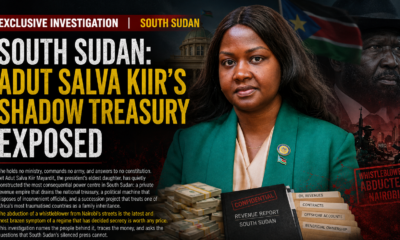
South Sudan: Adut Salva Kiir’s Shadow Treasury Exposed
-
 Africa2 days ago
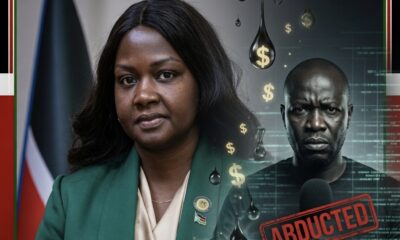
The President’s Daughter and The Missing Witness: How Adut Salva Kiir’s Shadow Treasury Silenced Its Most Dangerous Critic