
Investigations
How Rare Ants and Plants Became the New Gold for Wildlife Traffickers – KWS Exposes Million-Dollar Trade
Between 2020 and 2025, authorities intercepted 5,140 queen ants, nearly 74,000 kilograms of aloe gum, over 25,000 kilograms of sandalwood, 22 live tortoises, five snakes, a praying mantis, and even a swarm of bees.

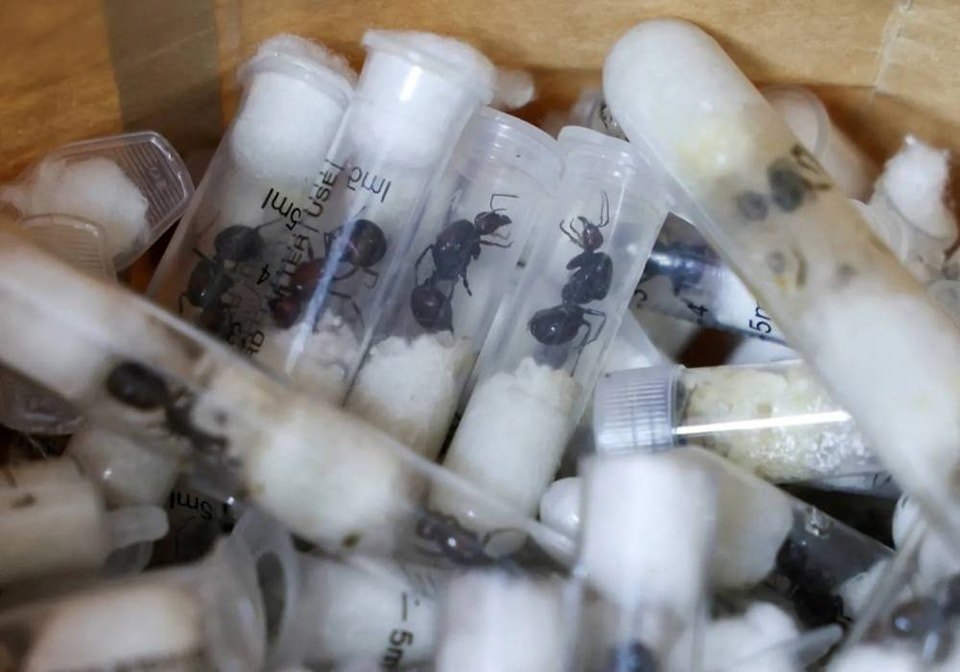
In a striking evolution of wildlife crime, traffickers are abandoning traditional targets like elephants and rhinos in favor of smaller, less conspicuous species that can yield remarkable profits with reduced risk of detection.
Kenya Wildlife Service (KWS) officials report that queen ants can command prices reaching Ksh176,148 (€1,200) each in European markets, making these insects increasingly attractive to international smuggling networks.
The lucrative nature of this trade was highlighted in a recent court case where four individuals—two Belgian nationals, a Vietnamese citizen, and a Kenyan accomplice—were fined $7,700 each after being caught attempting to smuggle approximately 5,440 live garden ants out of Kenya.

The consignment, valued at approximately Ksh1.2 million ($9,300), revealed the substantial financial incentives driving this emerging criminal enterprise.
“Today’s ruling sends an unequivocal message: Kenya will not tolerate the plunder of its biodiversity. Whether it’s an ant or an elephant, we will pursue traffickers relentlessly,” declared Erustus Kanga, Director General of KWS, following the court’s decision on Wednesday.
The convicted smugglers included Lornoy David and Seppe Lodewijckx from Belgium, Vietnamese national Duh Heng Nguyen, and Kenyan Dennis Nganga.
Though they claimed ignorance of the law or characterized their actions as hobbyist collecting, Magistrate Njeri Thuku dismissed these defenses, noting that possessing 5,000 queen ants “would be genocidal proportions” if applied to larger species.
Court documents revealed that David belonged to a group called “Ant Gang” and had initially purchased 2,500 queen ants for $200, suggesting connections to organized trafficking networks.
Nguyen was characterized by the court as a “mule or courier” in an operation bearing “all the hallmarks of illegal wildlife trade and possibly biopiracy.”

Relatives of Belgian nationals Lornoy David and Seppe Lodewijckx react after the hearing of their case in Nairobi. /Monicah Mwangi/Reuters
Beyond Insects: The Widening Scope of Wildlife Crime
KWS records indicate a troubling diversification in illegal wildlife harvesting over the past five years.
Between 2020 and 2025, authorities intercepted 5,140 queen ants, nearly 74,000 kilograms of aloe gum, over 25,000 kilograms of sandalwood, 22 live tortoises, five snakes, a praying mantis, and even a swarm of bees.
Plant-based trafficking has proven particularly profitable.
In early 2025, authorities seized 15 tonnes of illegally harvested aloe gum in Samburu County, valued at approximately Ksh15 million ($116,000).
The substance, derived from aloe plants and commonly known as aloe latex or bitter aloe, fetches around Ksh200 per kilogram from large-scale dealers despite being outlawed in Kenya.
The material is prized for its applications in cosmetics, pharmaceuticals, and various industrial processes, creating strong demand in international black markets.
Conservation experts warn that the systematic removal of these species poses serious threats to Kenya’s ecosystems.
Queen ants, which are solely responsible for producing new generations of worker, soldier, and future queen ants, play a vital role in maintaining colony health.
Their loss can devastate ant populations that contribute to soil aeration, pest control, and forest regeneration.
The messor cephalotes ants involved in the recent smuggling case are described by KWS as “critical species in maintaining soil health and ecosystem balance.”
Similarly, plant species like aloe and sandalwood fulfill important ecological functions that can be disrupted by excessive harvesting.
Market Forces and Enforcement Challenges
The growing demand for exotic pets in Europe, Asia, and North America has transformed these species into valuable commodities.
In these markets, collectors maintain ant colonies in transparent vessels called formicariums to observe their behavior, with rare colonies commanding premium prices.
While Kenya does permit ant exports with proper licensing, experts note that navigating these regulations is complex, creating opportunities for illegal operators.
The KWS has announced plans to integrate advanced technologies and strengthen international partnerships to combat these evolving threats.
As wildlife traffickers continue to adapt their methods and targets, authorities face the challenge of protecting increasingly diverse aspects of Kenya’s natural heritage—from microscopic organisms to plants and insects that, while small, play outsized roles in maintaining ecological balance.
Kenya Insights allows guest blogging, if you want to be published on Kenya’s most authoritative and accurate blog, have an expose, news TIPS, story angles, human interest stories, drop us an email on [email protected] or via Telegram


Kenya Stops Work At The US-Linked Ebola Facility

‘The Polygamist’ Pirated Book Go On Sale in Nairobi Following Show Popularity

Justice Mong’are, the Machakos Injunction and the EABL-Asahi Questions Kenya Cannot Ignore

The EABL–Asahi Deal and the Growing Demand for Judicial Transparency

Samburu Governor Lati Lelelit Exposed For Paying Sh60 Million To Ghost Workers

THE GHOST AT ELYSEE PLAZA: How Ghanaian Businessman Erick Agbeko Built a Two-Decade Empire of Land Fraud in Kenya

Njuca Consolidated, Three Firms Faces Auction of 65 Properties Over Crippled Cash Flow

Why Absa Bank Is On The Spot For Enabling Sh150 Million Alleged Insider Fraud In Vetlab Club

Somalia’s Disputed President Allegedly Siphons Up to $6 Million Monthly from Kenyan Miraa Trade, Sharing the Spoils with Nairobi’s Shadow Cartels

Ahmed Adan Hefow: Governor Otuoma’s Trusted Right-Hand Man at the Centre of Busia’s Deepening Finance Scandal

Businessman Philip Waithaka Kinuthia’s Minor Son Allegedly Drove Drunk, Killed Two Peponi Students in Ngong Road Horror Crash as Claims of Cover-Up Intensify

Inside NCBA’s Decline: How a Banking Giant Lost Its Strategic Edge

South Sudan: Adut Salva Kiir’s Shadow Treasury Exposed

Cement, Cash and Courts: How the Hashu Dynasty Crushed the Ramji Brothers for Fourteen Years and Why the Walls Are Now Closing In

Standard Chartered Ghosts Haunt Joshua Oigara At Stanbic As Whistleblower Spills Beans

Inside The Urban Planning Cartel That Owns Nairobi

THE VULTURE AND THE SCHEME How Nairobi West Hospital Became the Most Dangerous Institution in Kenya’s SHA Ecosystem and Why the Books Must Be Audited Now

The President’s Daughter and The Missing Witness: How Adut Salva Kiir’s Shadow Treasury Silenced Its Most Dangerous Critic

How Adil Popat Saved His Empire On The Eve Of Imperial Bank Collapse and Why Kenya’s Mainstream Media Buried The Story

Why John Ngumi Is Running From the EACC and Why the Sh415 Million Payday May Be the Least of His Worries
-
 News1 week ago
Businessman Philip Waithaka Kinuthia’s Minor Son Allegedly Drove Drunk, Killed Two Peponi Students in Ngong Road Horror Crash as Claims of Cover-Up Intensify
-
 Business2 weeks ago
Inside NCBA’s Decline: How a Banking Giant Lost Its Strategic Edge
-
 Africa2 weeks ago
South Sudan: Adut Salva Kiir’s Shadow Treasury Exposed
-
 Business2 weeks ago
Standard Chartered Ghosts Haunt Joshua Oigara At Stanbic As Whistleblower Spills Beans
-
 Investigations5 days ago
THE VULTURE AND THE SCHEME How Nairobi West Hospital Became the Most Dangerous Institution in Kenya’s SHA Ecosystem and Why the Books Must Be Audited Now
-
 Africa2 weeks ago
The President’s Daughter and The Missing Witness: How Adut Salva Kiir’s Shadow Treasury Silenced Its Most Dangerous Critic
-
 Business2 weeks ago
How Adil Popat Saved His Empire On The Eve Of Imperial Bank Collapse and Why Kenya’s Mainstream Media Buried The Story
-
 Business2 weeks ago
Why John Ngumi Is Running From the EACC and Why the Sh415 Million Payday May Be the Least of His Worries