
News
Hackers Infiltrate Judiciary’s Digital System, Locking Out Staff and Disrupting Cases
Suspects who have paid cash bail remain locked up because release orders cannot be processed.

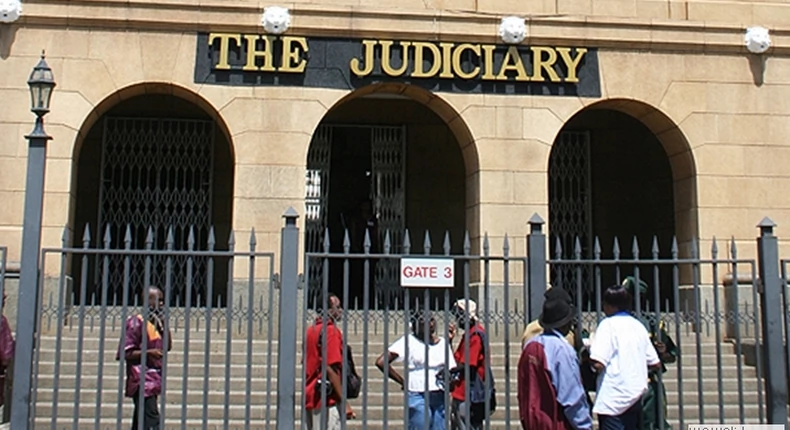
Cyber attack on Case Tracking System coincides with controversial IEBC ruling, raising questions about judicial independence
Kenya’s judiciary faces a crisis of confidence following a sophisticated cyber attack that has crippled its digital infrastructure for nearly a week, leaving criminal suspects stranded in custody and raising serious questions about the timing and motives behind the breach.
The Judiciary’s Case Tracking System (CTS) was compromised shortly before midnight on July 9, just hours after a three-judge bench cleared the path for the gazettement and swearing-in of Independent Electoral and Boundaries Commission (IEBC) officials.
The timing has sparked speculation about whether the attack was politically motivated to prevent legal challenges to the court’s decision.
Chief Registrar Winfrida Mokaya downplayed the severity of the breach in a Monday statement, describing it as “intermittent access issues due to external interference” rather than acknowledging a full system takeover.
Her careful language contrasts sharply with accounts from judiciary staff who describe a complete shutdown of critical systems.
“We were expecting them [hackers] to release it back after the commissioners were sworn in, but it wasn’t back on Friday,” said one judiciary employee, speaking anonymously.
“Today we came to work very confident that we would find it restored because it was being worked on over the weekend, but it is not yet back.”
The attack has created a humanitarian crisis within Kenya’s criminal justice system.
Suspects who have paid cash bail remain locked up because release orders cannot be processed.
Traffic offenders and petty criminals face indefinite detention, unable to pay fines through the compromised system.
One matatu driver, released on bail by Makongeni police station, revealed the desperate choices facing accused persons: “I know a warrant has been issued against me because I declined to walk into the courtroom on Friday to take a plea. I knew I would remain in prison for a long time after pleading guilty because the system won’t allow me to pay the fines the same day.”
Mokaya claims alternative channels remain operational, citing 282 urgent applications received through official court email addresses and 2,256 criminal cases filed during the outage.
However, these workarounds cannot process payments or generate release orders, effectively creating a two-tier justice system where only non-criminal matters can proceed normally.
The attack exposes critical vulnerabilities in Kenya’s digital judiciary infrastructure.
Despite claims of swift technical response, the system showed only partial restoration on Sunday, working for just one hour on Monday before failing again.
This suggests either sophisticated persistent malware or attackers retaining system access.
Sources within the judiciary suspect “pro-government operatives” orchestrated the timing to prevent stay applications against the IEBC ruling.
The attack’s precision – targeting the CTS while leaving other systems partially functional – indicates detailed knowledge of judicial operations rather than opportunistic hacking.
The breach raises broader questions about cybersecurity across Kenya’s critical infrastructure.
As government services increasingly digitize, the judiciary attack demonstrates how cyber warfare can paralyze essential public services and undermine constitutional rights.
With the system still compromised nearly a week later, Kenya’s judiciary faces mounting pressure to restore services while investigating whether this represents a new frontier in political interference with judicial independence.
The attack’s timing and sophisticated nature suggest this may be more than a simple technical failure – it could represent a dangerous escalation in efforts to manipulate Kenya’s justice system.
As suspects remain in custody without recourse and court operations limp along with makeshift solutions, the full cost of this cyber attack extends far beyond technical disruption to strike at the heart of Kenya’s rule of law.
Kenya Insights allows guest blogging, if you want to be published on Kenya’s most authoritative and accurate blog, have an expose, news TIPS, story angles, human interest stories, drop us an email on [email protected] or via Telegram


Karua Detained at Entebbe as Uganda Blocks Besigye Lawyer From Entering Country

How KCB and Airtel Turned Kenya’s Unbanked Into a Data Goldmine Behind a ‘Financial Inclusion’ Deal

The Chivayo Network: How a Convicted Fraudster Won Access to Presidents, Passports and Billion-Dollar Deals Across Africa

BURRIED TWICE: The Victoria Bank CEO Yogesh Pattni Files

Court Stops Transfer Of EABL Shares To Asahi By Diageo In A Fresh Snag

Death Before Justice: Stephen Ngei, Victim of Sh180 Million Laptop Tender Scam Linked to Allan Chesang, Killed in Highway Crash

Court Brands Sh1.1 Billion Fee Demand by Lawyer Victor Swanya “Excessive and Exorbitant,” Exposes How City Hall Lets Public Money Bleed Through Legal Bills

Trump Unveils New Air Force One

MR. NO SHOW: Finance Bill 2026 Exposes Ndindi Nyoro’s Political Conmanship

Billionaire Eric Muli Rebukes Musalia Mudavadi Over Nairobi Capital Relocation Debate

Businessman Philip Waithaka Kinuthia’s Minor Son Allegedly Drove Drunk, Killed Two Peponi Students in Ngong Road Horror Crash as Claims of Cover-Up Intensify

Inside NCBA’s Decline: How a Banking Giant Lost Its Strategic Edge

Cement, Cash and Courts: How the Hashu Dynasty Crushed the Ramji Brothers for Fourteen Years and Why the Walls Are Now Closing In

Standard Chartered Ghosts Haunt Joshua Oigara At Stanbic As Whistleblower Spills Beans

South Sudan: Adut Salva Kiir’s Shadow Treasury Exposed

Inside The Urban Planning Cartel That Owns Nairobi

THE VULTURE AND THE SCHEME How Nairobi West Hospital Became the Most Dangerous Institution in Kenya’s SHA Ecosystem and Why the Books Must Be Audited Now

How Adil Popat Saved His Empire On The Eve Of Imperial Bank Collapse and Why Kenya’s Mainstream Media Buried The Story

The President’s Daughter and The Missing Witness: How Adut Salva Kiir’s Shadow Treasury Silenced Its Most Dangerous Critic

Why John Ngumi Is Running From the EACC and Why the Sh415 Million Payday May Be the Least of His Worries
-
 News1 week ago
Businessman Philip Waithaka Kinuthia’s Minor Son Allegedly Drove Drunk, Killed Two Peponi Students in Ngong Road Horror Crash as Claims of Cover-Up Intensify
-
 Business2 weeks ago
Inside NCBA’s Decline: How a Banking Giant Lost Its Strategic Edge
-
 Business2 weeks ago
Standard Chartered Ghosts Haunt Joshua Oigara At Stanbic As Whistleblower Spills Beans
-
 Africa2 weeks ago
South Sudan: Adut Salva Kiir’s Shadow Treasury Exposed
-
 Investigations4 days ago
THE VULTURE AND THE SCHEME How Nairobi West Hospital Became the Most Dangerous Institution in Kenya’s SHA Ecosystem and Why the Books Must Be Audited Now
-
 Business2 weeks ago
How Adil Popat Saved His Empire On The Eve Of Imperial Bank Collapse and Why Kenya’s Mainstream Media Buried The Story
-
 Africa2 weeks ago
The President’s Daughter and The Missing Witness: How Adut Salva Kiir’s Shadow Treasury Silenced Its Most Dangerous Critic
-
 Business2 weeks ago
Why John Ngumi Is Running From the EACC and Why the Sh415 Million Payday May Be the Least of His Worries