
Africa
Co-op Bank, UNDP Launch Push to Modernise Rural Banking in South Sudan

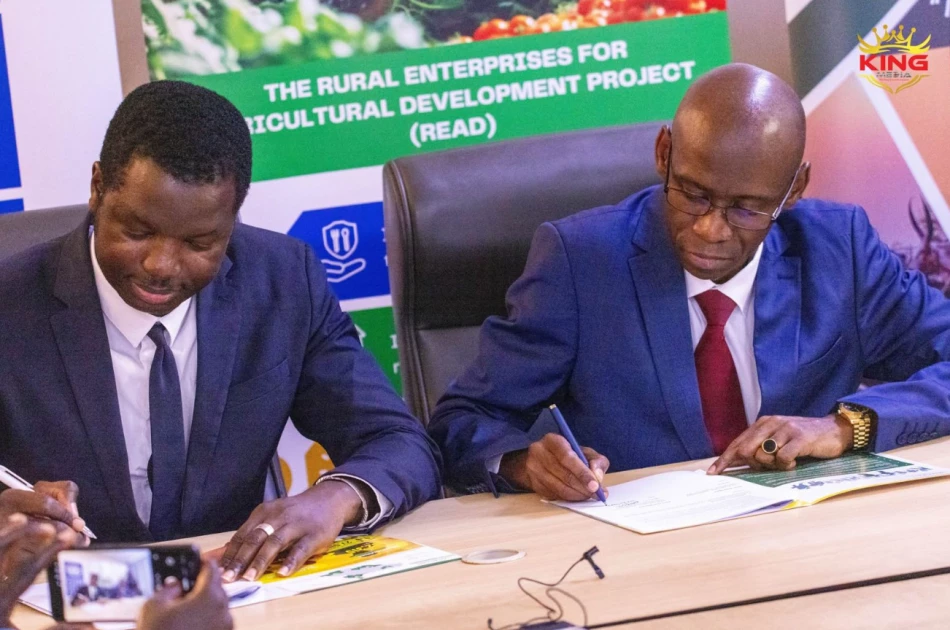
Co-operative Bank of South Sudan has entered into a new partnership with the United Nations Development Programme in what officials describe as one of the most ambitious efforts yet to overhaul rural finance in the young nation.
The agreement, nested within the Rural Enterprise and Agricultural Development project, seeks to bring thousands of smallholder farmers, women-owned enterprises, and youth-led agribusinesses into the formal banking system—many for the first time.
Caroline Mwongera, the country director for the UN’s International Fund for Agricultural Development, said the partnership signals a decisive shift in how rural finance will be delivered across South Sudan. She described the initiative as a move that “represents a transformational step in strengthening South Sudan’s rural financial systems,” adding that the programme will lean heavily on credit access, cooperative development, and financial literacy to drive long-term agricultural and community growth.
IFAD has already injected 20 million dollars into the programme, with the government of South Sudan, UNDP, Co-operative Bank, and local communities contributing additional resources that push the total funding past 25 million dollars. The investment targets at least 162,000 people in seven counties, with women expected to account for half of the beneficiaries and youth making up nearly 70 per cent.
In vast rural areas where formal banking remains almost non-existent, farmers often travel for hours to reach the nearest banking hall. Many rely on informal savings groups or handwritten loan agreements, while their produce is sold in unstructured markets that leave them vulnerable to middlemen. Officials say these gaps have kept farmers in cycles of low productivity and poor market access.
Evans Kenyi Solomon, a technical adviser at the Ministry of Agriculture, said strengthening cooperatives will be key to breaking those cycles. He argued that empowering youth and women must be central to any lasting reform. “Youth and women empowerment is not a side agenda. It is the engine that drives peace, prosperity, and resilience in this country,” he said, noting that cooperatives help farmers negotiate better prices, bulk-purchase inputs, and build shared storage infrastructure after harvest.
Co-operative Bank’s managing director, Elijah Wamalwa, said the partnership is the culmination of years of planning between development partners and the banking sector. He called the launch “an important step” in expanding financial access to places long ignored by formal lenders. Wamalwa said the bank intends to introduce rural credit products that respond to local realities and extend services to counties where farmers have traditionally relied on cash economies. “We want a future where a farmer in Nimule or Torit can access credit as easily as someone in Juba,” he said.
Part of the rollout will include agency banking and a mobile-based platform designed for low-connectivity environments, allowing farmers to save, borrow, and receive payments without travelling long distances.
UNDP deputy representative and senior economist Ligane Sene said the partnership also aligns with broader national goals of reducing dependence on oil revenue and diversifying the economy through agriculture. He said enabling farmers to work in organised groups would unlock economies of scale that could move South Sudan from chronic food imports to sustained food self-sufficiency. Sene added that the digital innovations embedded in the programme, including a national payment system, could help rural areas gradually transition toward a cashless economy.
The partners say implementation will begin immediately, with community-based financial institutions expected to play a central role in the shift to modern banking. For many rural farmers, the initiative could mark the first real opportunity to access secure financial services—an opening they hope will lift incomes, stabilise markets, and build resilience in a country still recovering from years of conflict.
Kenya Insights allows guest blogging, if you want to be published on Kenya’s most authoritative and accurate blog, have an expose, news TIPS, story angles, human interest stories, drop us an email on [email protected] or via Telegram


Migori Payment Row Deepens As Branding Firm Demands Sh3.8 Million Over Unpaid Piny Luo Festival Deal

Utumishi Girls Fire Suspects To Be Charged With Murder

Putin Says Russia Ready For Peace Talks With Ukraine Based on Anchorage, Istanbul Agreements

South Sudanese Must Give Adut Salva Kiir The Benefit Of The Doubt

Kenya Stops Work At The US-Linked Ebola Facility

‘The Polygamist’ Pirated Book Go On Sale in Nairobi Following Show Popularity

Justice Mong’are, the Machakos Injunction and the EABL-Asahi Questions Kenya Cannot Ignore

The EABL–Asahi Deal and the Growing Demand for Judicial Transparency

Samburu Governor Lati Lelelit Exposed For Paying Sh60 Million To Ghost Workers

THE GHOST AT ELYSEE PLAZA: How Ghanaian Businessman Erick Agbeko Built a Two-Decade Empire of Land Fraud in Kenya

Businessman Philip Waithaka Kinuthia’s Minor Son Allegedly Drove Drunk, Killed Two Peponi Students in Ngong Road Horror Crash as Claims of Cover-Up Intensify

Inside NCBA’s Decline: How a Banking Giant Lost Its Strategic Edge

South Sudan: Adut Salva Kiir’s Shadow Treasury Exposed

Cement, Cash and Courts: How the Hashu Dynasty Crushed the Ramji Brothers for Fourteen Years and Why the Walls Are Now Closing In

Standard Chartered Ghosts Haunt Joshua Oigara At Stanbic As Whistleblower Spills Beans

Inside The Urban Planning Cartel That Owns Nairobi

THE VULTURE AND THE SCHEME How Nairobi West Hospital Became the Most Dangerous Institution in Kenya’s SHA Ecosystem and Why the Books Must Be Audited Now

The President’s Daughter and The Missing Witness: How Adut Salva Kiir’s Shadow Treasury Silenced Its Most Dangerous Critic

How Adil Popat Saved His Empire On The Eve Of Imperial Bank Collapse and Why Kenya’s Mainstream Media Buried The Story

Why John Ngumi Is Running From the EACC and Why the Sh415 Million Payday May Be the Least of His Worries
-
 News1 week ago
Businessman Philip Waithaka Kinuthia’s Minor Son Allegedly Drove Drunk, Killed Two Peponi Students in Ngong Road Horror Crash as Claims of Cover-Up Intensify
-
 Business2 weeks ago
Inside NCBA’s Decline: How a Banking Giant Lost Its Strategic Edge
-
 Africa2 weeks ago
South Sudan: Adut Salva Kiir’s Shadow Treasury Exposed
-
 Business2 weeks ago
Standard Chartered Ghosts Haunt Joshua Oigara At Stanbic As Whistleblower Spills Beans
-
 Investigations5 days ago
THE VULTURE AND THE SCHEME How Nairobi West Hospital Became the Most Dangerous Institution in Kenya’s SHA Ecosystem and Why the Books Must Be Audited Now
-
 Africa2 weeks ago
The President’s Daughter and The Missing Witness: How Adut Salva Kiir’s Shadow Treasury Silenced Its Most Dangerous Critic
-
 Business2 weeks ago
How Adil Popat Saved His Empire On The Eve Of Imperial Bank Collapse and Why Kenya’s Mainstream Media Buried The Story
-
 Business2 weeks ago
Why John Ngumi Is Running From the EACC and Why the Sh415 Million Payday May Be the Least of His Worries