
Lifestyle
Alarming: Nairobi Now Leads With Highest Number of New HIV Infections Nationwide
Young women in cities are nearly twice as likely to acquire HIV as their male counterparts.

Nairobi County has overtaken traditional hotspots to record the highest number of new HIV infections in Kenya, raising fresh concerns about the epidemic’s evolving dynamics in urban centres.
The capital city registered 3,045 new infections in 2024, surpassing counties in the Lake Victoria region that have historically borne the heaviest burden of the disease.
The revelation comes as Kenya grapples with a 19 per cent increase in new HIV infections nationally, with cases rising from 16,752 in 2023 to 19,991 in 2024, according to the latest Kenya HIV Estimates report released by the National Syndemic Disease Control Council on Sunday.
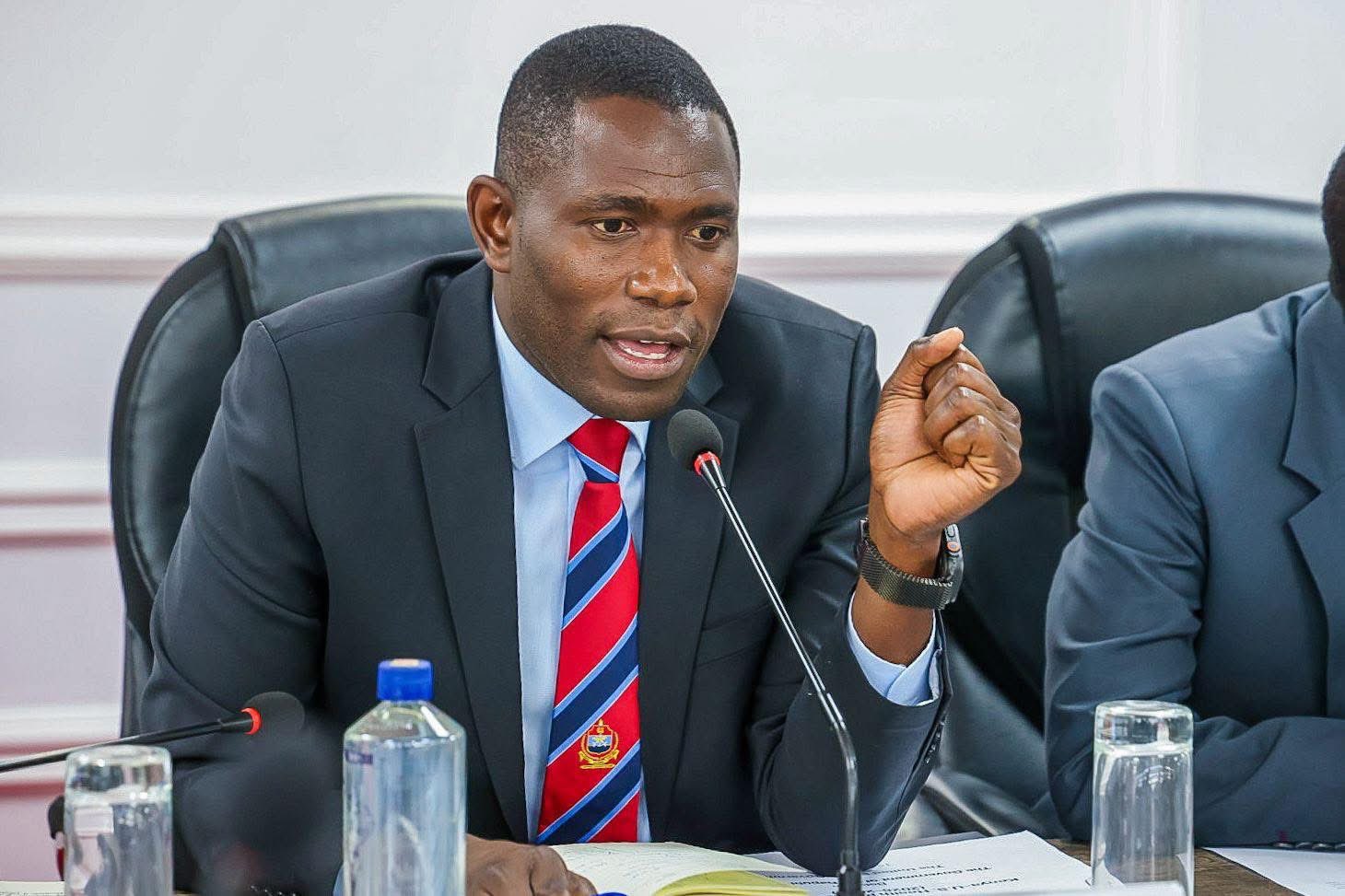
Health Principal Secretary Ouma Oluga described the situation as a wake-up call for the country’s HIV response strategy.
“Nairobi’s position as the leading source of new infections underscores the need for urgent, differentiated interventions that address the unique risks present in urban settings,” Dr Oluga said during the report’s launch.
The data reveals a troubling concentration of new infections, with ten counties accounting for 60 per cent of all new HIV cases nationally.
Behind Nairobi, Migori County recorded 1,572 new infections while Kisumu registered 1,341.
The traditional hotspots of Homa Bay, Busia, Siaya, Kakamega, Nakuru, Mombasa, and Bungoma complete the list of high-burden counties.
Health experts attribute Nairobi’s leading position to a confluence of factors unique to the capital’s dense urban environment.
The city’s large mobile population, active commercial sex trade, numerous entertainment venues, and influx of economic migrants create conditions that fuel HIV transmission.
Research has shown that urban centres with high population density and economic migration often experience increased sexual network turnover and higher transmission risks.
Young people aged 15 to 34 continue to bear the brunt of new infections, forming the majority of cases.
Women remain disproportionately affected, with the national HIV prevalence standing at 4.0 per cent among females compared to 2.0 per cent among males. Overall, Kenya’s HIV prevalence stands at 3.0 per cent.
The report further reveals that 1,326,336 Kenyans were living with HIV as of 2024, including 62,798 children. Alarmingly, AIDS-related deaths increased to 21,007 in 2024 from 18,473 the previous year, representing a rise that health officials say reflects gaps in early diagnosis, treatment adherence, and retention in care.
“AIDS-related deaths, recorded at 21,007 in 2024, remind us of the need for renewed focus on early diagnosis, treatment adherence, and retention in care,” Dr Oluga emphasised.
The concentration of infections in Nairobi presents unique challenges for prevention efforts.
Informal settlements, which house a significant proportion of the city’s population, are particularly vulnerable.
Studies have shown that poverty, limited access to healthcare, high rates of transactional sex, and barriers to education combine to create heightened HIV risk in these areas.
Among adolescent girls and young women living in urban informal settlements, factors such as early pregnancy, inability to complete secondary education, and engagement in transactional sex to meet basic needs significantly increase vulnerability to HIV infection.
Young women in cities are nearly twice as likely to acquire HIV as their male counterparts.
Key populations including female sex workers, men who have sex with men, and people who inject drugs face additional layers of risk compounded by stigma, discrimination, and criminalization that limit their access to prevention and treatment services.
Despite the troubling increase in new infections in the high-burden counties, the report noted encouraging progress in other regions.
Twelve counties, including Elgeyo-Marakwet, Wajir, Mandera, Kisii, Machakos, Kericho, Uasin Gishu, Nakuru, Bomet, Baringo, Trans-Nzoia and Laikipia, recorded a 75 per cent drop in new infections.
Nationally, Kenya has achieved a 52 per cent decrease in new HIV infections since 2013, demonstrating the impact of sustained prevention efforts including voluntary medical male circumcision, pre-exposure prophylaxis programmes, and expanded access to antiretroviral therapy.
The NSDCC emphasised that the persistent regional disparities highlighted by the data call for differentiated, county-led interventions tailored to local epidemic dynamics.
For Nairobi, this means addressing the specific drivers of urban transmission including improving access to HIV testing and prevention services in informal settlements, scaling up targeted interventions for key populations, and strengthening sexual and reproductive health services for young people.
Health officials stress that achieving equitable epidemic control will require sustained commitment, increased investment in prevention programmes, and innovative approaches that reach the most vulnerable populations where they live and work.
The findings come as Kenya works toward meeting global targets to end AIDS as a public health threat by 2030, a goal that will require dramatically reducing new infections while ensuring universal access to treatment for those already living with the virus.
Kenya Insights allows guest blogging, if you want to be published on Kenya’s most authoritative and accurate blog, have an expose, news TIPS, story angles, human interest stories, drop us an email on [email protected] or via Telegram


Karua Detained at Entebbe as Uganda Blocks Besigye Lawyer From Entering Country

How KCB and Airtel Turned Kenya’s Unbanked Into a Data Goldmine Behind a ‘Financial Inclusion’ Deal

The Chivayo Network: How a Convicted Fraudster Won Access to Presidents, Passports and Billion-Dollar Deals Across Africa

BURRIED TWICE: The Victoria Bank CEO Yogesh Pattni Files

Court Stops Transfer Of EABL Shares To Asahi By Diageo In A Fresh Snag

Death Before Justice: Stephen Ngei, Victim of Sh180 Million Laptop Tender Scam Linked to Allan Chesang, Killed in Highway Crash

Court Brands Sh1.1 Billion Fee Demand by Lawyer Victor Swanya “Excessive and Exorbitant,” Exposes How City Hall Lets Public Money Bleed Through Legal Bills

Trump Unveils New Air Force One

MR. NO SHOW: Finance Bill 2026 Exposes Ndindi Nyoro’s Political Conmanship

Billionaire Eric Muli Rebukes Musalia Mudavadi Over Nairobi Capital Relocation Debate

Businessman Philip Waithaka Kinuthia’s Minor Son Allegedly Drove Drunk, Killed Two Peponi Students in Ngong Road Horror Crash as Claims of Cover-Up Intensify

Inside NCBA’s Decline: How a Banking Giant Lost Its Strategic Edge

Cement, Cash and Courts: How the Hashu Dynasty Crushed the Ramji Brothers for Fourteen Years and Why the Walls Are Now Closing In

Standard Chartered Ghosts Haunt Joshua Oigara At Stanbic As Whistleblower Spills Beans

South Sudan: Adut Salva Kiir’s Shadow Treasury Exposed

Inside The Urban Planning Cartel That Owns Nairobi

THE VULTURE AND THE SCHEME How Nairobi West Hospital Became the Most Dangerous Institution in Kenya’s SHA Ecosystem and Why the Books Must Be Audited Now

How Adil Popat Saved His Empire On The Eve Of Imperial Bank Collapse and Why Kenya’s Mainstream Media Buried The Story

The President’s Daughter and The Missing Witness: How Adut Salva Kiir’s Shadow Treasury Silenced Its Most Dangerous Critic

Why John Ngumi Is Running From the EACC and Why the Sh415 Million Payday May Be the Least of His Worries
-
 News1 week ago
Businessman Philip Waithaka Kinuthia’s Minor Son Allegedly Drove Drunk, Killed Two Peponi Students in Ngong Road Horror Crash as Claims of Cover-Up Intensify
-
 Business2 weeks ago
Inside NCBA’s Decline: How a Banking Giant Lost Its Strategic Edge
-
 Business2 weeks ago
Standard Chartered Ghosts Haunt Joshua Oigara At Stanbic As Whistleblower Spills Beans
-
 Africa1 week ago
South Sudan: Adut Salva Kiir’s Shadow Treasury Exposed
-
 Investigations3 days ago
THE VULTURE AND THE SCHEME How Nairobi West Hospital Became the Most Dangerous Institution in Kenya’s SHA Ecosystem and Why the Books Must Be Audited Now
-
 Business1 week ago
How Adil Popat Saved His Empire On The Eve Of Imperial Bank Collapse and Why Kenya’s Mainstream Media Buried The Story
-
 Africa2 weeks ago
The President’s Daughter and The Missing Witness: How Adut Salva Kiir’s Shadow Treasury Silenced Its Most Dangerous Critic
-
 Business1 week ago
Why John Ngumi Is Running From the EACC and Why the Sh415 Million Payday May Be the Least of His Worries