
Americas
FACTBOX – What Sanctions Could Be Lifted Under New US-Iran Peace Deal?
As Washington and Tehran reach a new agreement, questions remain over which long-standing sanctions can be lifted

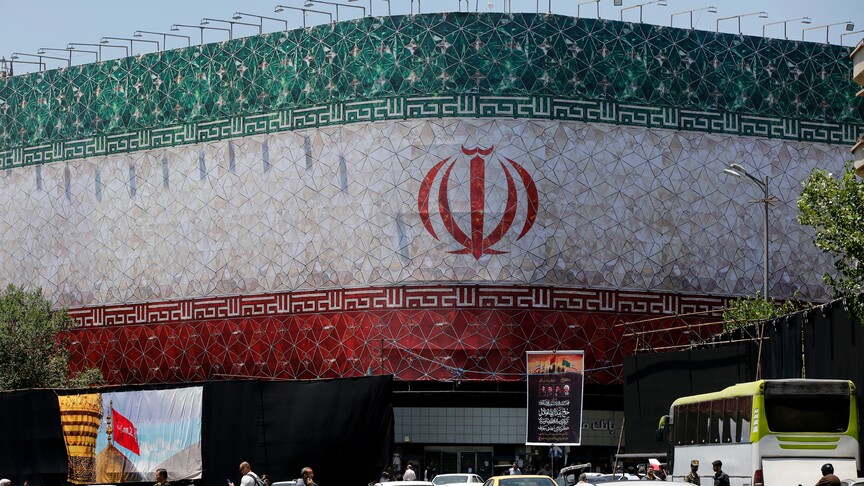
As the Iran-US agreed to a new peace deal on Sunday, questions are being raised on the lifting of sanctions and long-standing restrictions on Tehran.
US President Donald Trump announced on Sunday that an agreement with Iran had been finalized and that he was authorizing the reopening of the Strait of Hormuz and the removal of a US naval blockade.
The announcement triggered swift diplomatic reactions from European allies, with the UK, Germany, and Italy saying they would continue working closely with Washington, Tehran, and regional partners to maintain momentum toward a longer-term settlement.
They also signaled a willingness to ease relevant sanctions if Iran takes “clear, verifiable steps” regarding its nuclear program, stating in a joint statement that the country must never “acquire a nuclear weapon.”
According to an Iranian draft of the agreement reported by Mehr News Agency, the framework includes the suspension of sanctions on Iranian oil exports, petrochemicals, and related products, along with provisions granting Tehran access to financial proceeds from sales.
The draft also reportedly calls for the release of around $24 billion in frozen Iranian assets during an initial 60-day negotiation period, with half of the funds to be unlocked before formal final talks begin.
The final agreement would include the full lifting of US primary and secondary sanctions, as well as the termination of relevant UN Security Council and International Atomic Energy Agency Board of Governors resolutions.
While no details of sanctions relief have been officially released, US sanctions on Iran currently span several areas, including oil exports, banking, shipping, military activities, and nuclear-related programs.
According to the US government, the country has imposed restrictions on activities with Iran since 1979. It blocks Iranian government assets in the country, bans all trade with Iran, and prohibits foreign assistance and arms sales.
The US says that its sanctions are “the most extensive and comprehensive set of sanctions” that it maintains on any country, with thousands of persons, including Iranian and non-Iranian, designated for sanctions.
Apart from the primary sanctions, the US also maintains secondary sanctions, which target non-US companies and individuals that conduct business with Iran.
Oil and energy sanctions
The most economically significant restrictions target Iran’s oil industry, the country’s primary source of foreign currency revenue.
In 2012, then-US President Barack Obama imposed the tightest sanctions against Iran’s oil industry. These included Iranian crude exports, shipping networks, insurance providers, and foreign entities that purchase or transport Iranian oil.
In 2024, the Stop Harboring Iranian Petroleum Act, or the SHIP Act, was enacted, leading to sanctions against foreign persons that knowingly transport, process, refine, or otherwise deal in petroleum and petroleum products.
It was enacted to cripple Iran’s energy export revenues by targeting foreign entities and networks that transport, process, or sell Iranian oil.
Since the Iran war started on Feb. 28, the US has imposed a number of restrictions targeting the Iranian energy industry.
Its recent sanctions in May included eight vessels involved in transporting Iranian crude oil and petroleum products to global markets.
Earlier in April, the US Treasury Department said it sanctioned more than two dozen individuals, companies, and vessels connected to the network, as well as an alleged financier involved in exchanging Iranian oil for Venezuelan gold to benefit the Lebanese group Hezbollah and Iran’s Islamic Revolutionary Guard Corps (IRGC).
Financial restrictions & frozen assets
In 1995, then-US President Bill Clinton, under an executive order, established a comprehensive ban on all US investment and trade with Iran.
Due to US sanctions, Iran remains largely cut off from the global financial system due to US sanctions on major Iranian banks and financial institutions. In 2012, the US imposed unilateral sanctions against the Central Bank of Iran.
Iranian officials have repeatedly identified access to frozen funds as a key objective in negotiations.
While the exact amount of Iran’s frozen assets is unclear, official Iranian reports and experts have set the total amount of frozen Iranian assets overseas at more than $100 billion.
If the sanctions are relaxed, this could include restoring access to international banking channels, easing restrictions on cross-border transactions, and allowing the release of frozen Iranian assets held abroad.
Shipping and trade
US sanctions are also imposed on additional sectors of Iran’s economy, including shipping, construction, mining, textiles, automotive, and manufacturing.
In 2019, sanctions were imposed against Iran’s minerals and metals sectors.
According to the US government, the property of any person determined by the secretary of the Treasury and the secretary of state to be conducting business operations in the “iron, steel, aluminum, or copper sector of Iran” is blocked.
On Jan. 10, 2020, sanctions were imposed, targeting Iran’s construction, mining, manufacturing, and textile sectors, including asset freezes and denial of entry into the US for those operating in or providing support for these sectors.
Western sanctions also affect Iranian shipping companies, ports, and logistics networks.
Restrictions on maritime transport have complicated Iranian exports and imports, including non-oil trade.
The reopening of the Strait of Hormuz and the possible lifting of related maritime restrictions were highlighted by both US and Iranian officials following the announcement of the framework agreement.
Nuclear-related sanctions
Since 2005, the US has designated Iranian individuals, companies, and organizations for involvement in nuclear proliferation and ballistic missile development.
US sanctions on Iran also include arms trade to or from Iran, and many components of Iran’s government, including the former supreme leader and IRGC, as well as entities that conduct transactions with or otherwise support them.
The Joint Comprehensive Plan of Action (JCPOA) in 2015 had temporarily lifted nuclear-related economic restrictions in exchange for limits on enrichment. However, when the Trump administration withdrew from the JCPOA, it reimposed the sanctions.
However, significant differences remain between Washington and Tehran over what obligations Iran would undertake.
US officials have suggested the agreement could involve dismantling elements of Iran’s nuclear program, while Iranian officials have insisted that Tehran has not accepted any new nuclear commitments and that nuclear issues would be discussed in a separate phase of negotiations.
Kenya Insights allows guest blogging, if you want to be published on Kenya’s most authoritative and accurate blog, have an expose, news TIPS, story angles, human interest stories, drop us an email on [email protected] or via Telegram


FACTBOX – Key Provisions In Iran-US Draft Memorandum Of Understanding According To Iranian Media

FACTBOX – What Sanctions Could Be Lifted Under New US-Iran Peace Deal?

Politician Charged in Court for Defrauding Couple Sh1 Million in Botched Deputy President’s Office Tender Deal

After Ndegwa’s Controversial Reign, Vodacom Will Likely Name a Mzungu CEO Next To Clear The Mess Left

The Chairman’s Conflicts: How Adil Khawaja’s Boardroom Empire Compromised Safaricom’s Governance

Businessman Philip Waithaka Kinuthia’s Minor Son Allegedly Drove Drunk, Killed Two Peponi Students in Ngong Road Horror Crash as Claims of Cover-Up Intensify

Painted Into a Corner: Inside Crown Paints’ Sh791 Million Tanzania Gamble, the Shutdown of a Kenyan Factory, and a Sh244 Million Payday for the Boardroom

Shiquo wa Hii Styles Alleges Powerful Somali Cartel Used State Officials to Cripple Her Multi-Million Shoe Empire

Absa Bank Kenya Faces Mounting Internal Fraud Storm as Parliament Demands Answers Over Sh3 Million Vanishing From Customer Accounts

Secret Footage Reveals 500kg Zimbabwean Gold Smuggling Pipeline Into Kenya Linked to ‘Spiritual Son’ Networks

Inside NCBA’s Decline: How a Banking Giant Lost Its Strategic Edge

Cement, Cash and Courts: How the Hashu Dynasty Crushed the Ramji Brothers for Fourteen Years and Why the Walls Are Now Closing In

Standard Chartered Ghosts Haunt Joshua Oigara At Stanbic As Whistleblower Spills Beans

Inside The Urban Planning Cartel That Owns Nairobi

South Sudan: Adut Salva Kiir’s Shadow Treasury Exposed

Why Ruto’s Favourite Candidate Adan Mohammed Could Be Locked Out of the KRA Top Job

Why John Ngumi Is Running From the EACC and Why the Sh415 Million Payday May Be the Least of His Worries

Betika Faces DCI Probe, Directors Arrest and License Revocation Over Massive 29.5 Million Safaricom Customers’ Data Breach

The President’s Daughter and The Missing Witness: How Adut Salva Kiir’s Shadow Treasury Silenced Its Most Dangerous Critic
Businessman Philip Waithaka Kinuthia’s Minor Son Allegedly Drove Drunk, Killed Two Peponi Students in Ngong Road Horror Crash as Claims of Cover-Up Intensify
-
 Business6 days ago
Inside NCBA’s Decline: How a Banking Giant Lost Its Strategic Edge
-
 Investigations2 weeks ago
Cement, Cash and Courts: How the Hashu Dynasty Crushed the Ramji Brothers for Fourteen Years and Why the Walls Are Now Closing In
-
 Business5 days ago
Standard Chartered Ghosts Haunt Joshua Oigara At Stanbic As Whistleblower Spills Beans
-
 Investigations1 week ago
Inside The Urban Planning Cartel That Owns Nairobi
-
 Africa4 days ago
South Sudan: Adut Salva Kiir’s Shadow Treasury Exposed
-
 Business4 days ago
Why John Ngumi Is Running From the EACC and Why the Sh415 Million Payday May Be the Least of His Worries
-
 Africa5 days ago
The President’s Daughter and The Missing Witness: How Adut Salva Kiir’s Shadow Treasury Silenced Its Most Dangerous Critic
-
 News10 hours ago
Businessman Philip Waithaka Kinuthia’s Minor Son Allegedly Drove Drunk, Killed Two Peponi Students in Ngong Road Horror Crash as Claims of Cover-Up Intensify