
News
Albert Ojwang’s Family Speaks On Why They Accepted Ruto’s Sh2M and Why They’ve Delayed Burial
“We are waiting for the investigations to be completed before we can proceed with burial arrangements,” Opiyo stated firmly.

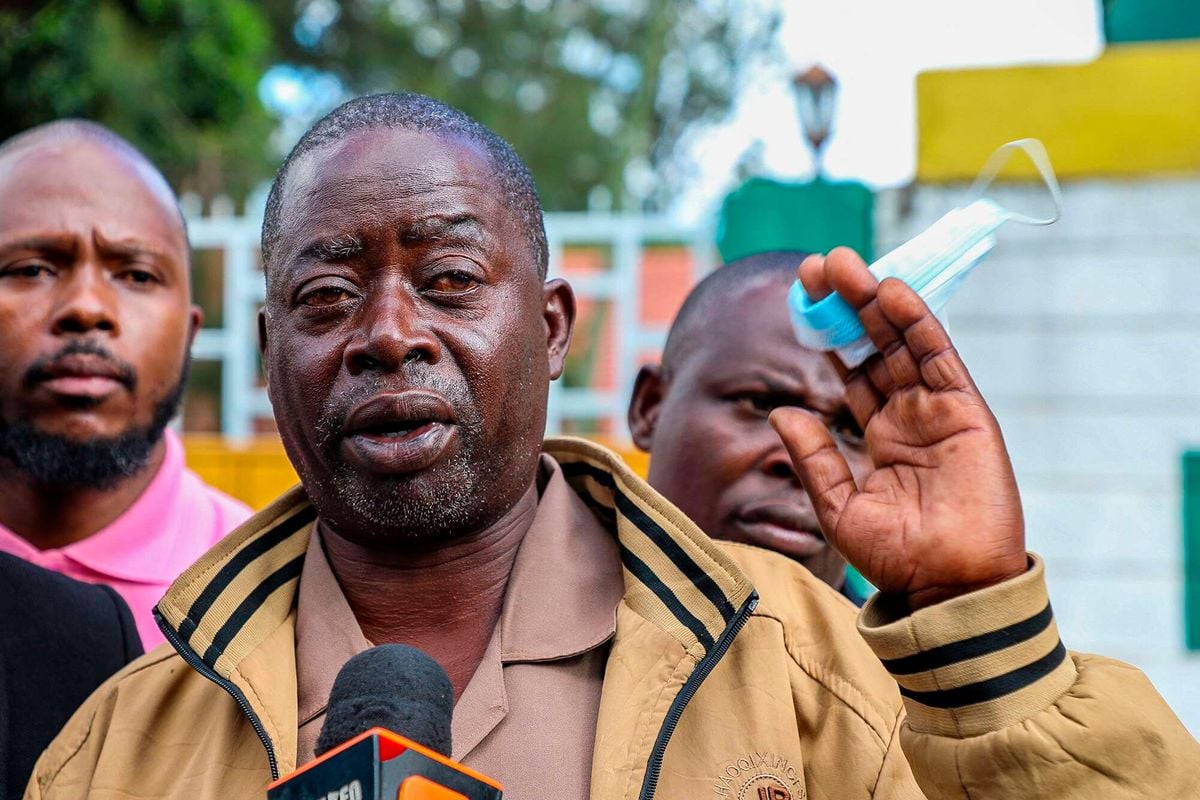
The family of Albert Ojwang, the blogger who died mysteriously in police custody at Nairobi’s Central Police Station, has broken their silence on two controversial decisions that have sparked public debate: accepting President William Ruto’s Sh2 million donation and delaying their son’s burial.
Speaking through family spokesperson Harman Opiyo in Nyawango, Homa Bay, the grieving family defended their acceptance of the presidential donation, arguing that it represented responsible leadership rather than political interference.
“President Ruto saw it necessary to comfort us, and as a family, we appreciate this gesture. It is his responsibility as a national leader to show concern,” Opiyo explained, addressing criticism from sections of Kenyans who accused the father of “siding with oppressors by accepting their monetary gifts.”
The family’s position reflects a nuanced understanding of the donation’s symbolic significance.
Rather than viewing it as hush money or political manipulation, they interpret President Ruto’s personal phone call to Meshack Ojwang, Albert’s father, as the actions of a “father of the nation” fulfilling his pastoral duties during a time of national tragedy.
Meshack Ojwang himself expressed gratitude for the support, stating: “I thank the President for taking up my son’s case as his own and standing with our family.”
The gesture was not limited to the current administration, as former Prime Minister Raila Odinga also called from abroad to offer condolences, suggesting a broader political consensus on the gravity of the situation.
Justice before burial
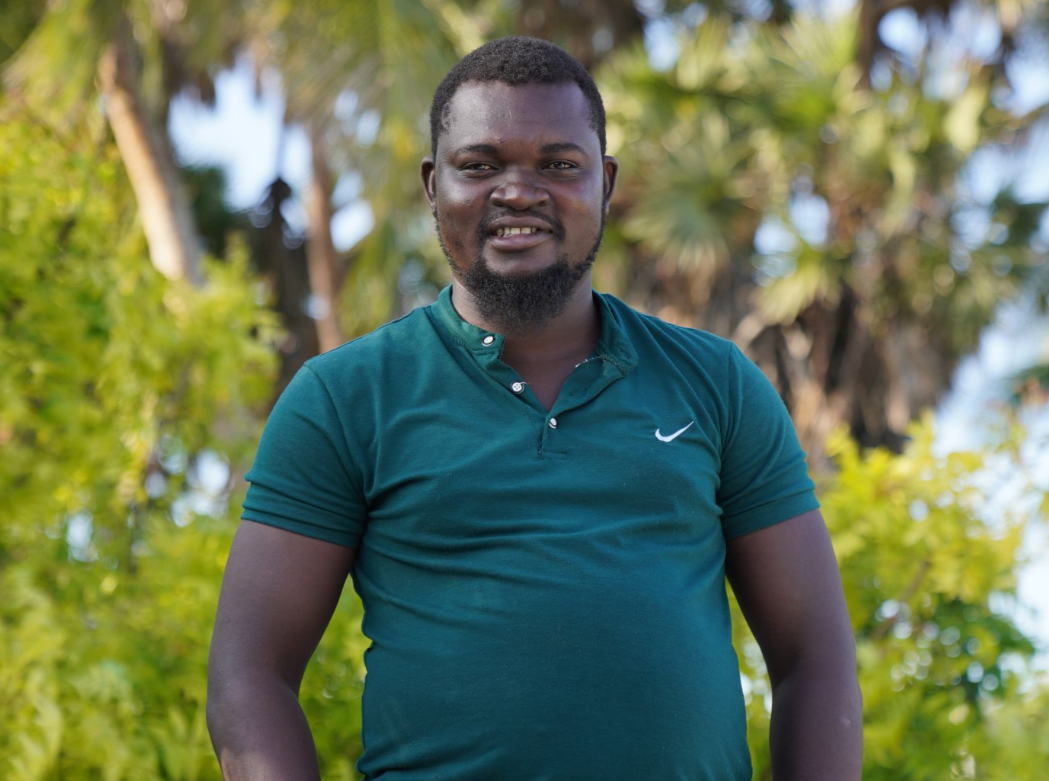
The late Albert Ojwang’
Perhaps more significant than the donation controversy is the family’s decision to delay burial arrangements indefinitely.
This strategic choice reflects their prioritization of justice over traditional funeral rites, a decision that carries profound cultural and legal implications.
“We are waiting for the investigations to be completed before we can proceed with burial arrangements,” Opiyo stated firmly.
“We are heartbroken. Our wish is for justice to be served. We have given the government space to conduct investigations and we urge them to fast-track the process so we can know the truth behind Albert’s death.”
This delay serves multiple purposes.
Legally, it ensures that all forensic evidence is preserved and that investigations can proceed without the pressure of immediate burial.
Culturally, it demonstrates the family’s commitment to uncovering the truth, even at the emotional cost of prolonged grief and uncertainty.
Security concerns
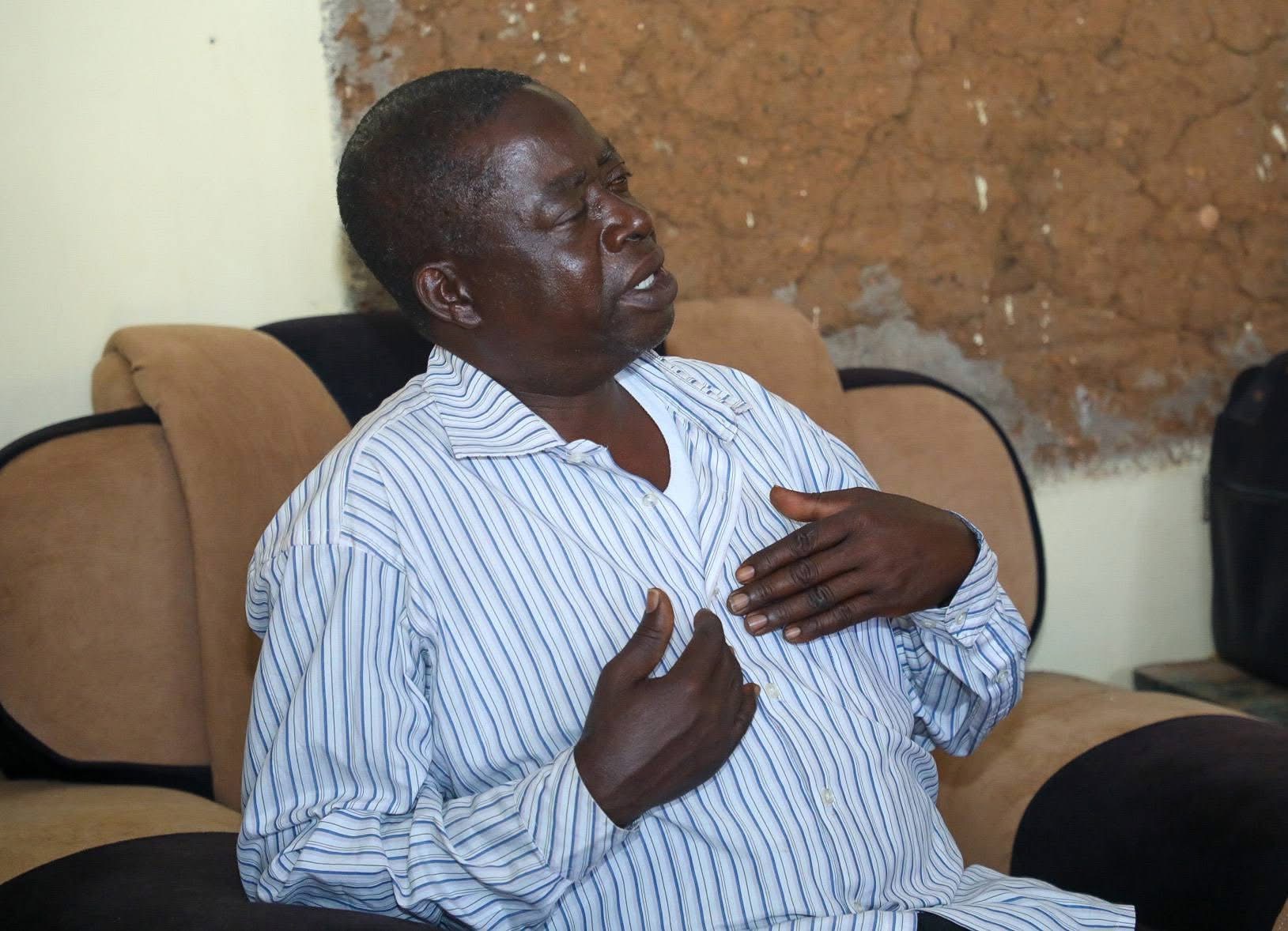
The family’s stance becomes even more complex when viewed against the backdrop of their security concerns.
Family lawyer Julius Juma has publicly sought enhanced state protection, revealing the precarious position of those pursuing justice in sensitive cases.
“We want to be assured of our security as we pursue justice for Ojwang. Everyone on the family’s side, including myself, feels exposed,” Juma stated during an NTV appearance.
This request for protection underscores the dangerous environment in which families of police custody victims must navigate their quest for justice.
Albert Ojwang, described as the only child of Mzee Ojwang, was arrested on June 7 from his rural Homa Bay home by DCI officers, allegedly over spreading misinformation.
He was transported to Nairobi and detained at Central Police Station, where he was found dead the following morning under unclear circumstances.
Kenya Insights allows guest blogging, if you want to be published on Kenya’s most authoritative and accurate blog, have an expose, news TIPS, story angles, human interest stories, drop us an email on [email protected] or via Telegram


Yet Another Blow for Bia Tosha as Court Rejects Bid to Halt Diageo–Asahi Transaction

US to Slash Number of African Embassies Processing Visas from 50 to 20, Kenya Remains a Key Hub

Trump Picks Veteran Crisis Diplomat Henry Wooster as New U.S. Ambassador to Kenya

Former Catholic Priest Arrested Over Alleged Treasonous Social Media Posts

Hundreds Protest Against Planned US Ebola Quarantine Facility in Kenya

President Ruto Defends Laikipia Ebola Quarantine Centre, Tells Critics to ‘Relax’

“Raila Died Walking, He Didn’t Collapse,” Maurice Ogeta Breaks Silence On His Boss’ Final Moments

Bolt Denies Viral Exit Claims, Says Kenya Operations Remain Fully Active

Secret Trident Meetings, Claims of Millions Exchanged: Fresh Questions Raised Over PCF Boss Mohammed Sahal’s Role in Insurance Battle

The Kamukunji Cash Pit: Ghost School, Phantom Audit Trails and NG-CDF Manager Who Refuses to Leave

Why Ruto’s Favourite Candidate Adan Mohammed Could Be Locked Out of the KRA Top Job

Este Medical Kenya Fights American’s Explosive Complaints

Safaricom’s Sh1.4 Billion Reckoning: How Kenya’s Most Profitable Company Stole a Man’s Idea and Got Caught

LifeCare on the Brink: SHA Fraud, Stolen Wages, and the Rotten Empire Jayesh Saini Built

The Rot Inside Absa: How Bank Insiders Are Looting Nairobi’s Customers

The $24 Million Heist at the End of the World

Denial Under Duress: The Untold Collapse Threatening David Lagat’s DL Group’s Empire

THE INSURER THAT TOOK YOUR PREMIUM AND FORGOT YOUR NAME: How ICEA Lion Left a Client Begging for Sh7.8 Million Across Four Months

Court Confirms Safaricom Customers Data Was Sold To Betting Companies In Seven-Year Cover-Up

Eight Students Arrested In Kenya After Suspected Deadly School Arson Attack
-
 News1 week ago
Este Medical Kenya Fights American’s Explosive Complaints
-
 Investigations1 week ago
LifeCare on the Brink: SHA Fraud, Stolen Wages, and the Rotten Empire Jayesh Saini Built
-
 News4 days ago
Eight Students Arrested In Kenya After Suspected Deadly School Arson Attack
-
 Americas1 week ago
Inside FAFSA Fraud: How Kenyan Cybercriminals Siphoned Millions from America’s Sh12 Billion Student Loan System
-
 Business2 weeks ago
Blocked: How Mombasa Tycoon Ashok Doshi Has Stopped Imperial Bank Depositors From Getting Their Money
-
 Investigations1 week ago
LSK On The Spot For Renewing Rogue Lawyer Dennis Onyango’s Licence Despite Mounting Evidence He Held Foreign Investors’ Millions Hostage
-
 News2 days ago
How Uhuru’s Deal With Obama In 2015 Paved Way For America’s Ebola Plan In Kenya
-
 Investigations2 days ago
29.5 Million Safaricom Customers’ Data Breach Lands Odibets Boss Andrew Aligula In Police Custody, Firm Now Operating On A Thin Line Of Court Order