
News
SHA To Track Your M-Pesa, Car Ownership, KRA Records and Other Data To Raise Monthly Premiums

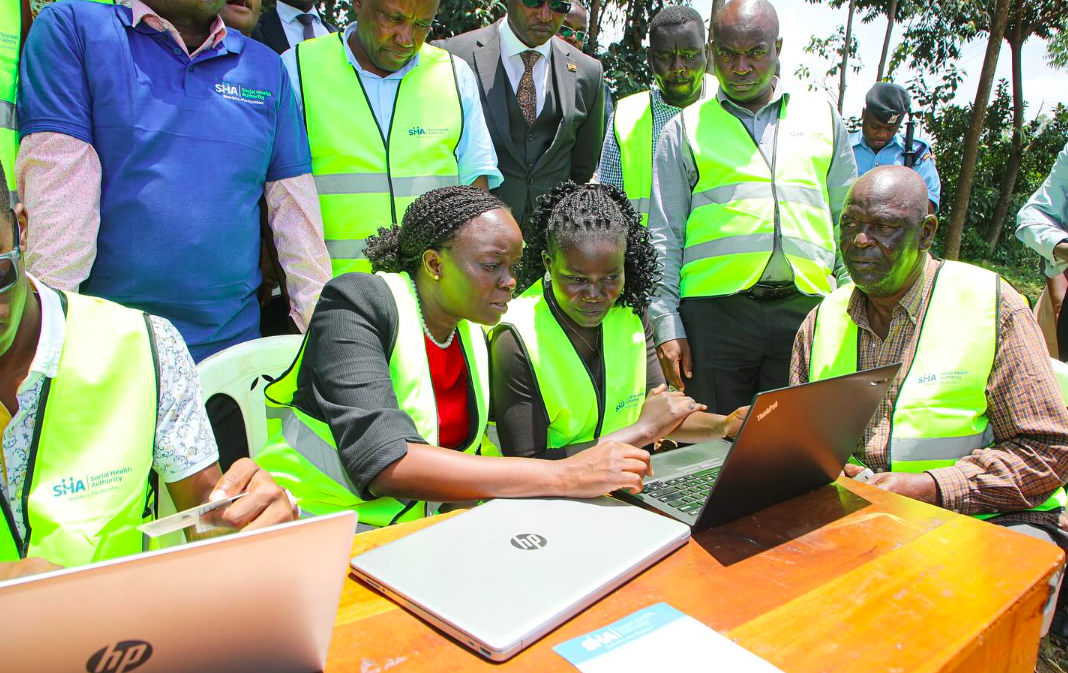
Kenya’s push for universal healthcare just took a sharp turn: the government is now peeking into citizens’ mobile money accounts, tax records, car ownership details, and even farm registrations to decide how much they should pay for health coverage. The goal? To stop self-employed Kenyans from lowballing their premiums while driving luxury cars or jetting off on vacations.
“No More Pauper Tricks,” Says Health Boss
At a health summit this week, Health Cabinet Secretary Dr. Deborah Mlongo dropped the news bluntly: “If you own a motorbike, fly often, or have registered farmland but still claim you’re too poor to pay more than Sh300 a month—we’ll find you.”
The Social Health Authority (SHA), launched last year to replace the troubled NHIF, has been granted access to a laundry list of government databases—from Kenya Power bills to immigration travel logs—to catch fibbers.
A new algorithm, set to roll out by February 28, will cross-check data to determine if someone’s “mud house” declaration matches their M-Pesa transactions or motorcycle ownership.
“We’ve had people lying about their lives to pay less. That ends now,” Mlongo said, adding that the average monthly premium for informal workers needs to jump from Sh560 to Sh880 to keep the health fund afloat.
Why the Fuss?
Here’s the catch: SHA’s survival depends on cash. So far, only 3.5 million of its 19.5 million members actually pay premiums. A whopping 14.5 million rely solely on free basic care at local clinics, while 1.5 million poorest Kenyans pay nothing, covered by taxpayers. But for hospitals and major treatments, you’ve gotta pay up—and the state says too many are gaming the system.
“You can’t drive a Probox, sell maize from your two-acre farm, and then tell us you’re broke,” a government insider quipped. “The algorithm will connect the dots.”
But Wait—What About the Actually Poor?
Kenya’s poverty rate is brutal: 4 in 10 people can’t afford basics like food, per official stats. The government insists the crackdown targets “pretend paupers,” not struggling families. But critics worry the tech-heavy approach might squeeze those already drowning.
Take Jane Atieno, a Nairobi mama mboga: “Last month, SHA said I owe Sh800. How? I live in a single room with my kids. Now they’ll check my M-Pesa? Even when I borrow Sh200 from a neighbor?”
Deputy President Kithure Kindiki admits the current system is messy. “Some honest poor folks get slapped with bills they can’t pay. The new system will make premiums fairer—and predictable,” he said, promising a major enrollment drive from March 1.
Ghosts of NHIF Past
This isn’t Kenya’s first rodeo. The old NHIF collapsed partly because 80% of informal workers couldn’t keep up with Sh500 monthly payments. SHA lowered the floor to Sh300 to ease the pain, but now it’s hiking prices—and betting on AI to hunt down cheats.
“Same problem, new tech,” groaned economist Owino Otieno. “If millions couldn’t afford Sh500, how will Sh880 work? Algorithms don’t put food on tables.”
What’s Next?
Starting next month, SHA will let people appeal unfair premiums—but don’t bother if your bill is under Sh1,000.
Meanwhile, the clock ticks toward the February 28 algorithm deadline. For Kenya’s Jua Kali artisans, Boda Boda riders, and small traders, the message is clear: the government’s watching.
And if you’re booking a flight while registered as “jobless”? Maybe rethink that.
Kenya Insights allows guest blogging, if you want to be published on Kenya’s most authoritative and accurate blog, have an expose, news TIPS, story angles, human interest stories, drop us an email on [email protected] or via Telegram


Somali Government Adviser Held in Kenya Over Alleged Sh3.5 Million Gold Fraud and Terrorism Links

Reprieve for Lawyer Conrad Maloba as Court Extends Orders Blocking His Prosecution in Gold Fraud Case

How Adil Popat Saved His Empire On The Eve Of Imperial Bank Collapse and Why Kenya’s Mainstream Media Buried The Story

South Sudan: Adut Salva Kiir’s Shadow Treasury Exposed

Wajir North MP Ibrahim Abdi Dissatisfied With2026/27 Budget, Claims It Totally Excludes North Eastern Region

The Eldoret Tax Fortress: How David Langat Turned an Industrial Park Dream Into Kenya’s Most Sophisticated Domestic Tax Haven

Why John Ngumi Is Running From the EACC and Why the Sh415 Million Payday May Be the Least of His Worries

Shiquo Hii Style Store Was Not Raided, Anti-Counterfeit Authority Confirms; Says Influencer Used Empty Shelves for Content as She Relocates

Treasury CS Mbadi Unveils Sh4.8 Trillion Budget Estimates

Fraud, Misrepresentation and A Decade Of Evasion: How Indo Africa Finance Pocketed Sh150 Million Youth Funds and Fought To Keep Every Cent

Inside NCBA’s Decline: How a Banking Giant Lost Its Strategic Edge

Cement, Cash and Courts: How the Hashu Dynasty Crushed the Ramji Brothers for Fourteen Years and Why the Walls Are Now Closing In

Standard Chartered Ghosts Haunt Joshua Oigara At Stanbic As Whistleblower Spills Beans

Inside The Urban Planning Cartel That Owns Nairobi
South Sudan: Adut Salva Kiir’s Shadow Treasury Exposed

Why Ruto’s Favourite Candidate Adan Mohammed Could Be Locked Out of the KRA Top Job

Betika Faces DCI Probe, Directors Arrest and License Revocation Over Massive 29.5 Million Safaricom Customers’ Data Breach

LifeCare on the Brink: SHA Fraud, Stolen Wages, and the Rotten Empire Jayesh Saini Built
Why John Ngumi Is Running From the EACC and Why the Sh415 Million Payday May Be the Least of His Worries

The President’s Daughter and The Missing Witness: How Adut Salva Kiir’s Shadow Treasury Silenced Its Most Dangerous Critic
-
 Business5 days ago
Inside NCBA’s Decline: How a Banking Giant Lost Its Strategic Edge
-
 Investigations1 week ago
Cement, Cash and Courts: How the Hashu Dynasty Crushed the Ramji Brothers for Fourteen Years and Why the Walls Are Now Closing In
-
 Business4 days ago
Standard Chartered Ghosts Haunt Joshua Oigara At Stanbic As Whistleblower Spills Beans
-
 Investigations1 week ago
Inside The Urban Planning Cartel That Owns Nairobi
-
 Africa3 days ago
South Sudan: Adut Salva Kiir’s Shadow Treasury Exposed
-
 Investigations2 weeks ago
Betika Faces DCI Probe, Directors Arrest and License Revocation Over Massive 29.5 Million Safaricom Customers’ Data Breach
-
 Business3 days ago
Why John Ngumi Is Running From the EACC and Why the Sh415 Million Payday May Be the Least of His Worries
-
 Africa4 days ago
The President’s Daughter and The Missing Witness: How Adut Salva Kiir’s Shadow Treasury Silenced Its Most Dangerous Critic