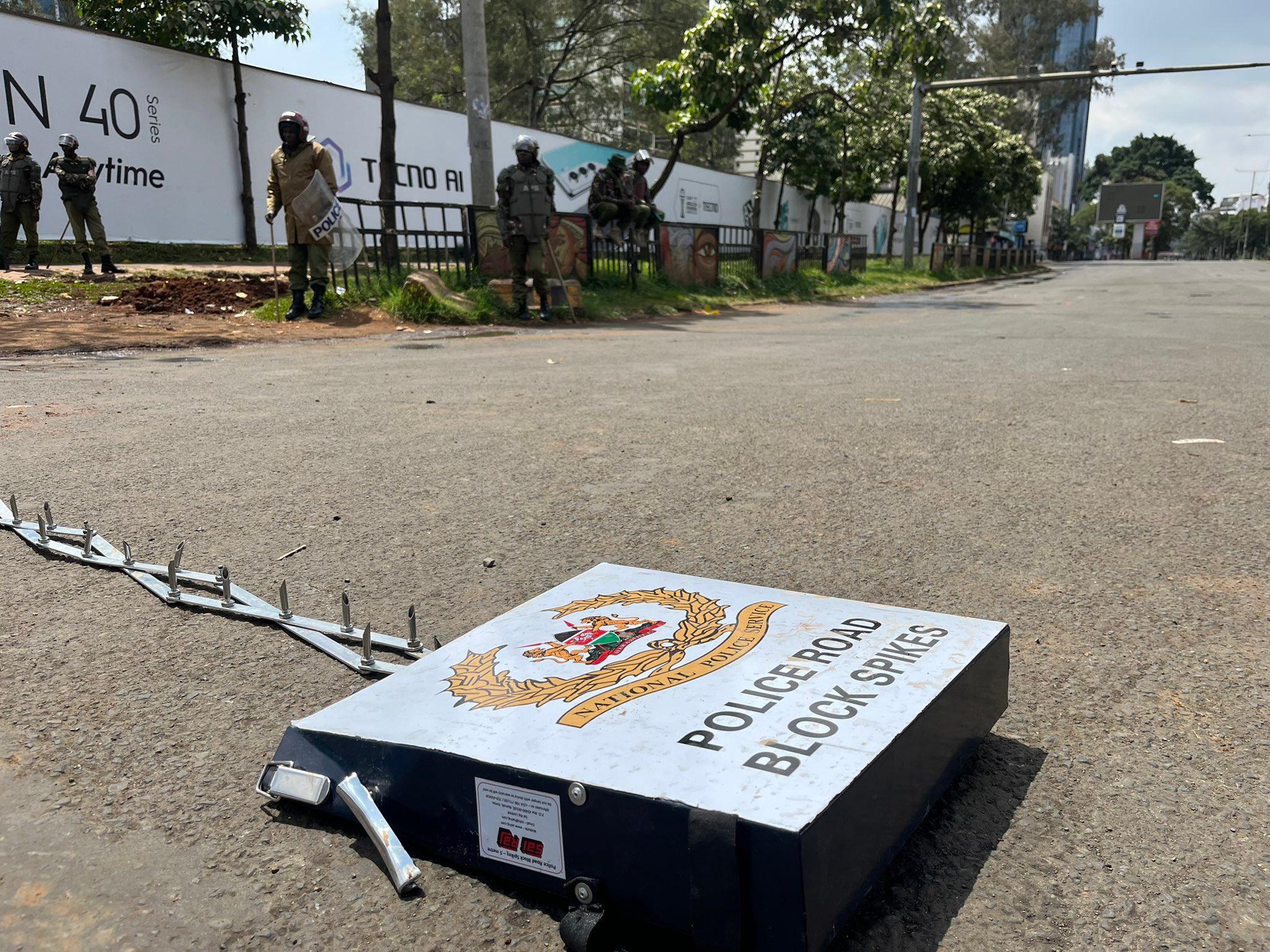
Security measures aimed at preventing demonstrations bring capital to unprecedented standstill
The bustling streets of Nairobi fell silent on Monday as police cordoned off key areas across the city, creating an economic ghost town that cost the capital an estimated Sh10.4 billion in lost productivity.
What was meant to be a preemptive security measure ahead of anticipated Saba Saba protests transformed into one of the most expensive single days of economic inactivity in the city’s recent history.
The figure represents Nairobi’s entire daily economic output, calculated from the county’s annual Gross County Product of Sh3.8 trillion.
By dawn, the normally congested arteries of commerce—from Moi Avenue to the Central Business District—resembled scenes from a post-apocalyptic film.
Office towers remained dark, shop shutters stayed down, and the characteristic hum of urban activity was replaced by the occasional rumble of police vehicles on patrol.
The financial services sector, which pumps Sh885.6 billion annually into Nairobi’s economy, bore the heaviest brunt.
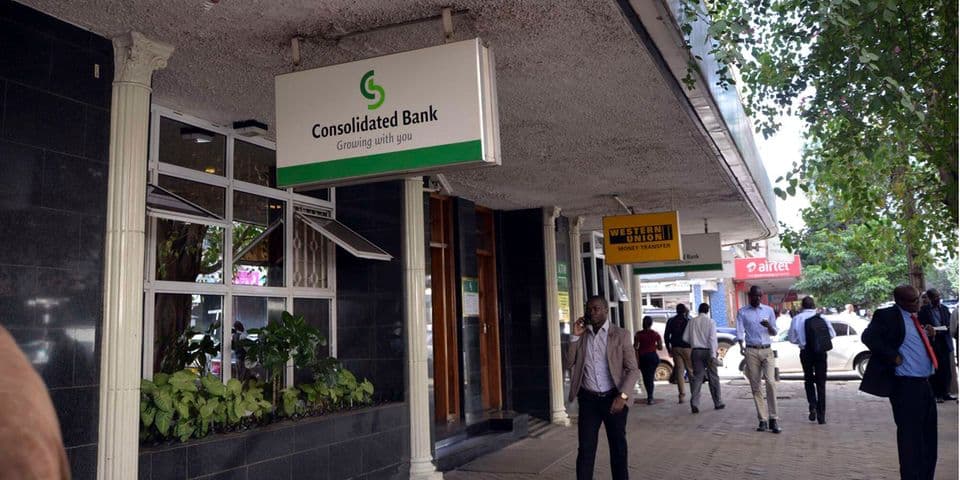
Major banks, including DTB, issued public notices explaining their decision to keep branches closed, citing staff and customer safety concerns.
The real estate sector (Sh628.4 billion annually) and transport and storage (Sh581.2 billion) followed suit, creating a domino effect across the economy.
The lockdown’s impact extended beyond Nairobi’s borders, disrupting trade and logistics chains that connect the capital to neighboring counties.
While these secondary losses remain unquantified, they likely added millions more to the economic toll.
This economic freeze highlights Nairobi’s vulnerability to political disruptions, despite its position as East Africa’s financial hub.
The city contributes 27.5 percent of Kenya’s Sh16.2 trillion GDP, with a per capita GCP of Sh802,344—nearly three times the national average of Sh293,229.
The irony was not lost on many observers: in attempting to maintain order, authorities effectively achieved what the protesters might have sought—a complete shutdown of business activity.
The day’s events raise critical questions about the cost-benefit analysis of such heavy-handed security measures.
As business owners counted their losses and employees wondered about their daily wages, the Sh10.4 billion figure became more than just a statistic.
It represented missed opportunities, disrupted livelihoods, and the delicate balance between security and economic vitality in Kenya’s capital.
While the lockdown proved temporary, its economic scars serve as a stark reminder of how quickly political tensions can paralyze a modern economy.
For a city that never sleeps, Monday’s silence spoke volumes about the price of fear in the marketplace.
The challenge now lies in preventing such economic paralysis from becoming a recurring feature of Kenya’s political calendar, as investor confidence and business stability hang in the balance.








Comments