
Business
KRA Can Deem Your Bank Deposits As Taxable Income, Is M-Pesa Next?

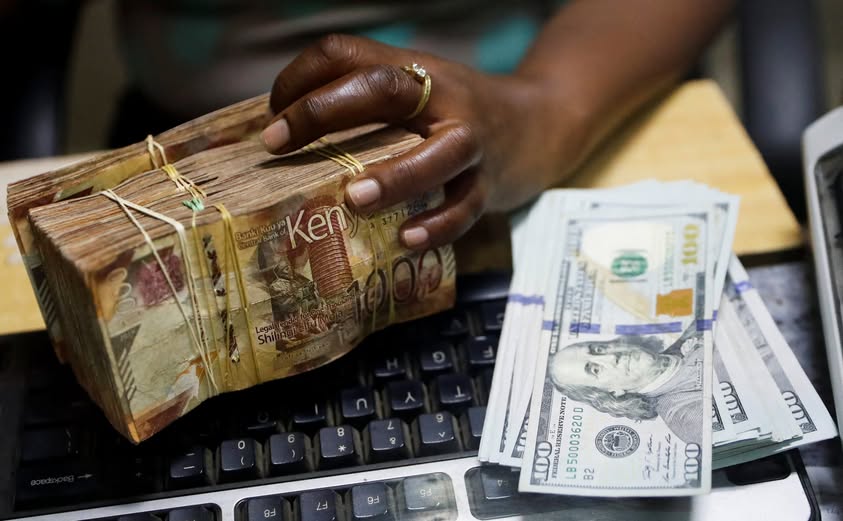
Nairobi, September 7, 2025 — A recent ruling by the Tax Appeals Tribunal has sent a stark warning to Kenyan taxpayers: without clear documentation, all deposits into your bank account could be deemed taxable income by the Kenya Revenue Authority (KRA).
The decision, stemming from the case of Kirin Pipes Limited vs. KRA Commissioner (E1116/2024), raises questions about whether mobile money platforms like M-Pesa could face similar scrutiny.
In the case, KRA slapped Kirin Pipes Limited with a tax bill of Kes 34.3 million for income tax and Kes 22.7 million for VAT, covering 2019 to 2022, after classifying all deposits into the company’s bank accounts as taxable income.
Kirin Pipes argued that Kes 29.4 million were shareholder capital injections, Kes 31.7 million was an interest-free loan from Nanchang Municipal Engineering Development, and Kes 24.6 million were shareholder funds for operations, none of which should be taxable.
However, the Tribunal upheld KRA’s assessment, citing the company’s failure to provide certified bank statements, shareholder resolutions, or verifiable loan agreements.
The Tribunal emphasized that taxpayers bear the burden of proving deposits are non-taxable. Kirin Pipes’ CR12 form showed only an initial Kes 10 million capital, with no evidence of updated shareholding.
The alleged loan lacked clear terms or repayment proof, rendering it unverifiable. “Without sufficient, corroborative evidence, KRA is justified in treating all deposits as income,” the Tribunal ruled.
This precedent underscores the importance of meticulous record-keeping for businesses and individuals alike.
Tax experts warn that KRA’s aggressive stance could extend beyond traditional bank accounts.
“M-Pesa transactions, especially for businesses, are increasingly visible to KRA through integration with banking systems and digital tax platforms,” said Jane Mwangi, a Nairobi-based tax consultant.
“If you can’t prove your M-Pesa deposits are loans, gifts, or capital, they could be taxed as income.”
KRA’s access to mobile money data is growing, with Safaricom and other providers required to share transaction details under Kenya’s tax laws.
While individuals may not yet face the same level of scrutiny as businesses, the Kirin Pipes ruling signals KRA’s readiness to challenge undocumented deposits across platforms.
“M-Pesa is not immune,” Mwangi added.
“Businesses using mobile money for transactions should maintain clear records to avoid surprises.”
Taxpayers are urged to keep certified bank statements, loan agreements, and shareholder records to substantiate the source of funds. As KRA leverages technology to tighten compliance, the question looms: will your M-Pesa wallet be next?
Kenya Insights allows guest blogging, if you want to be published on Kenya’s most authoritative and accurate blog, have an expose, news TIPS, story angles, human interest stories, drop us an email on [email protected] or via Telegram


THE GHOST AT ELYSEE PLAZA: How Ghanaian Businessman Erick Agbeko Built a Two-Decade Empire of Land Fraud in Kenya

Njuca Consolidated, Three Firms Faces Auction of 65 Properties Over Crippled Cash Flow

Why Absa Bank Is On The Spot For Enabling Sh150 Million Alleged Insider Fraud In Vetlab Club

Somalia’s Disputed President Allegedly Siphons Up to $6 Million Monthly from Kenyan Miraa Trade, Sharing the Spoils with Nairobi’s Shadow Cartels

Ahmed Adan Hefow: Governor Otuoma’s Trusted Right-Hand Man at the Centre of Busia’s Deepening Finance Scandal

Karua Detained at Entebbe as Uganda Blocks Besigye Lawyer From Entering Country

How KCB and Airtel Turned Kenya’s Unbanked Into a Data Goldmine Behind a ‘Financial Inclusion’ Deal

The Chivayo Network: How a Convicted Fraudster Won Access to Presidents, Passports and Billion-Dollar Deals Across Africa

BURRIED TWICE: The Victoria Bank CEO Yogesh Pattni Files

Court Stops Transfer Of EABL Shares To Asahi By Diageo In A Fresh Snag

Businessman Philip Waithaka Kinuthia’s Minor Son Allegedly Drove Drunk, Killed Two Peponi Students in Ngong Road Horror Crash as Claims of Cover-Up Intensify

Inside NCBA’s Decline: How a Banking Giant Lost Its Strategic Edge

Cement, Cash and Courts: How the Hashu Dynasty Crushed the Ramji Brothers for Fourteen Years and Why the Walls Are Now Closing In

South Sudan: Adut Salva Kiir’s Shadow Treasury Exposed

Standard Chartered Ghosts Haunt Joshua Oigara At Stanbic As Whistleblower Spills Beans

Inside The Urban Planning Cartel That Owns Nairobi

THE VULTURE AND THE SCHEME How Nairobi West Hospital Became the Most Dangerous Institution in Kenya’s SHA Ecosystem and Why the Books Must Be Audited Now

The President’s Daughter and The Missing Witness: How Adut Salva Kiir’s Shadow Treasury Silenced Its Most Dangerous Critic

How Adil Popat Saved His Empire On The Eve Of Imperial Bank Collapse and Why Kenya’s Mainstream Media Buried The Story

Why John Ngumi Is Running From the EACC and Why the Sh415 Million Payday May Be the Least of His Worries
-
 News1 week ago
Businessman Philip Waithaka Kinuthia’s Minor Son Allegedly Drove Drunk, Killed Two Peponi Students in Ngong Road Horror Crash as Claims of Cover-Up Intensify
-
 Business2 weeks ago
Inside NCBA’s Decline: How a Banking Giant Lost Its Strategic Edge
-
 Africa2 weeks ago
South Sudan: Adut Salva Kiir’s Shadow Treasury Exposed
-
 Business2 weeks ago
Standard Chartered Ghosts Haunt Joshua Oigara At Stanbic As Whistleblower Spills Beans
-
 Investigations4 days ago
THE VULTURE AND THE SCHEME How Nairobi West Hospital Became the Most Dangerous Institution in Kenya’s SHA Ecosystem and Why the Books Must Be Audited Now
-
 Africa2 weeks ago
The President’s Daughter and The Missing Witness: How Adut Salva Kiir’s Shadow Treasury Silenced Its Most Dangerous Critic
-
 Business2 weeks ago
How Adil Popat Saved His Empire On The Eve Of Imperial Bank Collapse and Why Kenya’s Mainstream Media Buried The Story
-
 Business2 weeks ago
Why John Ngumi Is Running From the EACC and Why the Sh415 Million Payday May Be the Least of His Worries