
News
Kenyans Fighting Illegally For Russia In Ukraine To Be Granted Amnesty
Mudavadi’s trip to meet his Russian counterpart Sergei Lavrov followed growing public pressure from the relatives of those who had travelled to Russia calling for Kenya’s government to take action.

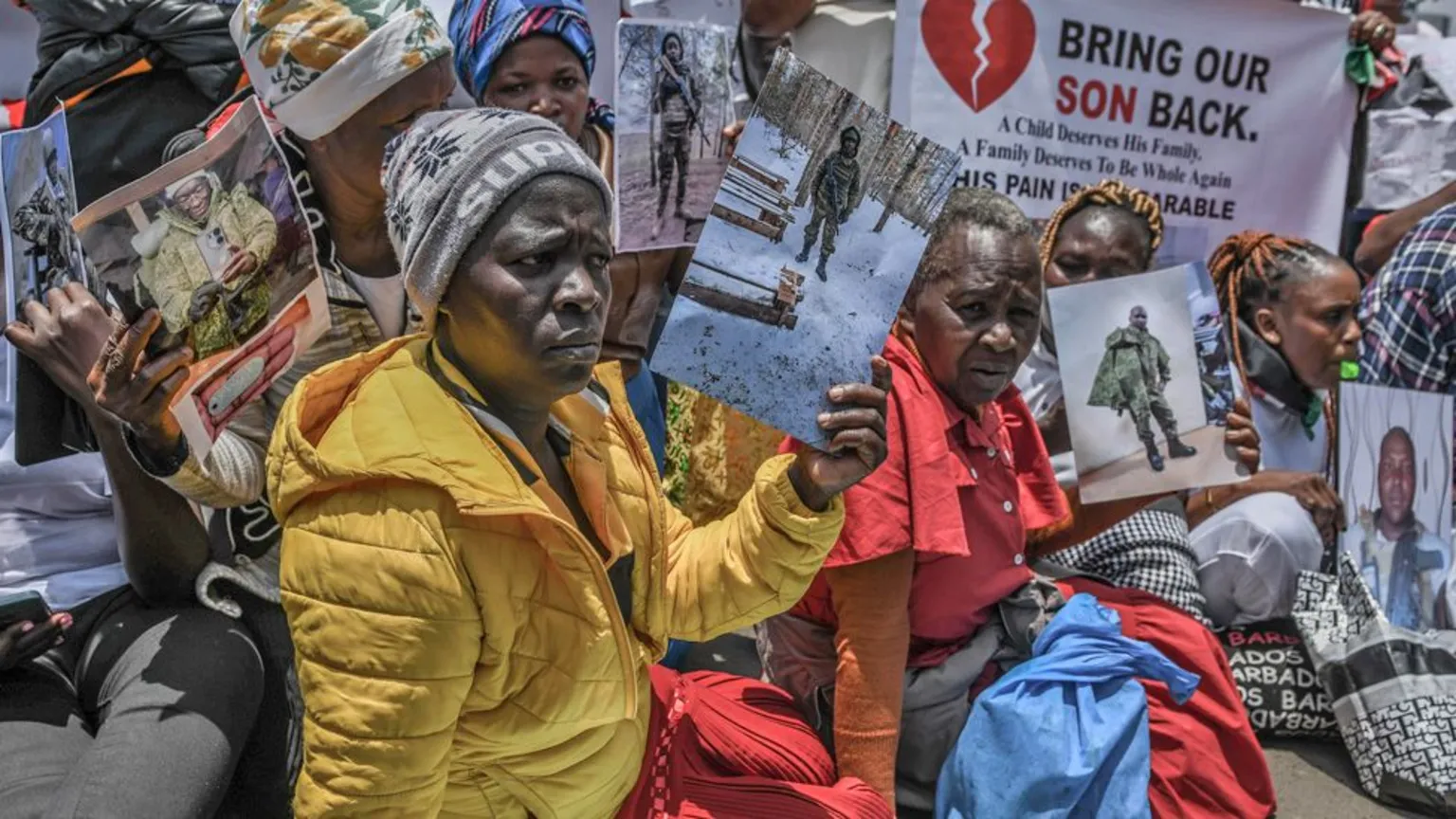
Kenyans enlisted to fight for Russia in the war against Ukraine will be granted amnesty on their return home, the East African nation’s foreign minister has said.
Under Kenya’s laws it is illegal for the country’s citizens to be conscripted into foreign armies – an offence that can carry up to a 10-year prison sentence.
The foreign ministry estimates that 252 Kenyans have been illegally conscripted to fight on the front line – a trend that began about six months ago and has also involved recruits from other African countries.
Some Kenyans have said they were lured to fight for Russia with promises of well-paid civilian jobs, only to find themselves forced into fighting in Ukraine – often signing contracts in Russian without understanding what was involved.
“So far 44 Kenyans have been safely repatriated back home while 11 have been reported missing in action/killed in action, 38 are currently hospitalised in various Russian hospitals under restricted access, leaving 160 Kenyans officers still actively involved,” Mudavadi said in a statement.
Mudavadi also negotiated a deal that allowed Kenyans currently on the front line and “unwilling to continue in the assignment disengaged and freed to travel back home”, the foreign ministry said.
Moscow had already agreed to put Kenya on what it called a “stop list” to prevent further recruitment, it said.
Russia has previously insisted that all foreign fighters joined voluntarily ”in full compliance with Russian law”.
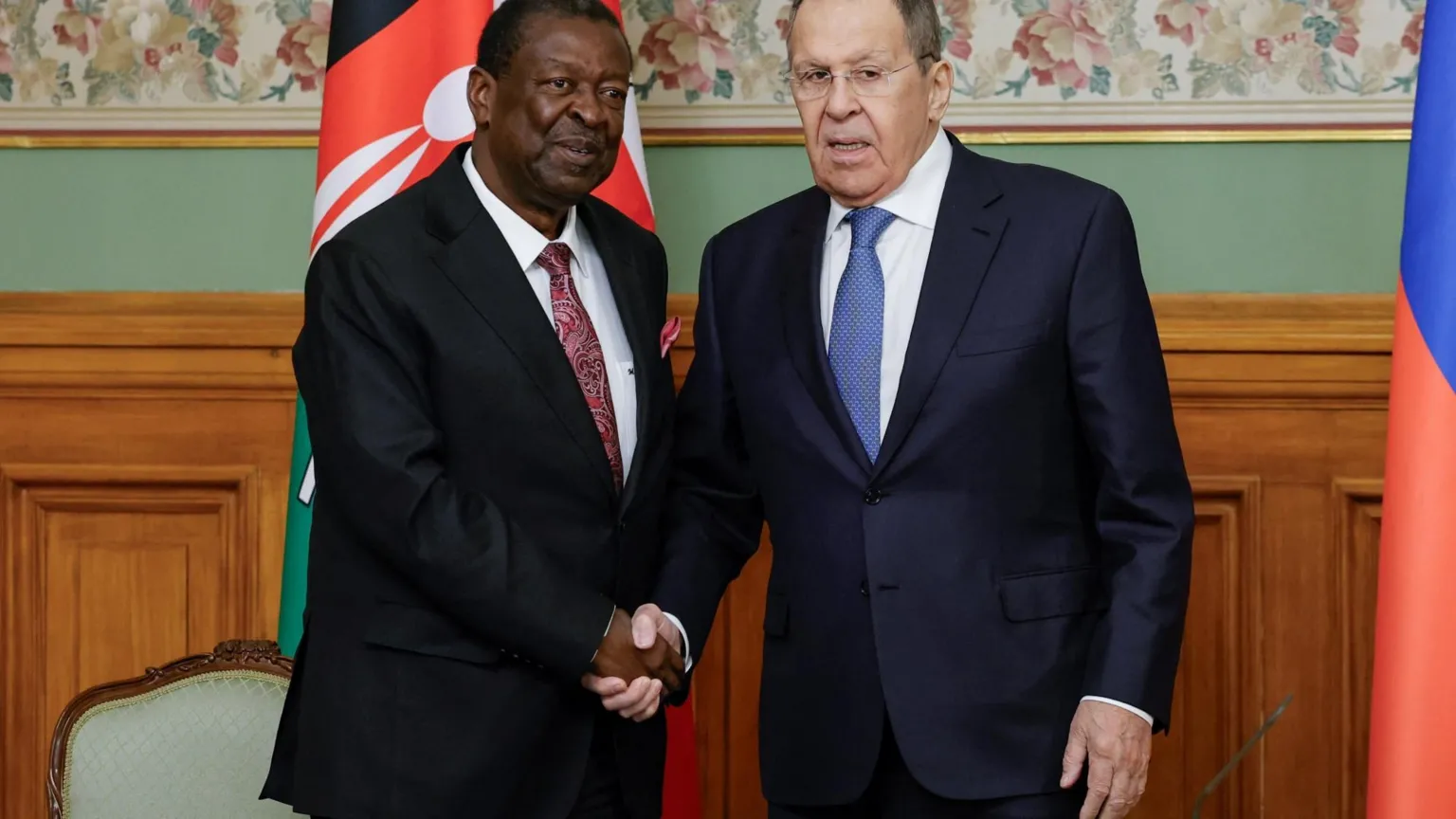
Mudavadi said he and his Russian counterpart had agreed to put Kenya on what was called a “stop list” to prevent the further recruitment of Kenyans. Reuters.
According to Kenya’s foreign ministry, the two countries will begin efforts to “thwart human trafficking, smuggling and illegal recruitment” to the Russian war effort. Russia launched its full-scale invasion of Ukraine in February 2022.
Mudavadi’s trip to meet his Russian counterpart Sergei Lavrov followed growing public pressure from the relatives of those who had travelled to Russia calling for Kenya’s government to take action.
Ukrainian intelligence assessment has estimated that more than 1,700 people from 36 countries in Africa have been recruited to fight for Russia.
Working as a mercenary or fighting on behalf of another government is also illegal in South Africa, unless the government authorises it.
Kenya’s foreign ministry explained that Kenyans could fight for other armies if they were citizens of another country or had the written permission of the Kenyan president.
Otherwise it contravened section 68 of Kenya’s penal code and attracted up to 10 years in jail unless a court was satisfied the enlistment was not voluntary.
—BBC
Kenya Insights allows guest blogging, if you want to be published on Kenya’s most authoritative and accurate blog, have an expose, news TIPS, story angles, human interest stories, drop us an email on [email protected] or via Telegram


Somali Government Adviser Held in Kenya Over Alleged Sh3.5 Million Gold Fraud and Terrorism Links

Reprieve for Lawyer Conrad Maloba as Court Extends Orders Blocking His Prosecution in Gold Fraud Case

How Adil Popat Saved His Empire On The Eve Of Imperial Bank Collapse and Why Kenya’s Mainstream Media Buried The Story

South Sudan: Adut Salva Kiir’s Shadow Treasury Exposed

Wajir North MP Ibrahim Abdi Dissatisfied With2026/27 Budget, Claims It Totally Excludes North Eastern Region

The Eldoret Tax Fortress: How David Langat Turned an Industrial Park Dream Into Kenya’s Most Sophisticated Domestic Tax Haven

Why John Ngumi Is Running From the EACC and Why the Sh415 Million Payday May Be the Least of His Worries

Shiquo Hii Style Store Was Not Raided, Anti-Counterfeit Authority Confirms; Says Influencer Used Empty Shelves for Content as She Relocates

Treasury CS Mbadi Unveils Sh4.8 Trillion Budget Estimates

Fraud, Misrepresentation and A Decade Of Evasion: How Indo Africa Finance Pocketed Sh150 Million Youth Funds and Fought To Keep Every Cent

Cement, Cash and Courts: How the Hashu Dynasty Crushed the Ramji Brothers for Fourteen Years and Why the Walls Are Now Closing In

Inside NCBA’s Decline: How a Banking Giant Lost Its Strategic Edge

Standard Chartered Ghosts Haunt Joshua Oigara At Stanbic As Whistleblower Spills Beans

Inside The Urban Planning Cartel That Owns Nairobi

Why Ruto’s Favourite Candidate Adan Mohammed Could Be Locked Out of the KRA Top Job
South Sudan: Adut Salva Kiir’s Shadow Treasury Exposed

LifeCare on the Brink: SHA Fraud, Stolen Wages, and the Rotten Empire Jayesh Saini Built

Betika Faces DCI Probe, Directors Arrest and License Revocation Over Massive 29.5 Million Safaricom Customers’ Data Breach

Fresh Move Launched to Remove Kenya Railways MD Mainga From Office After Awarding Sh817 Million Consultancy Contract

Este Medical Kenya Fights American’s Explosive Complaints
-
 Investigations1 week ago
Cement, Cash and Courts: How the Hashu Dynasty Crushed the Ramji Brothers for Fourteen Years and Why the Walls Are Now Closing In
-
 Business4 days ago
Inside NCBA’s Decline: How a Banking Giant Lost Its Strategic Edge
-
 Business3 days ago
Standard Chartered Ghosts Haunt Joshua Oigara At Stanbic As Whistleblower Spills Beans
-
 Investigations1 week ago
Inside The Urban Planning Cartel That Owns Nairobi
-
 Africa2 days ago
South Sudan: Adut Salva Kiir’s Shadow Treasury Exposed
-
 Investigations2 weeks ago
Betika Faces DCI Probe, Directors Arrest and License Revocation Over Massive 29.5 Million Safaricom Customers’ Data Breach
-
 Investigations1 week ago
Fresh Move Launched to Remove Kenya Railways MD Mainga From Office After Awarding Sh817 Million Consultancy Contract
-
 Africa3 days ago
The President’s Daughter and The Missing Witness: How Adut Salva Kiir’s Shadow Treasury Silenced Its Most Dangerous Critic