
World
China Sets Lowest Growth Forecast Since 1991

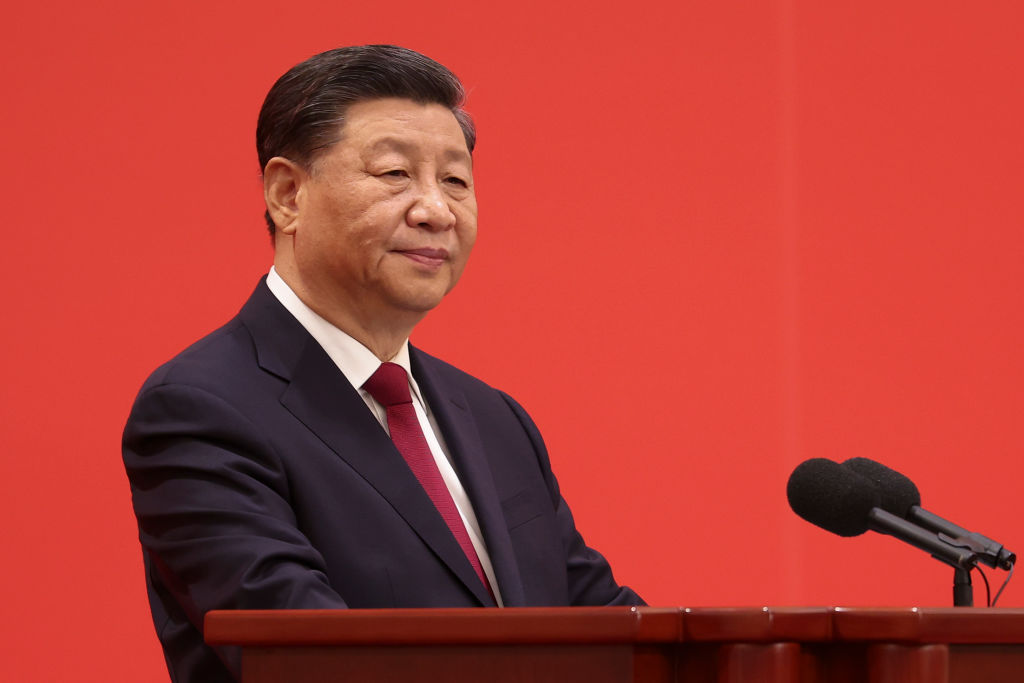
China has reduced its annual economic growth target to between 4.5 per cent and five per cent, marking the country’s lowest expansion goal since 1991 as it grapples with growing economic challenges both domestically and internationally.
The revision represents the first reduction since the target was set at “around 5%” in 2023. No official growth target was announced in 2020 due to the global disruption caused by the COVID-19 pandemic.
The updated figures were presented during the country’s major annual political gathering, commonly referred to as the “two sessions”, where officials also outlined preliminary details of the 15th Five-Year Plan for the world’s second-largest economy.
Beijing is attempting to restructure its economic model while confronting several difficulties, including subdued consumer spending, a declining population, a prolonged property market crisis, global trade tensions, and energy disruptions linked to the ongoing Iran war.
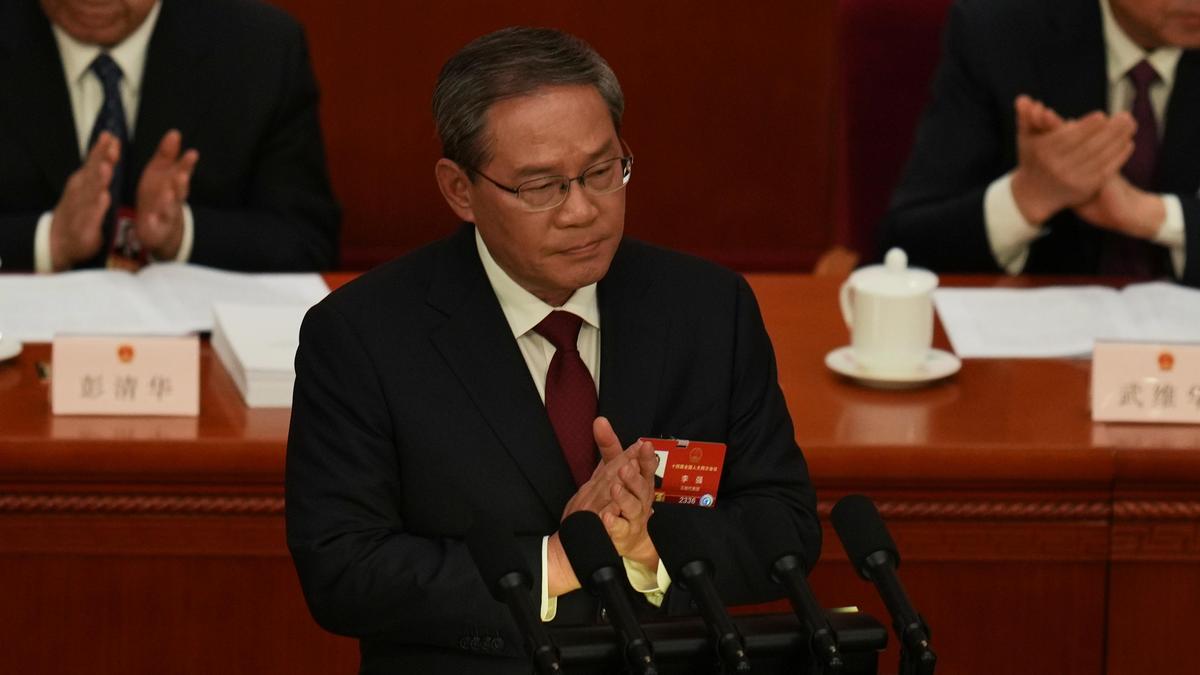
Chinese Premier Li Qiang gestures as he speaks during the opening session of the National People’s Congress (NPC) in Beijing | Photo Credit: AP
Economic analysts suggest that the reduced growth range offers policymakers greater room to manoeuvre.
The “two sessions” meeting, which began on Wednesday and usually lasts more than a week, brings together the country’s top leadership for extensive policy discussions.
In a 46-page report presented to delegates, Premier Li Qiang outlined priorities for the forthcoming five-year development plan, which will shape the country’s economic strategy until 2030. The full plan will be put to a vote before the sessions conclude and is expected to be released by state media shortly afterwards.
According to Li, the strategy will prioritise innovation, high-technology industries, scientific research and stronger household consumption, reflecting Beijing’s concern that the economy remains overly dependent on exports. The plan also proposes more than 100 large-scale projects aimed at expanding China’s industrial capacity in sectors including science and technology, transportation and energy.
Authorities have further highlighted their ambition to transform China into a global technology powerhouse, with plans to expand the application of artificial intelligence across key industries and accelerate the country’s transition towards green energy.
Alongside economic reforms, the government says it will promote the development of a “childbirth-friendly society” to tackle declining birth rates and the challenges associated with an ageing population.
Despite these initiatives, economists remain cautious about the outlook. Some analysts argue that China’s official growth statistics should be viewed “with a grain of salt”, citing weak consumer spending and the persistent crisis in the property sector as ongoing risks to the country’s economic stability.
Kenya Insights allows guest blogging, if you want to be published on Kenya’s most authoritative and accurate blog, have an expose, news TIPS, story angles, human interest stories, drop us an email on [email protected] or via Telegram


Justice Mong’are, the Machakos Injunction and the EABL-Asahi Questions Kenya Cannot Ignore

The EABL–Asahi Deal and the Growing Demand for Judicial Transparency

Samburu Governor Lati Lelelit Exposed For Paying Sh60 Million To Ghost Workers

THE GHOST AT ELYSEE PLAZA: How Ghanaian Businessman Erick Agbeko Built a Two-Decade Empire of Land Fraud in Kenya

Njuca Consolidated, Three Firms Faces Auction of 65 Properties Over Crippled Cash Flow

Why Absa Bank Is On The Spot For Enabling Sh150 Million Alleged Insider Fraud In Vetlab Club

Somalia’s Disputed President Allegedly Siphons Up to $6 Million Monthly from Kenyan Miraa Trade, Sharing the Spoils with Nairobi’s Shadow Cartels

Ahmed Adan Hefow: Governor Otuoma’s Trusted Right-Hand Man at the Centre of Busia’s Deepening Finance Scandal

Karua Detained at Entebbe as Uganda Blocks Besigye Lawyer From Entering Country

How KCB and Airtel Turned Kenya’s Unbanked Into a Data Goldmine Behind a ‘Financial Inclusion’ Deal

Businessman Philip Waithaka Kinuthia’s Minor Son Allegedly Drove Drunk, Killed Two Peponi Students in Ngong Road Horror Crash as Claims of Cover-Up Intensify

Inside NCBA’s Decline: How a Banking Giant Lost Its Strategic Edge

South Sudan: Adut Salva Kiir’s Shadow Treasury Exposed

Cement, Cash and Courts: How the Hashu Dynasty Crushed the Ramji Brothers for Fourteen Years and Why the Walls Are Now Closing In

Standard Chartered Ghosts Haunt Joshua Oigara At Stanbic As Whistleblower Spills Beans

Inside The Urban Planning Cartel That Owns Nairobi

THE VULTURE AND THE SCHEME How Nairobi West Hospital Became the Most Dangerous Institution in Kenya’s SHA Ecosystem and Why the Books Must Be Audited Now

The President’s Daughter and The Missing Witness: How Adut Salva Kiir’s Shadow Treasury Silenced Its Most Dangerous Critic

How Adil Popat Saved His Empire On The Eve Of Imperial Bank Collapse and Why Kenya’s Mainstream Media Buried The Story

Why John Ngumi Is Running From the EACC and Why the Sh415 Million Payday May Be the Least of His Worries
-
 News1 week ago
Businessman Philip Waithaka Kinuthia’s Minor Son Allegedly Drove Drunk, Killed Two Peponi Students in Ngong Road Horror Crash as Claims of Cover-Up Intensify
-
 Business2 weeks ago
Inside NCBA’s Decline: How a Banking Giant Lost Its Strategic Edge
-
 Africa2 weeks ago
South Sudan: Adut Salva Kiir’s Shadow Treasury Exposed
-
 Business2 weeks ago
Standard Chartered Ghosts Haunt Joshua Oigara At Stanbic As Whistleblower Spills Beans
-
 Investigations4 days ago
THE VULTURE AND THE SCHEME How Nairobi West Hospital Became the Most Dangerous Institution in Kenya’s SHA Ecosystem and Why the Books Must Be Audited Now
-
 Africa2 weeks ago
The President’s Daughter and The Missing Witness: How Adut Salva Kiir’s Shadow Treasury Silenced Its Most Dangerous Critic
-
 Business2 weeks ago
How Adil Popat Saved His Empire On The Eve Of Imperial Bank Collapse and Why Kenya’s Mainstream Media Buried The Story
-
 Business2 weeks ago
Why John Ngumi Is Running From the EACC and Why the Sh415 Million Payday May Be the Least of His Worries