
News
Aroko Accuses Wanga of Orchestrating His Arrest

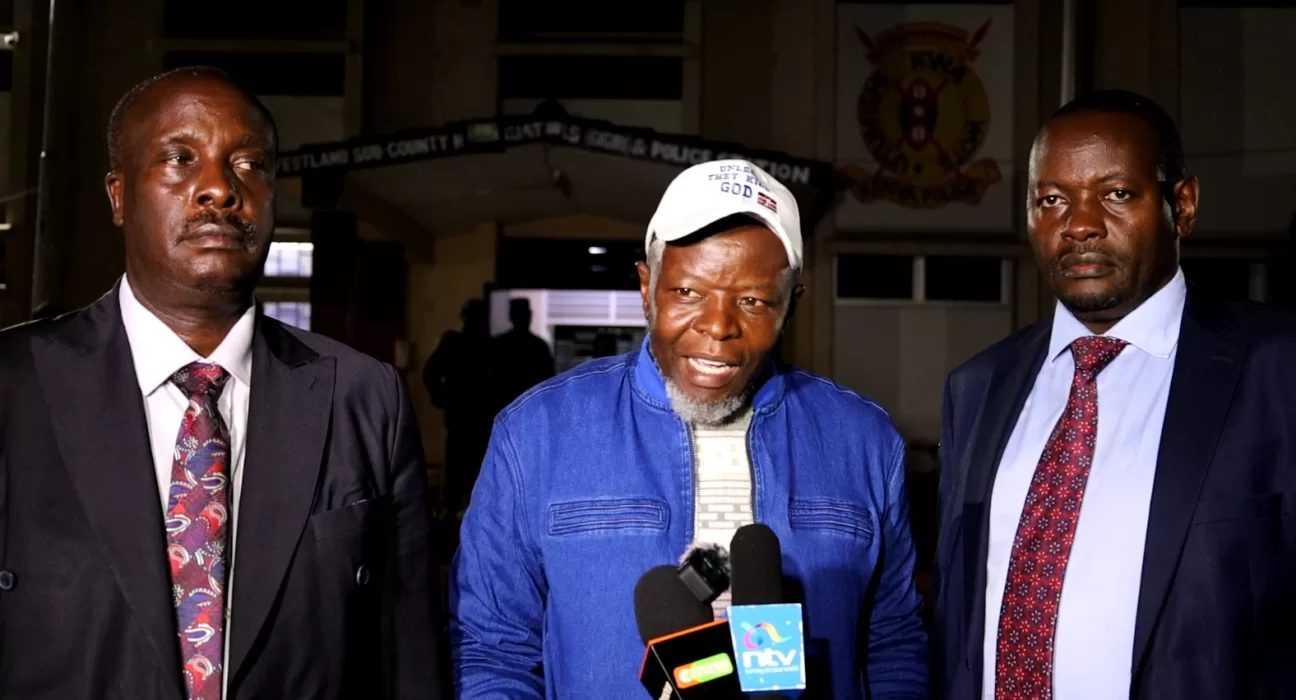
Controversial businessman Philip Aroko has accused Homa Bay Governor Gladys Wanga of orchestrating his summoning by the Directorate of Criminal Investigations (DCI) over the murder of Kasipul MP Charles Ong’ondo Were.
Speaking shortly after presenting himself to DCI officers in Nairobi on Wednesday night, Aroko denied any involvement in the assassination and maintained his innocence, saying he was ready to cooperate with investigators.
However, he used the moment to launch a political broadside against the county leadership, blaming Governor Wanga for what he termed a politically motivated smear campaign.
“The situation we are in is very unfortunate, and because it’s under investigation, I won’t comment much. The police have summoned me, and I am here. If anyone has questions, I am ready to answer,” Aroko said.
“But I want to tell the people of Homa Bay that the politics in that county has turned into madness — it’s no longer politics, it’s thuggery. I saw the governor pushing so hard for me to be summoned. She even made calls to the police. Well, she’s achieved it now.”
Aroko went on to allege that individuals involved in political violence within the county are employed by the county government.
“We are changing the politics in Kasipul from thuggery to civilized engagement. Those who fight, maim, and kill people are employees of the Homa Bay County government — they are on her payroll,” he claimed, without providing evidence.
Governor Wanga has not publicly responded to the allegations.
Aroko’s remarks come just hours after the DCI named him a person of interest in the ongoing investigation into the killing of MP Were.
The agency directed him to surrender to the nearest police station, emphasizing that the order was non-negotiable.
“The DCI urges Philip Nahashon Aroko to present himself to the nearest police station without delay. This is not optional. His cooperation is vital to the progress of this investigation,” read a statement issued Wednesday evening.
Aroko, a native of Homa Bay County and a potential candidate for the Kasipul parliamentary seat in the 2027 elections, has denied going into hiding.
His lawyer, Danstan Omari, insisted that Aroko had been available and was willing to cooperate fully with law enforcement.
Interior Cabinet Secretary Kipchumba Murkomen has since revealed that preliminary findings in the probe have implicated individuals close to the slain MP.
“It will shock you to learn that this heinous crime was executed in a cavalier manner by individuals who should have been protecting the Member of Parliament,” Murkomen said during a Jukwaa la Usalama forum in Meru.
MP Were was gunned down near the City Mortuary roundabout in Nairobi in what authorities suspect was a targeted killing.
As investigations intensify, police have so far arrested 10 suspects in connection with the murder.
Kenya Insights allows guest blogging, if you want to be published on Kenya’s most authoritative and accurate blog, have an expose, news TIPS, story angles, human interest stories, drop us an email on [email protected] or via Telegram











Court Brands Sh1.1 Billion Fee Demand by Lawyer Victor Swanya “Excessive and Exorbitant,” Exposes How City Hall Lets Public Money Bleed Through Legal Bills

Trump Unveils New Air Force One

MR. NO SHOW: Finance Bill 2026 Exposes Ndindi Nyoro’s Political Conmanship

Billionaire Eric Muli Rebukes Musalia Mudavadi Over Nairobi Capital Relocation Debate

Lawyer Cliff Ombeta Warns Against Taking Insurance Cover With Old Mutual: “Talk to Me Before You Do, Their Imara Cover Is a Fraud”

My Life Is In Danger: Investor Drops Bombshell Expose On Thomas Ogutu CEO VeGrid Ltd And Fugitive Nairobi CEC Charles Kerich – DCI Inaction And Corruption Network Exposed

City Tycoon Chris Obure Returns To Senteu Plaza After Court Victory

NCBA’s Repossession Empire: How Borrowers Lose Their Cars While the Bank Profits at Every Step

Ex-First Lady Margaret Kenyatta and Siblings Move to Block Widow from Late Brother’s Sh50 Million Estate

Inside the Billion-Shilling Betrayal: How Senior Treasury Officials Plundered a UN Poverty Fund and Built a Real Estate Empire on the Backs of Kenya’s Rural Poor

Businessman Philip Waithaka Kinuthia’s Minor Son Allegedly Drove Drunk, Killed Two Peponi Students in Ngong Road Horror Crash as Claims of Cover-Up Intensify

Inside NCBA’s Decline: How a Banking Giant Lost Its Strategic Edge

Cement, Cash and Courts: How the Hashu Dynasty Crushed the Ramji Brothers for Fourteen Years and Why the Walls Are Now Closing In

Standard Chartered Ghosts Haunt Joshua Oigara At Stanbic As Whistleblower Spills Beans

Inside The Urban Planning Cartel That Owns Nairobi

South Sudan: Adut Salva Kiir’s Shadow Treasury Exposed

How Adil Popat Saved His Empire On The Eve Of Imperial Bank Collapse and Why Kenya’s Mainstream Media Buried The Story

Why John Ngumi Is Running From the EACC and Why the Sh415 Million Payday May Be the Least of His Worries

The President’s Daughter and The Missing Witness: How Adut Salva Kiir’s Shadow Treasury Silenced Its Most Dangerous Critic

THE VULTURE AND THE SCHEME How Nairobi West Hospital Became the Most Dangerous Institution in Kenya’s SHA Ecosystem and Why the Books Must Be Audited Now
-
 News6 days ago
Businessman Philip Waithaka Kinuthia’s Minor Son Allegedly Drove Drunk, Killed Two Peponi Students in Ngong Road Horror Crash as Claims of Cover-Up Intensify
-
 Business2 weeks ago
Inside NCBA’s Decline: How a Banking Giant Lost Its Strategic Edge
-
 Business1 week ago
Standard Chartered Ghosts Haunt Joshua Oigara At Stanbic As Whistleblower Spills Beans
-
 Africa1 week ago
South Sudan: Adut Salva Kiir’s Shadow Treasury Exposed
-
 Business1 week ago
How Adil Popat Saved His Empire On The Eve Of Imperial Bank Collapse and Why Kenya’s Mainstream Media Buried The Story
-
 Business1 week ago
Why John Ngumi Is Running From the EACC and Why the Sh415 Million Payday May Be the Least of His Worries
-
 Africa1 week ago
The President’s Daughter and The Missing Witness: How Adut Salva Kiir’s Shadow Treasury Silenced Its Most Dangerous Critic
-
 Investigations2 days ago
THE VULTURE AND THE SCHEME How Nairobi West Hospital Became the Most Dangerous Institution in Kenya’s SHA Ecosystem and Why the Books Must Be Audited Now