
Business
Why PayPal Is Freezing Kenyan Accounts in Massive Crackdown
Kenya’s inclusion on the grey list of the Financial Action Task Force has added another layer of scrutiny.

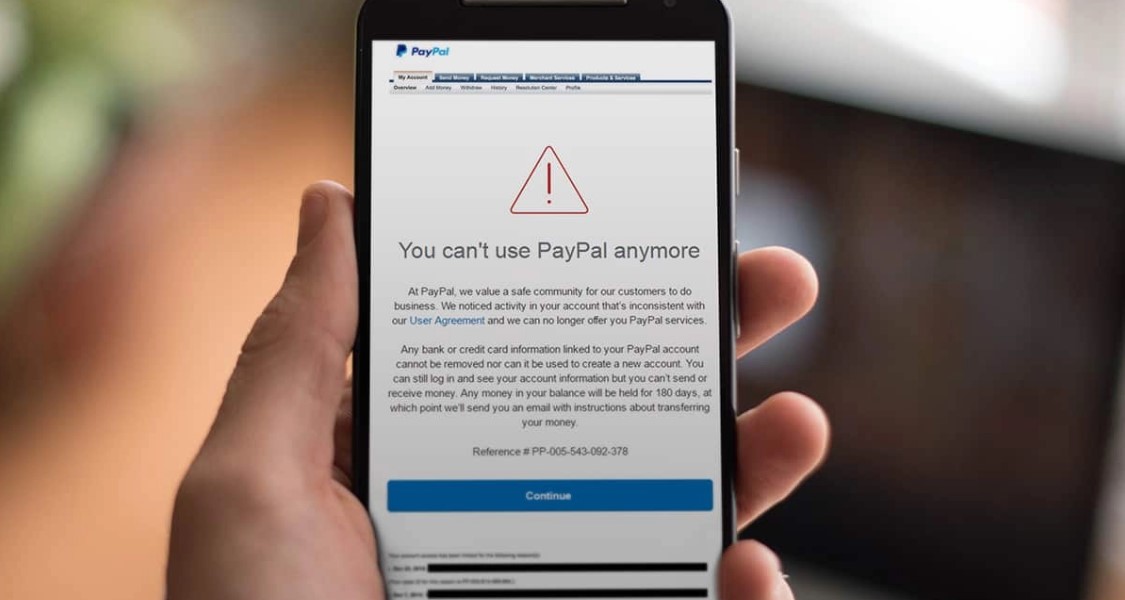
For years, PayPal has been the lifeline connecting Kenyan freelancers, online traders, software developers and digital entrepreneurs to clients across the globe. Today, that lifeline is becoming increasingly difficult to access as the American payments giant freezes funds, restricts withdrawals and permanently blocks some Kenyan accounts in a sweeping compliance crackdown.
The move has triggered anxiety among thousands of Kenyans who depend on the platform to receive payments from overseas clients. Many users report being unable to access their money after PayPal demanded additional documents to verify their identity, source of income and residential details. Accounts that fail to satisfy the requirements risk being restricted for up to six months while others are permanently limited.
At the heart of the crackdown is a growing global push against money laundering, terrorism financing and online fraud. Financial institutions worldwide are under intense pressure from regulators to know exactly who is sending money, who is receiving it and why transactions are taking place.
Kenya’s inclusion on the grey list of the Financial Action Task Force has added another layer of scrutiny. The watchdog placed Kenya under increased monitoring in 2024 after identifying weaknesses in the country’s anti-money laundering and counter-terrorism financing systems. While being grey-listed does not mean a country is involved in illicit activity, it signals to international financial institutions that transactions linked to that jurisdiction require closer examination.
For PayPal, that means more questions and more paperwork.
Affected users say the company is requesting employment contracts, invoices, bank statements, copies of identification documents and proof of physical address before allowing funds to be withdrawn. Some users have reported submitting the requested documents only to have their accounts permanently limited after further reviews.
The situation has exposed a challenge unique to many Kenyan users. Unlike countries with highly structured addressing systems, many Kenyans do not have utility bills or formal street addresses that easily satisfy international verification requirements. As a result, even legitimate account holders can struggle to provide the documentation requested by global payment platforms.
The impact is being felt most strongly within Kenya’s growing digital economy. Thousands of freelancers rely on PayPal to receive payments for writing, software development, graphic design, virtual assistance and other remote services. For many, delayed access to earnings means delayed rent, school fees and business operations.
The crackdown comes at a time when online work is becoming an increasingly important source of foreign income for Kenya. Following the collapse or exit of several international gig-work platforms in recent years, many freelancers have become even more dependent on reliable payment channels.
PayPal insists that such reviews are part of efforts to combat fraud and comply with international regulations. The company says it screens accounts against government watch lists and may request additional information to verify customer identities and business activities. Suspicious transactions can also be reported to financial intelligence agencies.
Globally, payment firms have become far more cautious after regulators imposed heavy fines on banks and financial technology companies accused of weak anti-money laundering controls. As a result, firms are increasingly relying on automated systems that flag unusual account activity, sudden increases in transaction volumes or payments that do not match a user’s historical patterns.
For Kenyan users, the message is becoming clear. Receiving money online is no longer just about having a PayPal account. It is increasingly about proving who you are, where you live and exactly how you earn your income.
Until Kenya exits enhanced international monitoring and global payment firms become more comfortable with the country’s risk profile, many freelancers and online entrepreneurs may continue facing tougher checks before they can access money earned from clients abroad.
Kenya Insights allows guest blogging, if you want to be published on Kenya’s most authoritative and accurate blog, have an expose, news TIPS, story angles, human interest stories, drop us an email on [email protected] or via Telegram


Tanzanian President Visits Russia

Safaricom Has Never Told Its 29.5 Million Customers That Their Stolen Data Is In Unauthorised Hands And The Company It Accuses Of Buying It Is Still Its Client

Why PayPal Is Freezing Kenyan Accounts in Massive Crackdown

Inside Bharat Thakrar’s Plot for a Hostile Scangroup Takeover

The Man Who Keeps Coming Back: How a Corrupt History and a Missing Masters Degree Could Finally Lock Wamukota Out of the KETRACO Corner Office

Yet Another Blow for Bia Tosha as Court Rejects Bid to Halt Diageo–Asahi Transaction

US to Slash Number of African Embassies Processing Visas from 50 to 20, Kenya Remains a Key Hub

Trump Picks Veteran Crisis Diplomat Henry Wooster as New U.S. Ambassador to Kenya

Former Catholic Priest Arrested Over Alleged Treasonous Social Media Posts

Hundreds Protest Against Planned US Ebola Quarantine Facility in Kenya

Why Ruto’s Favourite Candidate Adan Mohammed Could Be Locked Out of the KRA Top Job

Este Medical Kenya Fights American’s Explosive Complaints

Safaricom’s Sh1.4 Billion Reckoning: How Kenya’s Most Profitable Company Stole a Man’s Idea and Got Caught

LifeCare on the Brink: SHA Fraud, Stolen Wages, and the Rotten Empire Jayesh Saini Built

The Rot Inside Absa: How Bank Insiders Are Looting Nairobi’s Customers

The $24 Million Heist at the End of the World

Denial Under Duress: The Untold Collapse Threatening David Lagat’s DL Group’s Empire

THE INSURER THAT TOOK YOUR PREMIUM AND FORGOT YOUR NAME: How ICEA Lion Left a Client Begging for Sh7.8 Million Across Four Months

Court Confirms Safaricom Customers Data Was Sold To Betting Companies In Seven-Year Cover-Up

Eight Students Arrested In Kenya After Suspected Deadly School Arson Attack
-
 News1 week ago
Este Medical Kenya Fights American’s Explosive Complaints
-
 Investigations1 week ago
LifeCare on the Brink: SHA Fraud, Stolen Wages, and the Rotten Empire Jayesh Saini Built
-
 News5 days ago
Eight Students Arrested In Kenya After Suspected Deadly School Arson Attack
-
 Americas1 week ago
Inside FAFSA Fraud: How Kenyan Cybercriminals Siphoned Millions from America’s Sh12 Billion Student Loan System
-

 Investigations1 week ago
LSK On The Spot For Renewing Rogue Lawyer Dennis Onyango’s Licence Despite Mounting Evidence He Held Foreign Investors’ Millions Hostage
-

 Investigations2 days ago
Betika Faces DCI Probe, Directors Arrest and License Revocation Over Massive 29.5 Million Safaricom Customers’ Data Breach
-

 Business1 day ago
THE GREAT HOLLOWING: How James Mworia Extracted KES 750 Million While 33,000 Centum Shareholders Lost Everything
-

 Investigations3 days ago
29.5 Million Safaricom Customers’ Data Breach Lands Odibets Boss Andrew Aligula In Police Custody, Firm Now Operating On A Thin Line Of Court Order