
World
US Hits Iranian Missile Sites Despite Ceasefire
Analysts say the latest developments show the fragility of the ceasefire, even as diplomatic optimism briefly lifted after comments from US officials suggesting a possible breakthrough.

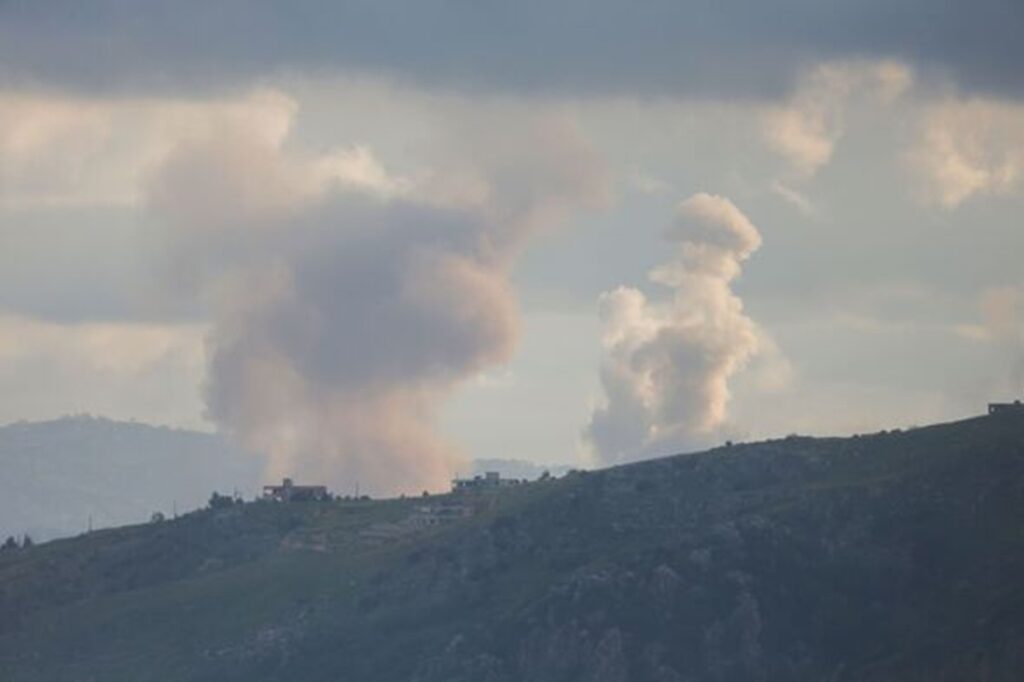
The United States carried out strikes on missile-related targets in southern Iran on Monday, even as diplomatic efforts continued in Doha to negotiate an end to the conflict, US Central Command said.
US Central Command spokesman Tim Hawkins said in a statement that the US forces conducted what he described as defensive operations “to protect our troops from threats posed by Iranian forces,” adding that the targets included missile launch sites and boats allegedly preparing to deploy naval mines. No further operational details were provided.
“US forces conducted self-defence strikes in southern Iran today to protect our troops from threats posed by Iranian forces,” Tim Hawkins said.
The strikes come despite a fragile ceasefire that has held since April 8, as Washington and Tehran continue talks aimed at ending a war that has disrupted global energy markets.
US President Donald Trump also weighed in on the diplomatic efforts, saying in a social media post that Iran’s enriched uranium should either be handed over to the United States for destruction or eliminated under international supervision.
He suggested the process should be witnessed by the International Atomic Energy Agency or a similar body, though it was unclear whether his remarks reflected an official negotiating position.
“The Enriched Uranium (Nuclear Dust!) will either be immediately turned over to the United States to be brought home and destroyed or, preferably, in conjunction and coordination with the Islamic Republic of Iran, destroyed in place or, at another acceptable location, with the Atomic Energy Commission, or its equivalent, being witness to this process and event,” Trump wrote.
Earlier on Monday, Trump said it should be mandatory for Saudi Arabia, the United Arab Emirates, Qatar, Pakistan, Egypt, Turkey, Bahrain and Jordan to sign up to the Abraham Accords, a set of agreements brokered in 2020 with nations historically hostile to Israel, as part of a peace deal with Iran.
Trump said he had spoken to the leaders of those countries on Saturday about efforts to end the war with Iran. Bahrain and the UAE have already signed the accords, along with Morocco and Sudan.
While some of those countries have been linked to past US-led normalisation efforts with Israel, several Gulf states have repeatedly stated that formal ties with Israel depend on progress toward a Palestinian state.
Analysts say the latest developments show the fragility of the ceasefire, even as diplomatic optimism briefly lifted after comments from US officials suggesting a possible breakthrough.
Kenya Insights allows guest blogging, if you want to be published on Kenya’s most authoritative and accurate blog, have an expose, news TIPS, story angles, human interest stories, drop us an email on [email protected] or via Telegram


US Hits Iranian Missile Sites Despite Ceasefire

‘Puzzle Over Mysterious Chinese Woman ‘Chimu Electric’ With Questionable Documents Bagging Multibillion On State Tenders

LifeCare on the Brink: SHA Fraud, Stolen Wages, and the Rotten Empire Jayesh Saini Built

Senegal’s Parliament Speaker Quits Two Days After Prime Minister Is Sacked

Inside FAFSA Fraud: How Kenyan Cybercriminals Siphoned Millions from America’s Sh12 Billion Student Loan System

LSK On The Spot For Renewing Rogue Lawyer Dennis Onyango’s Licence Despite Mounting Evidence He Held Foreign Investors’ Millions Hostage

Your Medical Records Were Wide Open: How Three Digital Lenders Hacked the Heart of Kenya’s Health System and the DHA Chief Who Looked Away

DENTIST IN DISGUISE: How Este Medical Kenya’s Co-Founder Allegedly Prescribed Medicines Outside Her Scope, Lied to Police, and Weaponised the Law Against a Foreign Patient

Nigerians Arrested in Thailand Over AI Dating Scam

Senegal President Sacks PM Sonko, Dissolves Government After Months of Friction

How Did a Sh468K KRA Salary Allegedly Turn Into Sh30 Billion? Questions Deepen Over Commissioner George Obel and Ciala Resort Owner’s Wealth

Why Ruto’s Favourite Candidate Adan Mohammed Could Be Locked Out of the KRA Top Job

Green Gold, Rotten Roots: How Kenya’s Biggest Avocado Firms Hijacked a Sh5.8 Billion Harvest Ban

Safaricom’s Sh1.4 Billion Reckoning: How Kenya’s Most Profitable Company Stole a Man’s Idea and Got Caught

The $24 Million Heist at the End of the World

The Rot Inside Absa: How Bank Insiders Are Looting Nairobi’s Customers

Denial Under Duress: The Untold Collapse Threatening David Lagat’s DL Group’s Empire

THE INSURER THAT TOOK YOUR PREMIUM AND FORGOT YOUR NAME: How ICEA Lion Left a Client Begging for Sh7.8 Million Across Four Months

The President’s Helicopter: How Ruto’s Aviation Empire Lands a Historic Airbus Milestone While His Government Writes the Tax Code

Bush Air Safaris Founder John Ndiritu Risks Losing Property Over Disputed Loan Claim
-
 News1 week ago
Why Ruto’s Favourite Candidate Adan Mohammed Could Be Locked Out of the KRA Top Job
-
 Business2 weeks ago
The Rot Inside Absa: How Bank Insiders Are Looting Nairobi’s Customers
-
 Business2 weeks ago
The President’s Helicopter: How Ruto’s Aviation Empire Lands a Historic Airbus Milestone While His Government Writes the Tax Code
-

 Business1 week ago
Court Confirms Safaricom Customers Data Was Sold To Betting Companies In Seven-Year Cover-Up
-

 Arts & Culture2 weeks ago
“TikTok Who? YouTube Sorry. A Kenyan-Built Platform Just Dropped—and 20 African Ministers Showed Up To Launch It.”
-
 Business7 days ago
Blocked: How Mombasa Tycoon Ashok Doshi Has Stopped Imperial Bank Depositors From Getting Their Money
-

 Business1 week ago
Paybill 585555: How Airtel Kenya’s Interoperability Gateway Became A Criminal Pipeline Draining Millions From Unsuspecting M-Pesa Users
-
 News1 day ago
DENTIST IN DISGUISE: How Este Medical Kenya’s Co-Founder Allegedly Prescribed Medicines Outside Her Scope, Lied to Police, and Weaponised the Law Against a Foreign Patient