
Economy
How US-Israeli Strikes on Iran Are Hitting Kenya’s Economy
Kenya imported goods worth more than Sh550 billion from Gulf economies last year, led by refined petroleum products, fertiliser, machinery and electronics.

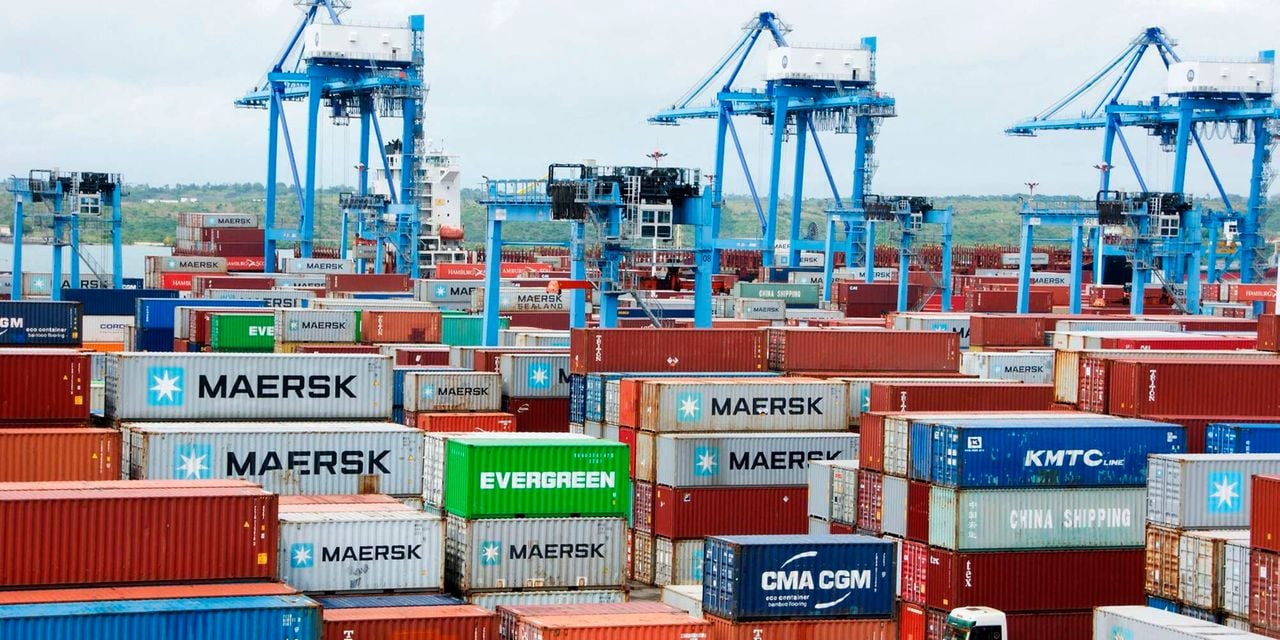
NAIROBI, March 3 — The economic aftershocks of joint military strikes by the United States and Israel on Iran are being felt thousands of kilometres away in Kenya, threatening trade flows, raising fuel costs and unsettling key foreign exchange earners.
The escalation has rattled global energy and shipping markets, with crude oil prices climbing sharply amid fears of supply disruption through the Strait of Hormuz, the narrow channel that carries roughly a fifth of the world’s oil shipments. Any sustained blockage or security threat along that corridor translates directly into higher freight, insurance and energy costs for import-dependent economies such as Kenya.
For Nairobi, the exposure is significant. Kenya imported goods worth more than Sh550 billion from Gulf economies last year, led by refined petroleum products, fertiliser, machinery and electronics. At the same time, exports to the region have nearly doubled in three years, reaching about Sh165 billion, dominated by tea, coffee, meat, flowers and re-exported jet fuel.
A spike in oil prices would feed quickly into pump prices at home. Fuel is a major input cost across transport, agriculture and manufacturing. Diesel powers trucks that move goods inland, generators that support industrial production and irrigation systems in farming belts. Higher fuel prices therefore risk reigniting inflationary pressures just as households grapple with elevated food and borrowing costs.
The government-to-government fuel import arrangement with Gulf suppliers could also face stress. Kenya currently sources cargoes from firms including Saudi Aramco, Emirates National Oil Co and Abu Dhabi National Oil Co under a credit framework designed to ease pressure on foreign exchange reserves. While the agreement cushions the country from spot market volatility, prolonged conflict could push up premiums and freight rates embedded in the supply chain.
Air transport has already taken a hit. Middle Eastern hubs that connect Africa to Europe, Asia and North America have experienced disruptions, forcing rerouting and flight suspensions. Kenya Airways has in recent days reviewed its Gulf schedules as airspace closures complicate operations. The impact extends beyond passenger travel. Kenya’s horticulture industry depends heavily on air freight to ship fresh produce to high-value markets. Delays and higher cargo charges erode margins for exporters already contending with currency fluctuations and compliance costs.
The Gulf also plays an outsized role in Kenya’s aviation fuel re-export business. Carriers such as Emirates and Qatar Airways regularly uplift jet fuel in Nairobi, making refuelling at Jomo Kenyatta International Airport a significant source of foreign exchange. Any reduction in traffic through these hubs threatens that revenue stream.
Trade data underline the scale of exposure. The United Arab Emirates is Kenya’s largest Middle Eastern trading partner, accounting for the bulk of both exports and imports. Saudi Arabia follows closely, particularly in energy supplies. Disruptions in these markets could squeeze Kenyan exporters of tea and meat while raising import bills for fuel and industrial inputs.
President William Ruto has called for de-escalation and diplomatic engagement, warning that wider conflict in the Middle East poses a threat to global stability and economic recovery. For policymakers in Nairobi, the immediate challenge lies in containing inflationary spillovers while safeguarding foreign exchange reserves.
Analysts say the depth of the impact will depend on the duration and scale of the conflict. A brief flare-up may cause temporary volatility in oil and freight markets. A protracted confrontation that draws in additional regional actors would amplify risks to shipping lanes, commodity prices and investor sentiment across emerging markets.
For Kenya’s private sector, the calculus is already shifting. Importers face higher landed costs, exporters must navigate uncertain logistics, and consumers brace for possible increases in fuel and transport charges. In an interconnected global economy, shocks in the Gulf rarely remain regional. For Nairobi, the geopolitical tremors now carry tangible economic consequences.
Kenya Insights allows guest blogging, if you want to be published on Kenya’s most authoritative and accurate blog, have an expose, news TIPS, story angles, human interest stories, drop us an email on [email protected] or via Telegram


Yet Another Blow for Bia Tosha as Court Rejects Bid to Halt Diageo–Asahi Transaction

US to Slash Number of African Embassies Processing Visas from 50 to 20, Kenya Remains a Key Hub

Trump Picks Veteran Crisis Diplomat Henry Wooster as New U.S. Ambassador to Kenya

Former Catholic Priest Arrested Over Alleged Treasonous Social Media Posts

Hundreds Protest Against Planned US Ebola Quarantine Facility in Kenya

President Ruto Defends Laikipia Ebola Quarantine Centre, Tells Critics to ‘Relax’

“Raila Died Walking, He Didn’t Collapse,” Maurice Ogeta Breaks Silence On His Boss’ Final Moments

Bolt Denies Viral Exit Claims, Says Kenya Operations Remain Fully Active

Secret Trident Meetings, Claims of Millions Exchanged: Fresh Questions Raised Over PCF Boss Mohammed Sahal’s Role in Insurance Battle

The Kamukunji Cash Pit: Ghost School, Phantom Audit Trails and NG-CDF Manager Who Refuses to Leave

Why Ruto’s Favourite Candidate Adan Mohammed Could Be Locked Out of the KRA Top Job

Este Medical Kenya Fights American’s Explosive Complaints

Safaricom’s Sh1.4 Billion Reckoning: How Kenya’s Most Profitable Company Stole a Man’s Idea and Got Caught

LifeCare on the Brink: SHA Fraud, Stolen Wages, and the Rotten Empire Jayesh Saini Built

The Rot Inside Absa: How Bank Insiders Are Looting Nairobi’s Customers

The $24 Million Heist at the End of the World

Denial Under Duress: The Untold Collapse Threatening David Lagat’s DL Group’s Empire

THE INSURER THAT TOOK YOUR PREMIUM AND FORGOT YOUR NAME: How ICEA Lion Left a Client Begging for Sh7.8 Million Across Four Months

Court Confirms Safaricom Customers Data Was Sold To Betting Companies In Seven-Year Cover-Up

Eight Students Arrested In Kenya After Suspected Deadly School Arson Attack
-
 News1 week ago
Este Medical Kenya Fights American’s Explosive Complaints
-
 Investigations1 week ago
LifeCare on the Brink: SHA Fraud, Stolen Wages, and the Rotten Empire Jayesh Saini Built
-
 News5 days ago
Eight Students Arrested In Kenya After Suspected Deadly School Arson Attack
-
 Americas1 week ago
Inside FAFSA Fraud: How Kenyan Cybercriminals Siphoned Millions from America’s Sh12 Billion Student Loan System
-

 Investigations1 week ago
LSK On The Spot For Renewing Rogue Lawyer Dennis Onyango’s Licence Despite Mounting Evidence He Held Foreign Investors’ Millions Hostage
-

 Investigations2 days ago
Betika Faces DCI Probe, Directors Arrest and License Revocation Over Massive 29.5 Million Safaricom Customers’ Data Breach
-

 Investigations3 days ago
29.5 Million Safaricom Customers’ Data Breach Lands Odibets Boss Andrew Aligula In Police Custody, Firm Now Operating On A Thin Line Of Court Order
-
 News3 days ago
How Uhuru’s Deal With Obama In 2015 Paved Way For America’s Ebola Plan In Kenya