
Africa
Tanzania Limits Fuel Sale To Boda Boda Ahead of Dec 9 Protests
Officials said the measure is intended to limit movement ahead of planned demonstrations in December.

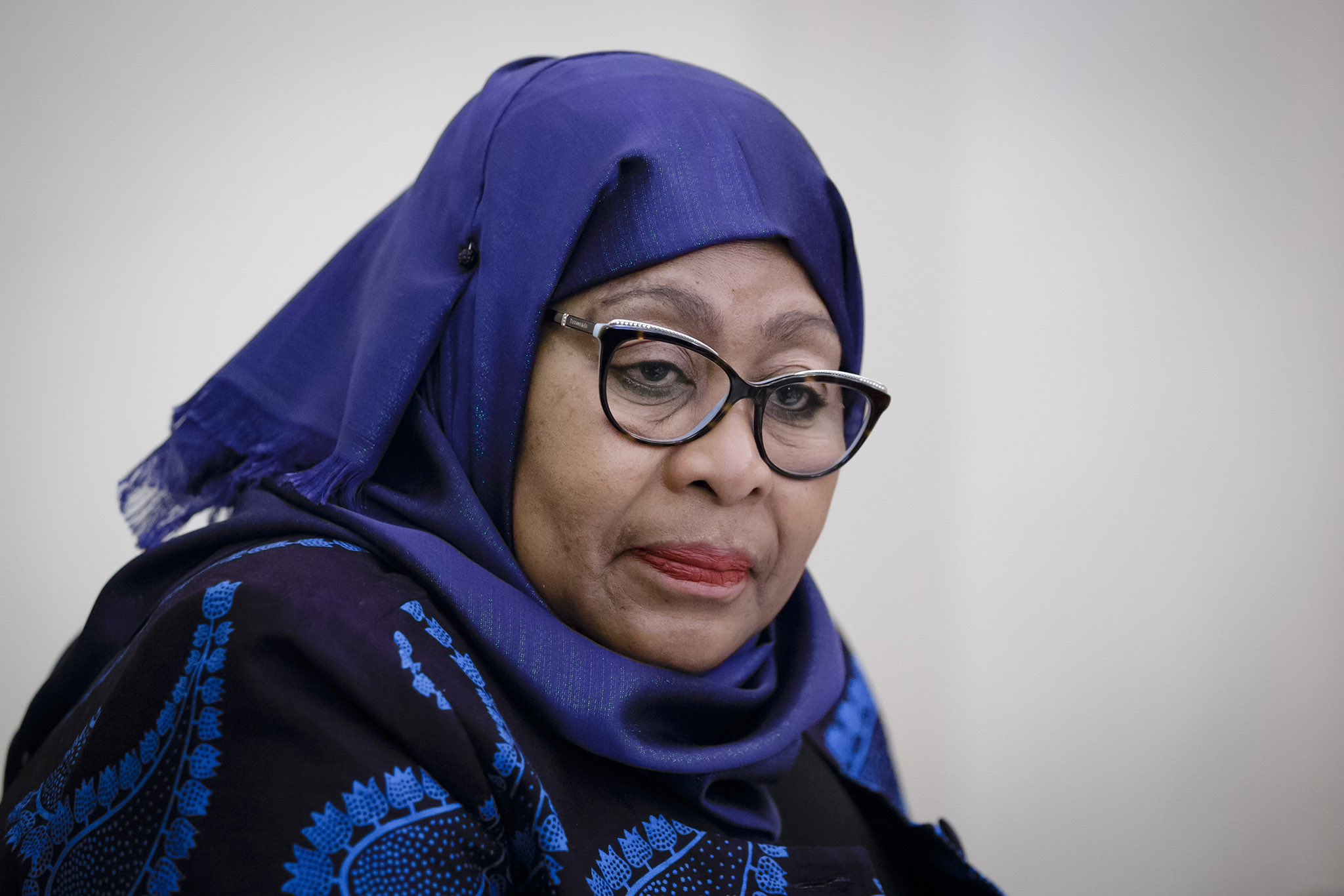
The Tanzanian government has directed petrol stations across the country not to sell more than two litres of fuel to tuk-tuk and boda boda operators.
Officials said the measure is intended to limit movement ahead of planned demonstrations in December.
Youth groups have called for protests on December 9 over the re-election of President Samia Suluhu Hassan.
The directive was issued on Wednesday by the Officer Commanding District (OCD) in Chunya, N. M. John, who said the move aims to prevent mobility that could facilitate unrest.
“Sell them only a small amount of fuel, not more than two litres, because when you sell them a lot of fuel, you are enabling them to move from point A to point B and continue causing destruction,” he said.
Tanzania has been on edge since October 28, when voters went to the polls to elect the president and Members of the National Assembly.
Opposition leaders have raised concerns about irregularities and intimidation during the process, with some candidates reportedly blocked from contesting or detained.
President Suluhu was declared the winner with 98 per cent of the vote.
Opposition parties rejected the results, calling the exercise a mockery of democracy.
There have been claims by opposition groups that protesters were killed during demonstrations, though the government has denied these reports.
International observers also criticised the electoral process, citing transparency and fairness concerns.
In her victory speech on November 1, President Suluhu defended the election as “free and democratic” and thanked security forces for maintaining order during voting, adding that some protesters were “unpatriotic.”
Further controversy arose after a CNN report alleged police involvement in shootings during protests.
The government dismissed the claims but promised a comprehensive response.
OCD John said police were engaging fuel traders to ensure they do not inadvertently facilitate criminal activity during the protests.
“We are also telling fuel transporters not to sell fuel randomly along the road. We have strengthened our patrols in those areas, at fuel stations, and we are monitoring vehicles that transport fuel,” he said.
He added that those found selling fuel illegally along the roadside could face legal action.
“Anyone found parked by the roadside selling fuel illegally — one litre, two litres — we will not hesitate to take action in accordance with the law,” he said.
Kenya Insights allows guest blogging, if you want to be published on Kenya’s most authoritative and accurate blog, have an expose, news TIPS, story angles, human interest stories, drop us an email on [email protected] or via Telegram


Messi, Ronaldo Set To Play In World Cup For 6th Time

How Joho Brokered Deal to Free 7 Kenyan Seafarers Jailed in Tanzania for 20 Years Over Human Trafficking

Calls Mount for Probe Into Garissa Woman Rep Edo Udgoon Siyad Over Alleged Role in Controversial Land Transactions Linked to Nzoia Sugar Disputes

Embarrassing State House Gaffe as Hussein Mohamed Names Wrong Japanese Prime Minister, Then Quietly Deletes Statement

A Packet of Milk, A Public Strip Search and 26 Years Thrown Away: The Ugly Face of Lipton Teas’ Kenyan Operations Exposed

The Listing That Doesn’t Lie: What the Market Isn’t Saying About Family Bank’s NSE Debut

8 Dead After US Air Force B-52 Bomber Crashes Shortly After Takeoff In California

Sh11 Billion Zakhem Debt Bombshell Rocks Kenya Pipeline Three Months After IPO, As Questions Mount Over What Investors Were Told

How A Convicted Zimbabwean Fraudster Quietly Bought His Way Into Kenya’s Sh375 Billion JKIA Mega-Deal

How an Egyptian-Headquartered AI Medical Platform Harvested the Sensitive Health Data of Over 60,000 Kenyans — Leaving Thousands Exposed to a Mega Privacy Catastrophe in Foreign Hands

Inside NCBA’s Decline: How a Banking Giant Lost Its Strategic Edge

Businessman Philip Waithaka Kinuthia’s Minor Son Allegedly Drove Drunk, Killed Two Peponi Students in Ngong Road Horror Crash as Claims of Cover-Up Intensify

Cement, Cash and Courts: How the Hashu Dynasty Crushed the Ramji Brothers for Fourteen Years and Why the Walls Are Now Closing In

Standard Chartered Ghosts Haunt Joshua Oigara At Stanbic As Whistleblower Spills Beans

Inside The Urban Planning Cartel That Owns Nairobi

South Sudan: Adut Salva Kiir’s Shadow Treasury Exposed

Why Ruto’s Favourite Candidate Adan Mohammed Could Be Locked Out of the KRA Top Job

Why John Ngumi Is Running From the EACC and Why the Sh415 Million Payday May Be the Least of His Worries

Betika Faces DCI Probe, Directors Arrest and License Revocation Over Massive 29.5 Million Safaricom Customers’ Data Breach

The President’s Daughter and The Missing Witness: How Adut Salva Kiir’s Shadow Treasury Silenced Its Most Dangerous Critic
-
 Business6 days ago
Inside NCBA’s Decline: How a Banking Giant Lost Its Strategic Edge
-
 News1 day ago
Businessman Philip Waithaka Kinuthia’s Minor Son Allegedly Drove Drunk, Killed Two Peponi Students in Ngong Road Horror Crash as Claims of Cover-Up Intensify
-
 Investigations2 weeks ago
Cement, Cash and Courts: How the Hashu Dynasty Crushed the Ramji Brothers for Fourteen Years and Why the Walls Are Now Closing In
-
 Business5 days ago
Standard Chartered Ghosts Haunt Joshua Oigara At Stanbic As Whistleblower Spills Beans
-
 Investigations1 week ago
Inside The Urban Planning Cartel That Owns Nairobi
-
 Africa4 days ago
South Sudan: Adut Salva Kiir’s Shadow Treasury Exposed
-
 Business4 days ago
Why John Ngumi Is Running From the EACC and Why the Sh415 Million Payday May Be the Least of His Worries
-
 Africa5 days ago
The President’s Daughter and The Missing Witness: How Adut Salva Kiir’s Shadow Treasury Silenced Its Most Dangerous Critic