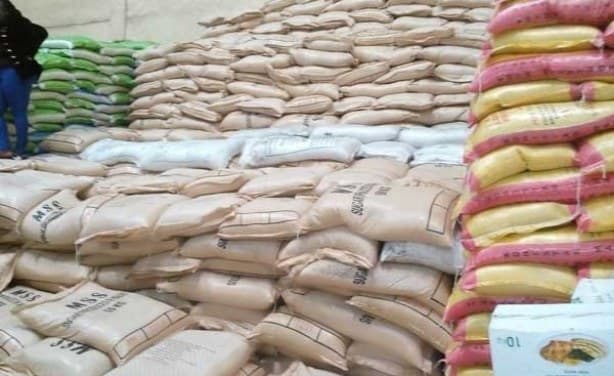
Multi-agency operation uncovers massive smuggling operation in coastal town as authorities intensify crackdown on illicit trade
Several tonnes of contraband sugar worth Sh873 million remain impounded at a private warehouse in Shimoni, Kwale County, following a major bust that has exposed the sophisticated smuggling networks operating along Kenya’s porous coastline.
The massive haul, discovered approximately three months ago, represents one of the largest single seizures of illicit sugar in recent memory and underscores the scale of contraband trade that continues to thrive despite government efforts to curb the practice.
According to investigations, the smuggled goods arrived at the coastal town on June 3, 2025, and were swiftly intercepted by authorities shortly after being offloaded from a vessel. The timing of the seizure suggests intelligence-led operations by multi-agency teams that have been monitoring suspicious maritime activities along the coast.
Shimoni, traditionally known as a fishing town in Kwale County, has increasingly become a focal point for smuggling operations due to its strategic location and numerous landing sites that make surveillance challenging. The town’s proximity to international waters and its network of creeks provide ideal conditions for smugglers seeking to bypass official ports of entry.
The discovery forms part of a broader pattern of contraband seizures that have rocked Kenya’s coastal region in recent months. Sugar has accounted for nearly half of the goods smuggled across Kenya’s porous border points, highlighting the commodity’s central role in illicit trade networks.
The Shimoni seizure came amid heightened enforcement activities by the Kenya Revenue Authority and other agencies.
Just two days after the June 3 bust, authorities intercepted an additional 144 bags of sugar at the Lunga Lunga and Taveta One Stop Border Posts, with the combined value of these seizures exceeding Sh15 million.
The crackdown continued on June 12, when multi-agency teams nabbed more consignments of cooking oil and sugar at the Taveta border, demonstrating the coordinated nature of smuggling operations across multiple entry points.
More recently, the war against contraband goods intensified on August 22, when three lorries carrying 676 bags of counterfeit sugar and cooking oil worth Sh10 million were impounded at the Sabaki Bridge roadblock along the Malindi-Garsen Highway in Kilifi County. According to the Anti-Counterfeit Authority, the intercepted sugar originated from Somalia.
The persistence of sugar smuggling reflects broader challenges facing Kenya’s struggling domestic sugar industry. The collapse of the country’s once booming sugar industry has created a thriving illicit cross-border trade, as cheaper imported alternatives flood the market through unofficial channels.
These smuggling operations not only deprive the government of crucial tax revenue but also pose significant health risks to consumers. Contraband sugar often bypasses mandatory quality and safety inspections by regulatory bodies such as the Kenya Bureau of Standards, potentially exposing the public to substandard or contaminated products.
The Shimoni warehouse seizure also highlights the sophisticated logistics networks employed by smuggling syndicates. The ability to store such large quantities of contraband goods suggests well-established supply chains and storage facilities that enable smugglers to operate on an industrial scale.
Authorities have not disclosed whether any arrests have been made in connection with the Shimoni seizure, but the scale of the operation suggests involvement of organized criminal networks with significant financial resources and operational capabilities.
The ongoing impoundment of the sugar, three months after the initial seizure, also raises questions about the judicial processes and disposal mechanisms for such large-scale contraband goods. Previous cases have seen protracted legal battles over the ownership and fate of seized goods, sometimes resulting in deterioration of perishable items while cases remain in court.
As investigations continue, the Shimoni seizure serves as a stark reminder of the challenges facing Kenya’s efforts to combat illicit trade and protect both government revenue and consumer safety along its expansive coastline.







Comments