
Americas
‘Operation Epic Fury’ Burns An Estimated $5.82 Billion In Just 100 Hours
US offensive costs rise rapidly as asset losses, munition consumption increase exponentially

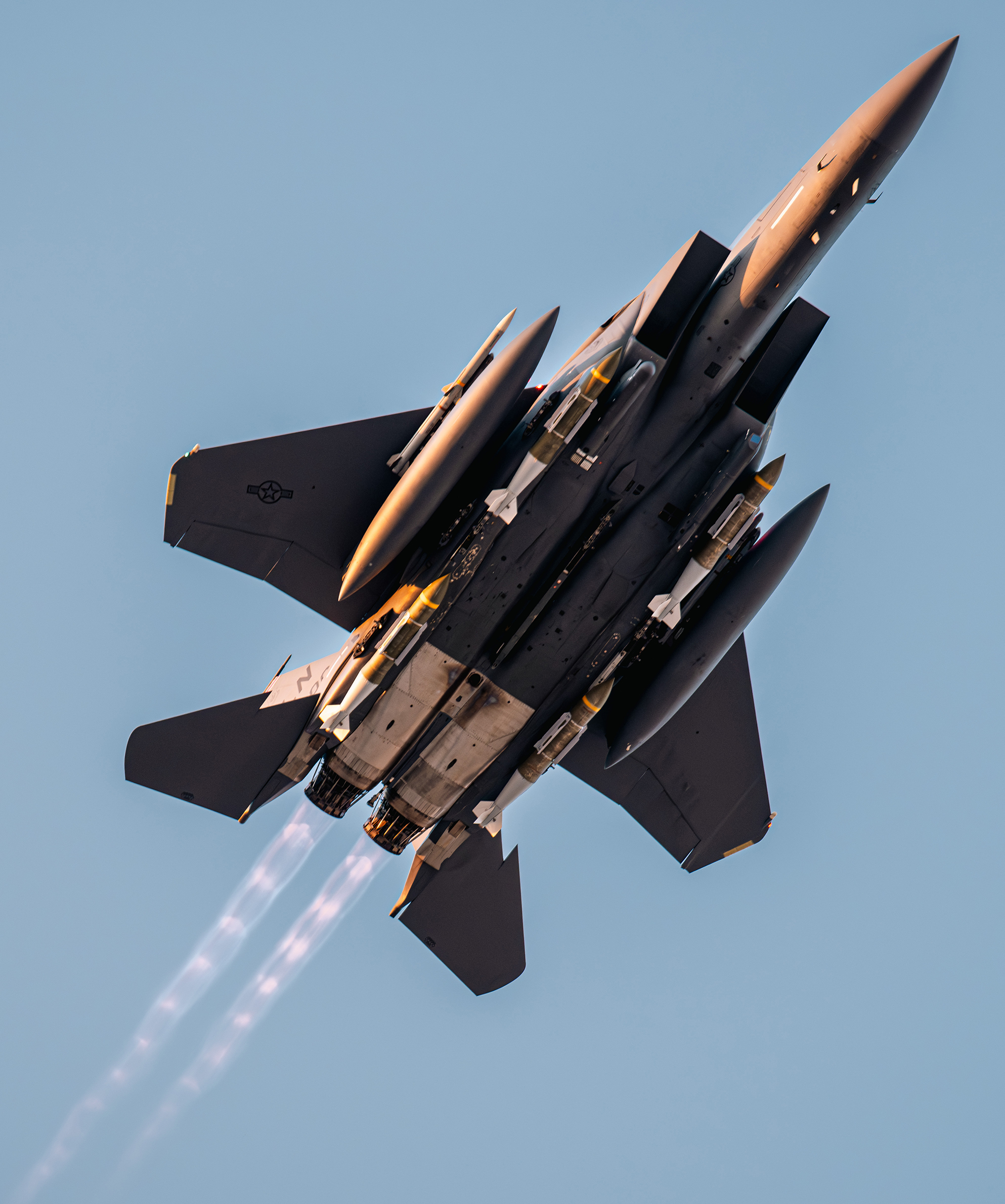
The first 100 hours of “Operation Epic Fury” have cost US forces at least an estimated $5.82 billion, or about 0.69% of the entire 2026 US defense budget, according to data compiled by Anadolu.
Anadolu estimates that the US spent $779 million in the first 24 hours of the operation. As operations have continued, the total operational cost of US offensives has tallied to approximately $3.3 billion, with figures from the Center for Strategic and International Studies showing a similar total.
In addition to operational costs, the US has lost significant military assets in Iran’s retaliatory strikes. According to estimates by Anadolu, the US has already lost roughly $2.52 billion.
US asset losses
The primary contributor to the losses is a US AN/FPS-132 early warning radar system at Al-Udeid Air Base in Qatar, valued at $1.1 billion, which was struck by an Iranian missile on Saturday. Qatar confirmed that the radar was hit and damaged.
On Sunday, three F-15E Strike Eagles were lost in a friendly fire incident involving Kuwaiti air defenses. While all six aircrew survived, the planes did not — with the cost of replacing them estimated at $282 million.
US officials speaking to CBS News said that three MQ-9 Reaper Surveillance and Attack Drones belonging to the US Air Force have been downed so far, at an estimated cost of $90 million.
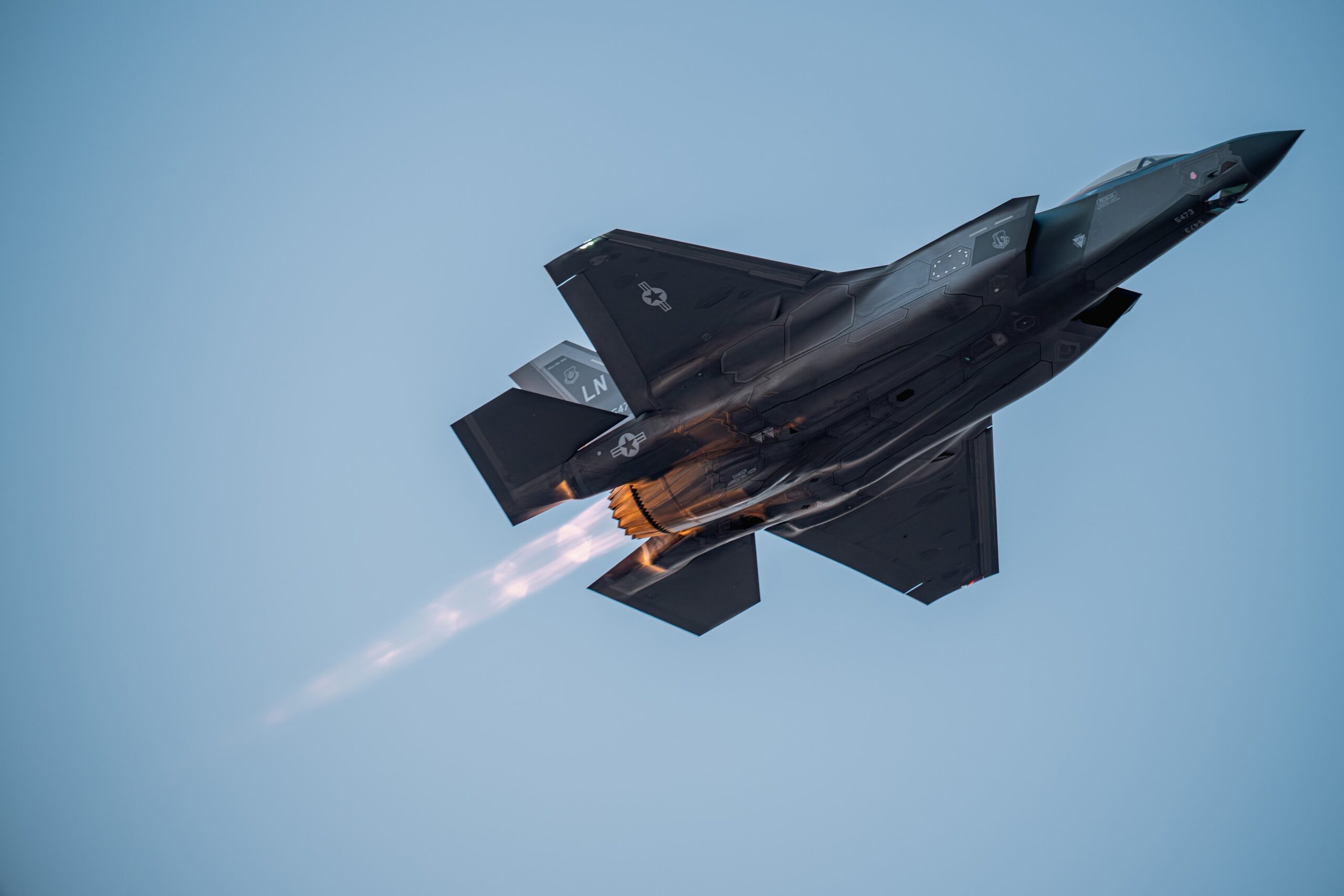
During its initial attack on Saturday, Iran struck the US Navy’s Fifth Fleet headquarters in Manama, Bahrain, destroying two satellite communications terminals and several large buildings.
Open-source intelligence reports identified the targeted SATCOM terminals as AN/GSC-52Bs, with an estimated cost of $20 million, factoring in deployment and installation costs.
In addition to the SATCOM terminals lost in Bahrain, satellite imagery analyzed by the New York Times of Camp Arifjan in Kuwait, shows three more radomes destroyed, adding roughly $30 million in costs.
Since initial reports of a destroyed AN/TPY-2 radar component of the THAAD Anti-Ballistic Missile (ABM) System deployed at Al-Ruwais Industrial City in the United Arab Emirates, at least one other AN/TPY-2 system in Muwaffaq Salti Air Base in Jordan appears to have been destroyed. The damaged radar components are estimated to be worth $500 million each. There are also reports that another system has been hit in the UAE, however, there has been no official confirmation or satellite imagery to support this claim.
Altogether, Iran has damaged an estimated $2.52 billion worth of US military assets in the region.
US offensive costs
According to analysis by the CSIS, Anadolu’s initial estimate of $779 million appears to represent roughly a daily expenditure for US forces.
CSIS estimates it will cost $3.1 billion to replenish the US munitions inventory on a like-for-like basis for the first 100 hours, with the costs increasing by $758.1 million per day.
As the USS Abraham Lincoln and USS Gerald R. Ford remain in the region with their contingent of destroyers and littoral combat ships, they continue to expend an estimated $15 million a day.
US defensive systems were also heavily used to intercept Iranian attacks. According to estimates by the Payne Institute, the US has fired approximately 180 SM-2/SM-3/SM-6 naval interceptors, 90 Patriot PAC-2/PAC-3 missiles, and 40 THAAD interceptors.
Kenya Insights allows guest blogging, if you want to be published on Kenya’s most authoritative and accurate blog, have an expose, news TIPS, story angles, human interest stories, drop us an email on [email protected] or via Telegram


How KCB and Airtel Turned Kenya’s Unbanked Into a Data Goldmine Behind a ‘Financial Inclusion’ Deal

The Chivayo Network: How a Convicted Fraudster Won Access to Presidents, Passports and Billion-Dollar Deals Across Africa

BURRIED TWICE: The Victoria Bank CEO Yogesh Pattni Files

Court Stops Transfer Of EABL Shares To Asahi By Diageo In A Fresh Snag

Death Before Justice: Stephen Ngei, Victim of Sh180 Million Laptop Tender Scam Linked to Allan Chesang, Killed in Highway Crash

Court Brands Sh1.1 Billion Fee Demand by Lawyer Victor Swanya “Excessive and Exorbitant,” Exposes How City Hall Lets Public Money Bleed Through Legal Bills

Trump Unveils New Air Force One

MR. NO SHOW: Finance Bill 2026 Exposes Ndindi Nyoro’s Political Conmanship

Billionaire Eric Muli Rebukes Musalia Mudavadi Over Nairobi Capital Relocation Debate

Lawyer Cliff Ombeta Warns Against Taking Insurance Cover With Old Mutual: “Talk to Me Before You Do, Their Imara Cover Is a Fraud”

Businessman Philip Waithaka Kinuthia’s Minor Son Allegedly Drove Drunk, Killed Two Peponi Students in Ngong Road Horror Crash as Claims of Cover-Up Intensify

Inside NCBA’s Decline: How a Banking Giant Lost Its Strategic Edge

Cement, Cash and Courts: How the Hashu Dynasty Crushed the Ramji Brothers for Fourteen Years and Why the Walls Are Now Closing In

Standard Chartered Ghosts Haunt Joshua Oigara At Stanbic As Whistleblower Spills Beans

South Sudan: Adut Salva Kiir’s Shadow Treasury Exposed

Inside The Urban Planning Cartel That Owns Nairobi

THE VULTURE AND THE SCHEME How Nairobi West Hospital Became the Most Dangerous Institution in Kenya’s SHA Ecosystem and Why the Books Must Be Audited Now

How Adil Popat Saved His Empire On The Eve Of Imperial Bank Collapse and Why Kenya’s Mainstream Media Buried The Story

Why John Ngumi Is Running From the EACC and Why the Sh415 Million Payday May Be the Least of His Worries

The President’s Daughter and The Missing Witness: How Adut Salva Kiir’s Shadow Treasury Silenced Its Most Dangerous Critic
-
 News1 week ago
Businessman Philip Waithaka Kinuthia’s Minor Son Allegedly Drove Drunk, Killed Two Peponi Students in Ngong Road Horror Crash as Claims of Cover-Up Intensify
-
 Business2 weeks ago
Inside NCBA’s Decline: How a Banking Giant Lost Its Strategic Edge
-
 Business2 weeks ago
Standard Chartered Ghosts Haunt Joshua Oigara At Stanbic As Whistleblower Spills Beans
-
 Africa1 week ago
South Sudan: Adut Salva Kiir’s Shadow Treasury Exposed
-
 Investigations3 days ago
THE VULTURE AND THE SCHEME How Nairobi West Hospital Became the Most Dangerous Institution in Kenya’s SHA Ecosystem and Why the Books Must Be Audited Now
-
 Business1 week ago
How Adil Popat Saved His Empire On The Eve Of Imperial Bank Collapse and Why Kenya’s Mainstream Media Buried The Story
-
 Business1 week ago
Why John Ngumi Is Running From the EACC and Why the Sh415 Million Payday May Be the Least of His Worries
-
 Africa2 weeks ago
The President’s Daughter and The Missing Witness: How Adut Salva Kiir’s Shadow Treasury Silenced Its Most Dangerous Critic