
Nairobi raises funds at lower rates while retiring expensive Eurobond early in latest sign of economic stabilisation
Kenya has raised $1.5bn from international investors in a heavily oversubscribed bond sale that attracted five times the targeted amount, marking a significant turnaround in investor sentiment towards the East African economy.
The dual-tranche transaction, which drew more than $7.5bn in bids from fund managers predominantly based in the United States and United Kingdom, allowed Nairobi to secure financing at substantially lower rates than earlier in the year.
The government issued a seven-year bond at 7.875 per cent and a 12-year instrument at 8.8 per cent, achieving a blended rate of 8.7 per cent—a full percentage point below what it would have paid in January.
The funds will enable Kenya to retire $1bn of its 2028 Eurobond ahead of schedule, the third such debt management operation since 2024.
The early repayment strategy represents a departure from the country’s previous approach and signals President William Ruto’s administration is prioritising fiscal discipline following months of economic turbulence.
Kenya’s ability to access international capital markets on favourable terms comes after a turbulent period that saw violent protests erupt in June over proposed tax increases.
The demonstrations, which left dozens dead, forced Ruto to withdraw the finance bill and undertake a cabinet reshuffle. The political crisis had raised concerns about the country’s ability to service its external obligations and maintain macroeconomic stability.
The successful bond issuance suggests investors have regained confidence in Kenya’s economic trajectory, despite the country’s debt burden remaining elevated at approximately 70 per cent of GDP.
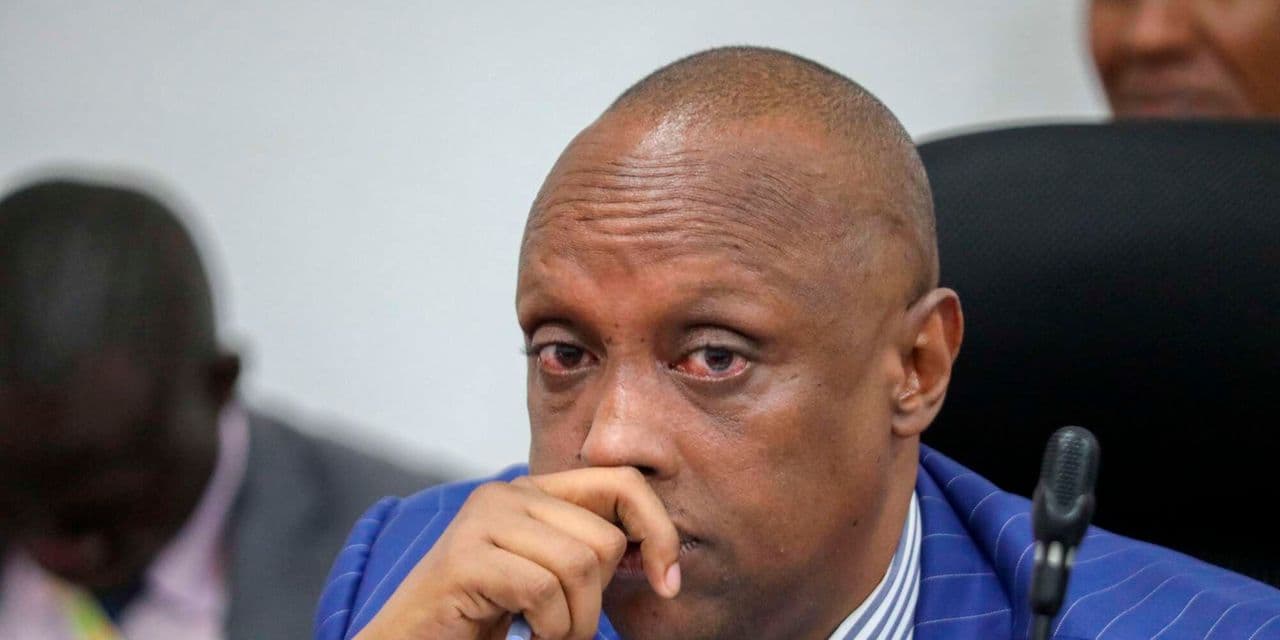
Treasury Principal Secretary Chris Kiptoo said the transaction would “ease pressure on taxpayers and keep the economy stable while creating room to fund development priorities such as roads, health and education.”
The oversubscription—a key metric of investor demand—indicates that international fund managers view Kenya’s reform efforts as credible.
The country has been implementing a comprehensive debt management strategy that includes refinancing expensive commercial loans, extending maturity profiles and reducing rollover risks.
By lengthening the repayment schedule through the new bonds, Kenya has created additional fiscal space that could prove crucial should external conditions deteriorate.
The transaction represents the latest in a series of liability management exercises undertaken by African sovereigns seeking to restructure their debt profiles.
Ghana and Zambia remain locked in protracted debt restructuring negotiations with creditors, while Ethiopia recently completed a debt treatment under the G20’s Common Framework.
Kenya’s ability to access markets voluntarily, rather than through distressed restructuring, distinguishes its position within the region.
However, challenges remain.
Kenya’s interest payments continue to consume a substantial portion of government revenues, limiting resources available for public services and infrastructure investment.
The shilling has depreciated significantly over the past two years, raising the local currency cost of servicing dollar-denominated debt. Inflation, while moderating, remains above the central bank’s target range.
The bond proceeds will also help Kenya navigate a challenging external environment characterised by elevated global interest rates and reduced appetite for emerging market risk.
The country faces additional Eurobond maturities in the coming years, including a $2bn bond due in 2024 that will test the government’s debt management capabilities.
For now, treasury officials will view the transaction as validation of their fiscal consolidation efforts and a demonstration that Kenya retains access to international capital markets.
Whether this marks a sustainable improvement in the country’s debt dynamics or merely provides temporary relief will depend on the government’s ability to boost revenues, contain expenditure and maintain political stability in the face of domestic opposition to austerity measures.
The successful issuance may also provide a template for other African nations seeking to refinance expensive debt, though replicating Kenya’s access to markets will depend on each country’s specific economic fundamentals and reform credentials.






Comments