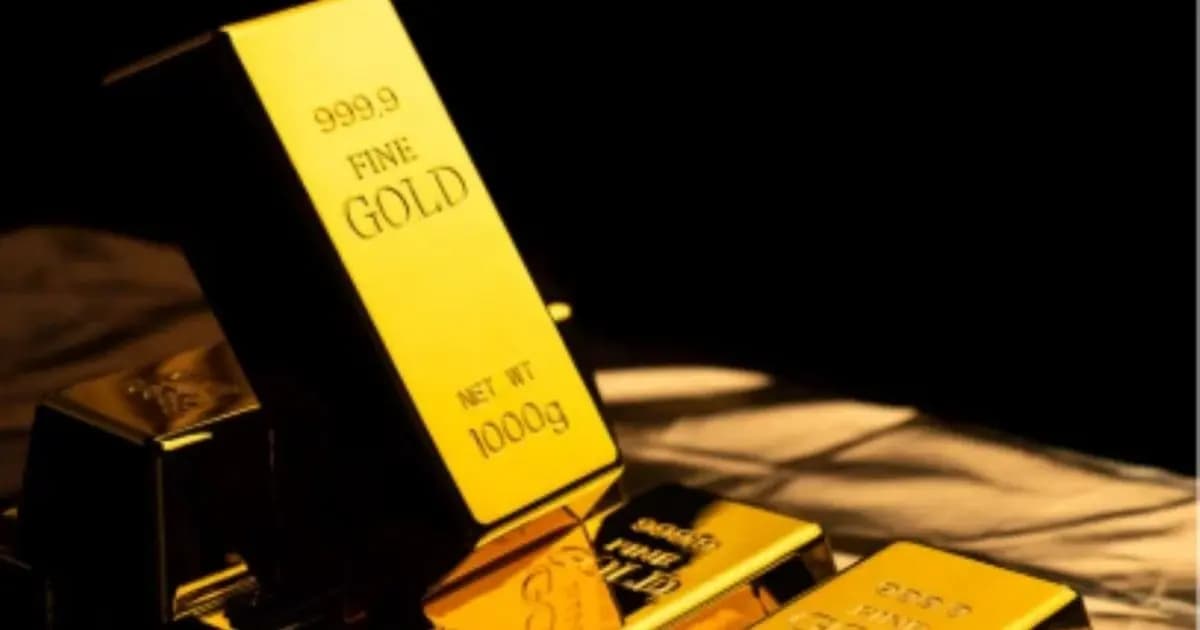
Kenya, January 31, 2026 – Detectives from the Directorate of Criminal Investigations (DCI) are probing a sophisticated gold fraud scheme in which a United States national was allegedly defrauded of KSh 37 million after being lured into what he believed was a legitimate gold purchase in the affluent Kilimani area of Nairobi.
The case highlights growing concerns around precious metals scams, investor vulnerability and regulatory gaps in Kenya’s informal gold market.
According to police, the American national, identified in court filings as David White Odell, travelled to Kenya with the understanding that he would buy 150 kilograms of gold from individuals posing as credible dealers.
He recalled being shown gold nugget samples and even witnessing smelting operations during at least one meeting designed to build trust. “And so I witnessed an operation where they were smelting. They had 150 kg there in nugget form, and they did the smelting there at the compound,” Odell told investigators.
In one conversation with journalists at Central Police Station, Odell described how access to a purportedly secure vault was controlled by combination codes shared between him and one of the suspected dealers, reinforcing the illusion of a genuine transaction. “Both had joint combinations… he put in two, everybody turned their back, and then I put in mine, and that was that,” he said.
The deal reportedly began in December 2025 after Odell was introduced to the suspects as gold dealers operating from a residential property along Rosewood Avenue, Kilimani, described by investigators as the “safe house and nerve centre” of the syndicate.
Despite paying the upfront amount, the agreed transport plans changed, with scammers insisting on using a private jet for shipment, a condition not part of the original agreement.
After communication broke down, the complainant became suspicious and reported the matter to police.
DCI officers later raided the Kilimani premises on January 28, 2026, gaining entry during the complainant’s presence.
Investigators seized metallic bars from a safe as evidence and forwarded samples to the Ministry of Mining for analysis. Laboratory tests determined that the material was not gold but brass, a cheap yellow alloy often used to mimic the appearance of precious metal.
Gold fraud in Kenya is not isolated to this case alone. Similar schemes have been uncovered by authorities over recent years, some involving large sums and sophisticated operations:
In April 2025, DCI arrested 11 suspects and seized about 350 kg of fake gold in a Nairobi scam involving more than KSh 70 million in fraudulent transactions.
In May 2025, four individuals were arrested in Runda following reports of a KSh 25.8 million fake gold deal targeting a foreign national.
In September 2025, police apprehended a suspect in Lang’ata over a KSh 4.5 million fake gold sale, reinforcing the recurring nature of these schemes in Nairobi.
Fraud experts note that scammers often go to great lengths to feign legitimacy, including assaying samples in front of victims, arranging staged storage facilities, and even alleging seizures by customs to complicate deliveries.
The Kilimani gold scam underscores the risks foreign and local investors face when engaging in high-value commodity deals outside formal regulated markets.
Kenya’s gold trade, while attracting global interest due to discoveries in counties such as Migori, Turkana and Kakamega, remains largely informal, with limited oversight on intermediaries, certification processes and safeguards against fraud.
For legitimate traders and buyers, this environment raises concerns about due diligence, title verification, and the reliability of physical inspections.
Financial regulators and mining authorities have repeatedly urged investors to verify licensing, assay certificates and chain of custody for precious metals, steps that can mitigate exposure to fraud.
The DCI is now seeking two suspects, Paul Chogo and Collins Onyango, believed to be at the centre of the Kilimani scaffold network, even as the investigation may lead to broader revelations about mechanisms used by fraud rings targeting foreign capital.






Comments