
The Kenyan government has announced stringent measures that will see defaulters of the Hustler Fund blocked from accessing credit from any financial institution in the country, as authorities grapple with mounting defaults that have reached Sh6 billion.
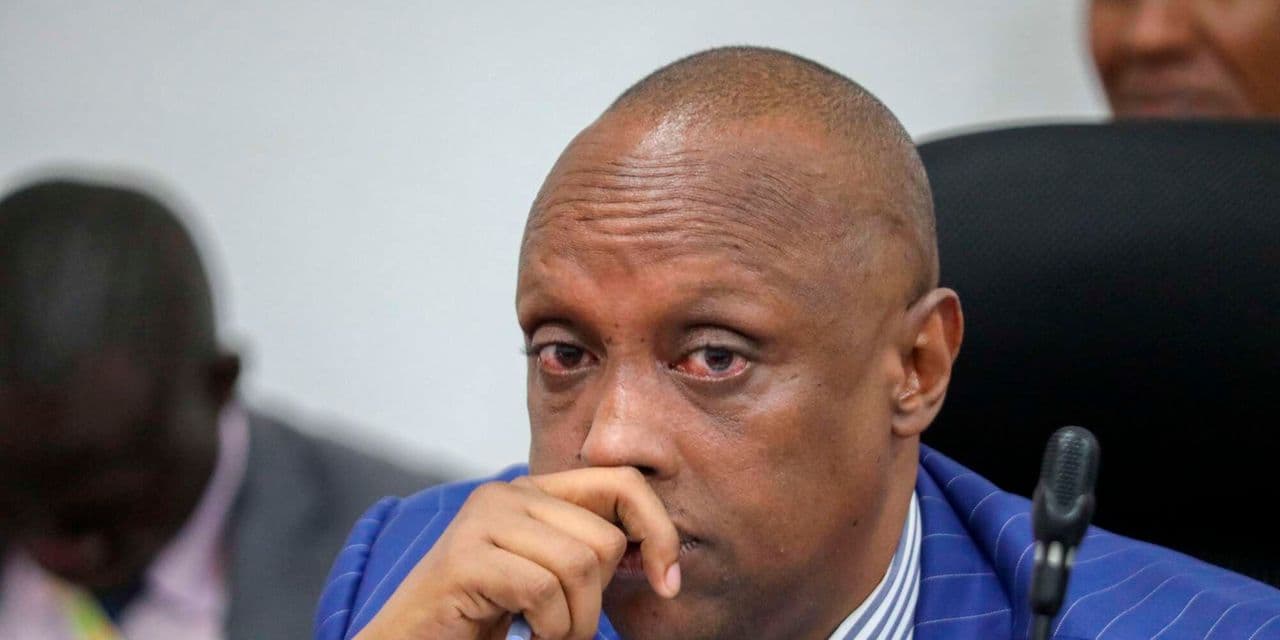
Cabinet Secretary for Cooperatives and MSMEs Development Wycliffe Oparanya revealed the tough new stance during a public-private sector dialogue in Mombasa on Tuesday, warning that the days of escaping loan repayment obligations are over.
“Before any bank approves a loan, it will first check if the borrower has a history with the Hustler Fund and whether they honoured their repayment obligations,” Oparanya stated firmly. “This is about accountability. If you took a loan from the Hustler Fund and failed to repay, you will not access further credit from any bank.”
The announcement comes as the government seeks to protect the integrity of its flagship financial inclusion program, which has disbursed approximately Sh70 billion to over 26 million Kenyans since its launch. The fund was designed as a lifeline for the informal sector, offering affordable financing to small business owners who traditionally struggled to access formal banking services.
However, the program’s success has been marred by a significant default rate, with Sh6 billion recorded in unpaid loans as of May this year. The new blacklisting system represents the government’s most aggressive move yet to recover these funds and deter future defaults.
Under the proposed system, banks and other lending institutions will be required to conduct background checks on the Hustler Fund database before approving any loan applications. This creates a comprehensive credit blacklist that extends beyond the government program to the entire financial sector.
The Cabinet Secretary emphasized that the fund operates on a merit-based system, rewarding responsible borrowers while penalizing defaulters. Disciplined borrowers who maintain good credit scores can access up to Sh150,000 through the Hustler Fund, while defaulters face complete exclusion from the credit market.
“For those who demonstrate discipline and build a good credit score, the Hustler Fund allows you to borrow up to Sh150,000. But for those who default, access to any form of credit will be denied,” Oparanya warned during the dialogue attended by over 3,000 entrepreneurs.
The government has also expanded its financial support ecosystem beyond the Hustler Fund, introducing complementary programs such as the Uwezo Fund and the Credit Guarantee Scheme. The latter enables businesses with proven track records to access loans of up to Sh10 million, backed by government guarantees.
This multi-pronged approach reflects the government’s recognition of the crucial role played by Micro, Small and Medium Enterprises in Kenya’s economy. According to Oparanya, nine out of every ten Kenyans are engaged in MSMEs, making these enterprises the backbone of the country’s economic structure.
The blacklisting initiative is part of broader reforms aimed at creating a more disciplined borrowing culture while maintaining financial inclusion. The government is simultaneously promoting digital transactions to create a cashless economy, reducing bureaucratic delays and increasing transparency in financial dealings.
“We want to encourage Kenyans to buy and sell using their phones. It’s faster, safer and more efficient,” the Cabinet Secretary noted, highlighting the role of technology in transforming the financial landscape.
While the new measures may seem harsh, they reflect the government’s determination to ensure the sustainability of its financial inclusion programs. The Hustler Fund was conceived as a revolving facility, where repayments from existing borrowers would fund new loans for other beneficiaries. High default rates threaten this cycle and could ultimately deny credit access to deserving entrepreneurs.
The announcement has significant implications for millions of Kenyans who have benefited from the Hustler Fund. Those who have defaulted now face the prospect of being locked out of the formal financial system entirely, potentially affecting their ability to grow their businesses or meet personal financial needs.
As the government prepares to implement these measures, the focus shifts to how effectively the blacklisting system will be enforced and whether it will succeed in improving repayment rates while maintaining the program’s core objective of financial inclusion for Kenya’s informal sector.




Comments