
Business
Cash-Starved Kenyans Have Redeemed Sh300m To Buy Food

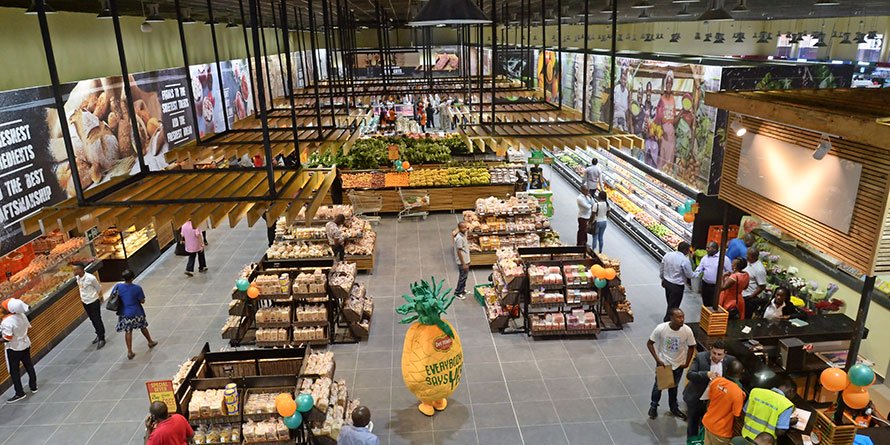
Cash-starved Kenyans redeemed Sh301 million from the Safaricom customer loyalty awards scheme, Bonga Points, to buy food and household items.
The Bonga For Good initiative, in which one point converts to 30 cents, was launched on April 3 to help customers purchase goods and services in the wake of the economic disruption brought by the Covid-19 global pandemic and local measures to slow down its spread in Kenya.
In the new Bonga For Good scheme, customers spent most of their entitlements on food, household purchases, solar equipment and paying bills for utilities like internet and pay-TV.
This came in a period when restrictions imposed to limit the spread of coronavirus disease have seen businesses cut down their activities on reduced consumers demand, triggering layoffs, unpaid leaves and pay cuts.
The reduced cash flow has shifted consumer spending and generated an appetite for non-monetary expenditures like the use of Bonga Points.
Redemption of the points, which saw one billion points used up, have helped Safaricom reduce its stock of the points that sit on its books as a liability. The temporary programme gave customers the option of spending their points beyond the traditional airtime, internet services and mobile phones.
In the year ended March 2019, the value of the Bonga Points stood at Sh3.8 billion.
Under the recent scheme, most of the points were redeemed at supermarket chains such as Naivas, Tuskys and Khetia.
The Bonga Points loyalty programme was introduced in January 2007 and allows customers to earn one point for every Sh10 spent on voice calls, short messages, data and M-Pesa services.
“This initiative is to empower Kenyans to use the savings they have been making by using Safaricom products over the years to meet their needs to pay for their essentials or donate to the most vulnerable in the society,” Safaricom CEO Peter Ndegwa said in an earlier statement.
The points are accounted for as a liability or deferred income in the telco’s books and are only recognised as revenue once they are redeemed by customers for airtime, SMS, merchandise or shopping. With the ongoing economic disruption due to the Covid-19 pandemic, more Kenyans are likely to continue tapping the Bonga Points scheme to cover for their depleting cash reserves. The impact of the coronavirus restrictions has hit low-income earners the hardest, especially those who relied on temporary jobs and those who operated small businesses.
The closure of hotels and restaurants, the ban on markets and restriction of movement in major towns has seen many workers lose their incomes and struggle to cope. Struggling companies have laid off casual workers, small businesses have closed while a large population that supported urban demand for menial jobs is staying at home.
Measures taken to combat the pandemic have seen 92 percent of Nairobi County’s low-income residents suffer reduced incomes, forcing them to cut back on essential purchases, including food.
A survey by Tifa Research has for the first time revealed the stark reality that the economic impact of the curfew, closure of businesses and travel restrictions have had on the capital’s most vulnerable populace.
Ninety two percent of respondents who reported reduced income comprise those who lost their jobs, indicating serious economic hardship should the crisis persist for long. It also includes those who have found themselves underemployed or entirely unemployable as a result of the restrictions.-Business Daily.
Kenya Insights allows guest blogging, if you want to be published on Kenya’s most authoritative and accurate blog, have an expose, news TIPS, story angles, human interest stories, drop us an email on [email protected] or via Telegram


Omtatah Seeks Removal of Three Appeal Judges Over Kenya-US Health Deal Ruling

Blue Origin Rocket Explodes On Launchpad In A Setback For Bid To Catch Musk’s SpaceX

Two Teachers Knew Of Planned Utumishi Girls Dormitory Fire But Failed To Act

Eight Students Arrested In Kenya After Suspected Deadly School Arson Attack

Kenyan Court Orders Suspension Of US Plan For Ebola Quarantine Facility

Mohan Galot’s Empire Faces Collapse As Court Reinstates Sh3 Billion Demand

From Hunger Cartel To Oil Docket: The Troubling Rehabilitation Of Kello Harsama

Ruto Claims Powerful Oil Cartels Are Fighting to Block Dangote Refinery Entry Into Kenya, Vows to Push Ahead

Inside The American Ebola Makeshift Hospital Being Built On Kenyan Soil: Tents, Biocontainment Pods, And A Deal Ruto Cannot Afford To Refuse

Lobby Group Moves To Court To Block Proposed US Ebola Quarantine Facility In Kenya

Why Ruto’s Favourite Candidate Adan Mohammed Could Be Locked Out of the KRA Top Job

Green Gold, Rotten Roots: How Kenya’s Biggest Avocado Firms Hijacked a Sh5.8 Billion Harvest Ban

Safaricom’s Sh1.4 Billion Reckoning: How Kenya’s Most Profitable Company Stole a Man’s Idea and Got Caught

The Rot Inside Absa: How Bank Insiders Are Looting Nairobi’s Customers

The $24 Million Heist at the End of the World

DENTIST IN DISGUISE: How Este Medical Kenya’s Co-Founder Allegedly Prescribed Medicines Outside Her Scope, Lied to Police, and Weaponised the Law Against a Foreign Patient

Denial Under Duress: The Untold Collapse Threatening David Lagat’s DL Group’s Empire

THE INSURER THAT TOOK YOUR PREMIUM AND FORGOT YOUR NAME: How ICEA Lion Left a Client Begging for Sh7.8 Million Across Four Months

LifeCare on the Brink: SHA Fraud, Stolen Wages, and the Rotten Empire Jayesh Saini Built

The President’s Helicopter: How Ruto’s Aviation Empire Lands a Historic Airbus Milestone While His Government Writes the Tax Code
-
 News2 weeks ago
Why Ruto’s Favourite Candidate Adan Mohammed Could Be Locked Out of the KRA Top Job
-
 News5 days ago
DENTIST IN DISGUISE: How Este Medical Kenya’s Co-Founder Allegedly Prescribed Medicines Outside Her Scope, Lied to Police, and Weaponised the Law Against a Foreign Patient
-
 Investigations4 days ago
LifeCare on the Brink: SHA Fraud, Stolen Wages, and the Rotten Empire Jayesh Saini Built
-

 Business2 weeks ago
Court Confirms Safaricom Customers Data Was Sold To Betting Companies In Seven-Year Cover-Up
-
 Americas5 days ago
Inside FAFSA Fraud: How Kenyan Cybercriminals Siphoned Millions from America’s Sh12 Billion Student Loan System
-

 Business2 weeks ago
Blocked: How Mombasa Tycoon Ashok Doshi Has Stopped Imperial Bank Depositors From Getting Their Money
-

 Investigations5 days ago
LSK On The Spot For Renewing Rogue Lawyer Dennis Onyango’s Licence Despite Mounting Evidence He Held Foreign Investors’ Millions Hostage
-

 Business2 weeks ago
Paybill 585555: How Airtel Kenya’s Interoperability Gateway Became A Criminal Pipeline Draining Millions From Unsuspecting M-Pesa Users