
News
DENTIST IN DISGUISE: How Este Medical Kenya’s Co-Founder Allegedly Prescribed Medicines Outside Her Scope, Lied to Police, and Weaponised the Law Against a Foreign Patient
A formal complaint lodged with the Consumers Federation of Kenya has blown the lid off a web of alleged professional misrepresentation, retaliatory policing, and out-of-scope prescribing at one of Nairobi’s most aggressively marketed cosmetic clinics. The story involves a dental surgeon introduced to patients as a dermatologist, a systemic antibiotic prescribed for a skin condition by someone not qualified to do so, and a clinic that allegedly called police and filed a false extortion report against a foreign patient who had done nothing more than try to book an appointment. Kenya Insights investigates.


The fifteenth floor of The Piano building in Westlands is not the most obvious place to find a scandal. Its glass corridors, mood lighting, and hushed atmosphere project the confidence of a clinic that charges accordingly.
Este Medical Kenya Ltd, occupying that floor since the brand’s East African expansion in 2023, has cultivated the aesthetic of a premium British medical institution transplanted into Nairobi’s wealthiest district. Its Instagram account boasts thirty-four thousand followers.
Its website promises the expertise of certified, experienced dermatologists in Nairobi.
Regulators, complainants, and a paper trail that includes a prescription form, appointment reminders, and thirteen months of WhatsApp messages now suggest that promise was, at least in one clinician’s case, a fiction.
A formal complaint filed this week with the Consumers Federation of Kenya by an American citizen who spent KES 120,000 at Este Medical Kenya over a thirteen-month treatment programme has landed the clinic, and specifically its co-founder and lead dentist Dr. Henna Shah, at the intersection of three separate regulatory proceedings.
Complaints have been filed with the Directorate of Criminal Investigations, the Kenya Medical Practitioners and Dentists Council, and the Competition Authority of Kenya.
The complainant, whose identity Kenya Insights has verified and is withholding at her request, alleges that Dr. Shah, a dental surgeon qualified only in dentistry, was systematically and deliberately presented to her as the clinic’s dermatologist for seven months, prescribed her a systemic oral antibiotic outside the registered scope of dental practice, gave false statements to police about her conduct as a patient in a deliberate act of retaliation, and engineered her arrest-adjacent humiliation at a police station in a language she does not understand.
Este Medical Kenya has not responded to requests for comment. Dr. Shah has not responded to requests for comment. Their silence, in the context of what the documentary evidence appears to show, is loud.
THE ARCHITECT OF THE BRAND, AND THE QUALIFICATION BEHIND IT
Dr. Henna Shah is not merely an employee of Este Medical Kenya. She is its founder.
The clinic’s own dentistry webpage, still live at the time of publication, lists her under her correct designation as “founder and lead dentist,” carrying a Bachelor of Dental Surgery from the University of Nairobi, a Postgraduate Diploma in Restorative and Aesthetic Dentistry from the British Academy of Restorative Dentistry, and a Postgraduate Certificate in Oral Implantology.
The page is accurate, thorough, and properly scoped.
It says nothing about dermatology, because she has no dermatological qualifications. Dr. Shah is a dental surgeon.
In Kenya, as in every jurisdiction that recognises the distinction, dental surgeons are qualified to diagnose and treat conditions of the oral cavity, teeth, and associated craniofacial structures. They are not qualified dermatologists. They are not qualified to assess, diagnose, or treat skin conditions, and their prescribing authority does not extend to systemic antibiotics for dermatological indications.
What the complainant found, when she began researching Dr. Shah’s qualifications after the incident of May 20, 2026, was that the same woman she had trusted as a dermatologist for seven months was listed on the clinic’s own website as a dentist.
The clinic’s dermatology pages, by contrast, market broadly to Nairobians seeking “highly experienced dermatologists.” The specific dermatologist the complainant was actually given was a dental surgeon who held no credentials in the field.
“She claimed that the Sylfirm treatment I had invested in does not require ongoing maintenance. This last claim contradicts basic, widely available clinical knowledge about Sylfirm X protocols.” — Formal complaint to COFEK
The complainant’s records document that official appointment reminders sent by the clinic described sessions as “dermatology reviews and treatments.” A WhatsApp message from the clinic dated April 27, 2026, referred to Dr. Shah explicitly as “our dermatologist.” An earlier message from September 2025, sent in direct response to the complainant asking about Shah’s qualifications, described her as “our doctor, not the aesthetician.” None of this was accidental. It was a sustained, institutionally produced misrepresentation of professional credentials, maintained for at least seven months and involving the clinic’s own communications infrastructure.
THE PRESCRIPTION THAT SHOULD NEVER HAVE BEEN WRITTEN
The most clinically alarming allegation in the complaint does not concern identity.
It concerns a prescription. On January 28, 2026, Dr. Henna Shah signed an official Este Medical Kenya prescription form for Lymecycline 408mg, a systemic tetracycline antibiotic used in dermatological practice for the treatment of acne and post-procedural skin reactions.
The complainant says she received the prescription in the belief it was issued by a qualified dermatologist and consumed the medication accordingly.
Lymecycline is not a dental drug. It is a systemic antibiotic prescribed primarily by dermatologists for its anti-inflammatory and antibacterial effects on skin conditions.
Kenya’s Medical Practitioners and Dentists Act, which governs the scope of practice for registered dental surgeons, confines their prescribing authority to conditions within the oral and maxillofacial domain.
The prescription of a systemic tetracycline for a post-treatment skin reaction falls entirely outside that boundary. A dental surgeon issuing such a prescription is not operating in a grey area. They are operating outside the law.
The risks are not theoretical.
Lymecycline carries contraindications and drug interaction profiles that require a prescribing clinician to assess a patient’s full medical history, concurrent medications, and systemic health status.
A dental surgeon, regardless of their clinical excellence within their proper scope, is not trained to conduct that assessment for dermatological conditions. The complainant was not warned that the prescription was issued by someone without dermatological qualification, because she was never told that her clinician was a dental surgeon. She took the drug in reliance on a lie.
Kenya Insights has seen screenshots of the prescription form. It bears Dr. Shah’s name and the clinic’s branding. It was issued at the Piano building. It prescribed a dermatological antibiotic for a skin condition.
The regulator with jurisdiction to determine whether that prescription constituted unlicensed prescribing is the KMPDC, to which a complaint has now been filed.
THE EVENTS OF MAY 20, AND THE POLICE REPORT THAT FOLLOWED
The formal regulatory crisis was triggered by what happened on May 20, 2026. The complainant, having spent KES 120,000 at the clinic across thirteen months on Sylfirm X, PRP treatments, and microneedling sessions, attempted to book a routine maintenance appointment.
She was informed she had been banned from the clinic.
The stated reason was private feedback she had given about an unrelated HydraFacial treatment months earlier, expressed through the same WhatsApp channel the clinic uses for all patient communication.
She was not given any formal notice. She was not offered a refund or a resolution. She was simply told she could no longer come back.
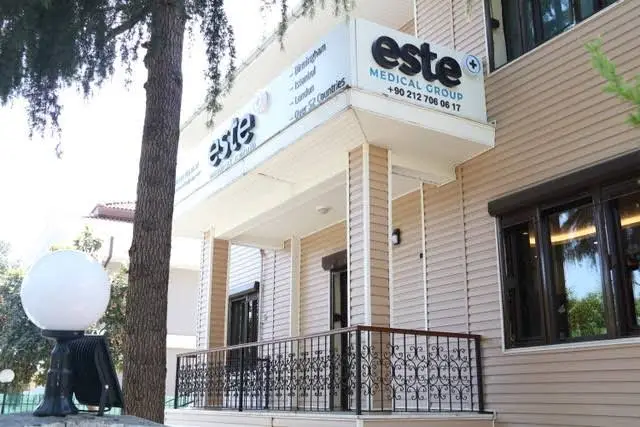
She visited the clinic in person to seek an explanation. What followed, according to the complaint, was a calculated escalation. The branch manager, who refused to give his name throughout the encounter, called police to the premises. He then made an accusation of extortion against the complainant to the attending officers.
The accusation was communicated in Swahili, a language the complainant does not speak, deliberately excluding her from the conversation in which criminal allegations were being made against her.
She only learned of the extortion allegation when the police officers, in English, informed her of it. By then, the manager had already constructed the narrative. She had no ability to rebut it in real time because she had been linguistically barricaded from it.
The complainant has thirteen months of WhatsApp records between herself and the clinic.
Kenya Insights has reviewed portions of those records. They document a patient who was diligently scheduling appointments, self-reporting skin concerns, following post-procedure protocols, and postponing sessions at the clinic’s own recommendation when her skin was not ready for treatment.
There is nothing in those records resembling a criminal demand.
The records are the records of a compliant, cooperative patient who paid for a premium service and expected to receive it.
Having manufactured the police confrontation, the clinic manager then, according to the complaint, arranged for Dr. Henna Shah to give statements to police about the complainant’s conduct as a patient.
Shah allegedly told officers that the complainant had complained constantly during treatment, had consistently disregarded post-procedure protocols, and that the Sylfirm X treatment she had invested in does not require ongoing maintenance.
All three claims are directly contradicted by the WhatsApp records.
The third claim is additionally contradicted by every credible clinical reference on Sylfirm X, which universally describes ongoing maintenance as essential to preserving treatment outcomes.
Dr. Shah, a dental surgeon who had been performing and overseeing a skin treatment programme, made these statements to law enforcement knowing, the complainant alleges, that they were false.
The clinic then, per the complaint, had a staff member film the complainant while she was in visible distress, without her consent. And when the complainant formally requested copies of her own medical records, the clinic refused. The complainant says she has an audio recording of that refusal.
MARKET DOMINANCE AS A WEAPON
The complaint raises a dimension of the case that extends the allegation beyond individual bad faith into competition law.
Este Medical Kenya holds what the complainant describes as an exclusive commercial footprint for Sylfirm X technology in Nairobi.
Sylfirm X is a radiofrequency microneedling platform used in skin tightening and pigmentation treatments.
If the complainant’s characterisation of market exclusivity is accurate, the clinic was, at the moment it banned her, the only facility in Nairobi capable of providing the maintenance treatments that her KES 120,000 investment required.
Banning her in retaliation for private feedback did not merely end a consumer relationship. It rendered the entire value of her treatment investment unreachable.
This is why a complaint has been filed with the Competition Authority of Kenya. Section 24 of the Competition Act prohibits the abuse of a dominant market position.
Weaponising an exclusive market position to punish a patient for privately expressing dissatisfaction, while simultaneously filing a false criminal report against her, presents a constellation of facts that the CAK will now have to assess.
A PATTERN THAT NAIROBI’S REGULATORS ARE ONLY BEGINNING TO CONFRONT
The Este Medical Kenya case does not arise in a vacuum.
It drops into a Nairobi healthcare landscape that has, over the past eighteen months, been convulsed by a series of scandals involving unlicensed practitioners, inadequate clinical standards, and the catastrophic consequences of unregulated cosmetic medicine.
The most viscerally documented case remains the death of Lucy Wambui Kamau, a forty-seven-year-old businesswoman who underwent a liposuction and body contouring procedure at Omnicare Medical Limited, operating as Body by Design, on October 14, 2024.
She was discharged four days later, developed complications at home, returned to the facility, was referred to Nairobi Hospital, where surgeons discovered multiple intestinal perforations, and died on October 26, 2024.
The Kenya Medical Practitioners and Dentists Council immediately ordered the closure of the facility.
The government ordered inspections of all similar aesthetic facilities across Nairobi, Mombasa, Nakuru, and Eldoret.
In April 2025, the clinic’s two directors and operating surgeon were charged with manslaughter at Kibera Magistrates Court. The case remains before the courts.
That case prompted the government to issue a broader directive. In February 2025, the Principal Secretary for Public Health, Mary Muthoni Muriuki, directed the KMPDC to enforce the immediate closure of all unregistered aesthetic clinics operating illegally and to crack down on facilities with inadequate infection prevention and control measures.
By August 2025, the KMPDC had closed 158 Nairobi health facilities following inspections of 288 premises.
By the end of the same month, a gazette notice confirmed that 544 health institutions across Kenya had been shuttered for operating without proper registration or licensing.
KMPDC CEO Dr. David Kariuki warned that the council would not allow what he called “quacks and unlicensed persons” to endanger the lives of Kenyans.
Also relevant to the Este Medical Kenya case is a crackdown initiated in January 2026 after media reports of a dental procedure at an unregistered clinic in Kawangware that resulted in severe complications for a patient.
The KMPDC shut down four facilities in Nairobi in that operation, finding patients in unsafe conditions at an unregistered facility operating outside regulatory approval.
The Kawangware situation involved a dental practitioner operating outside their registered scope.
The Este Medical Kenya allegations, if they are upheld, involve something structurally identical at the other end of the market: a premium clinic in a premium building, charging premium prices, where a dental practitioner was allegedly operating a dermatology practice without the qualifications to do so.
The price points differ. The principle is the same.
THE PRECEDENT THAT SHOULD BE MAKING CLINICS NERVOUS
Kenya’s courts have, in parallel, been articulating the legal consequences of what happens when clinicians exceed their registered scope.
In June 2025, the High Court at Milimani handed down judgment in the case of Naila Qureshi and her husband against gynaecologist Dr. Raffique Parker and the Aga Khan Hospital.
The court found that Dr. Parker had removed Qureshi’s cervix without her informed consent during a procedure for pelvic endometriosis, had caused lasting damage to her bladder, and had performed functions of a urologist despite holding no qualifications in urology.
Justice Alexander Muteti awarded the plaintiffs KES 157,207,524 in special and general damages.
The Aga Khan Hospital, which had failed to vet the doctor’s professional standing before allowing him to perform outside his specialty, was found corporately negligent and held jointly liable.
The principle embedded in that judgment is directly applicable to Este Medical Kenya.
A facility that presents a dental surgeon as a dermatologist, allows that dental surgeon to oversee a seven-month dermatology treatment programme, and provides prescriptions for systemic dermatological antibiotics signed by that dental surgeon, is doing precisely what the Aga Khan was found liable for: failing to confine its practitioners to the scope of their registered qualifications, and failing to be truthful with patients about who was treating them and in what clinical capacity.
The difference is that Qureshi’s case took eighteen years to reach judgment. The complainant in the Este Medical Kenya matter has moved faster, filed in multiple forums simultaneously, and documented everything.
THE FOREIGN PATIENT PREMIUM
There is a dimension to the Este Medical Kenya complaint that warrants specific attention.
The complainant is an American citizen.
She was, by definition, a foreign visitor with limited local recourse, limited cultural fluency, no Swahili, and no established relationship with Kenyan law enforcement or regulatory structures.
The clinic’s branch manager communicated with police in Swahili, a language the complainant does not speak.
The extortion allegation was constructed and relayed to police officers in that language while she stood present but unable to comprehend what was being said about her.
She was filmed while distressed. She was denied her medical records. She was banned from the clinic that held exclusive access to the technology her investment depended on.
Each of those acts, taken individually, would be a serious breach of consumer rights.
Taken together, and in the context of a complainant who was simultaneously discovering that her treating clinician had been misrepresented to her for seven months and had prescribed medication outside a scope of practice she was never told about, the picture is of a clinic that understood it had a vulnerable target and acted accordingly.
The foreign tourist or expatriate patient market is significant in Nairobi’s cosmetic medicine sector.
Clinics in the Westlands corridor routinely market their international credentials to attract patients from the diaspora, visiting professionals, and expatriate residents.
The Este Medical Kenya case, if the allegations are substantiated, represents a systematic exploitation of precisely the trust that marketing creates, directed at a patient least equipped to challenge it.
WHAT MUST NOW HAPPEN
Three regulatory bodies now have formal complaints in front of them. The KMPDC must determine whether Dr. Henna Shah, a registered dental surgeon, operated outside the scope of that registration by conducting dermatology consultations, overseeing a dermatological treatment protocol, and prescribing systemic antibiotics for a non-dental skin condition.
The Competition Authority of Kenya must assess whether the clinic abused a dominant market position. The Directorate of Criminal Investigations must assess whether a false report was made to police.
Beyond those three proceedings, the Ministry of Health’s mandate to inspect all similar aesthetic facilities across Nairobi, issued in the wake of the Body by Design death in 2024, should encompass Este Medical Kenya.
The question of whether the clinic holds the appropriate licences for dermatological practice, whether the practitioners performing dermatological treatments are registered in the appropriate specialty, and whether the prescribing of systemic antibiotics by its dental surgeon was reflected in any regulatory disclosure, are questions that fall squarely within the inspection mandate that already exists.
Este Medical Kenya’s website, as of the date of publication, continues to advertise the services of highly experienced dermatologists in Nairobi and to market Sylfirm X treatment programmes to new patients.
It continues to promote Dr. Shah under her dual designation as dentist and, implicitly through the clinic’s marketing, as a clinical leader across its broader health offering.
The KES 120,000 patient who triggered this investigation is travelling internationally within days. The clinic, absent regulatory intervention, continues to operate.
The KMPDC’s stated tolerance for unlicensed practice is, by now, a matter of public record.
Whether it applies that tolerance uniformly, across the price spectrum, from the unregistered dental clinic in Kawangware to the fifteenth-floor aesthetic suite in Westlands, is the question this case will test.
Kenya Insights allows guest blogging, if you want to be published on Kenya’s most authoritative and accurate blog, have an expose, news TIPS, story angles, human interest stories, drop us an email on [email protected] or via Telegram


DENTIST IN DISGUISE: How Este Medical Kenya’s Co-Founder Allegedly Prescribed Medicines Outside Her Scope, Lied to Police, and Weaponised the Law Against a Foreign Patient

Nigerians Arrested in Thailand Over AI Dating Scam

Senegal President Sacks PM Sonko, Dissolves Government After Months of Friction

Court Sets Date For Ruling In Gachagua Impeachment Petitions

China Threatens Kenya With Lawsuit Over Secret SGR Contracts as Court Orders Full Disclosure

Auto Accident Claims: Essential Guide for Engaging an Auto Accident Lawyer Las Vegas

City Tycoon Chris Obure in Sh7.6 Billion Court Compensation Battle Over Alleged Illegal Eviction and Missing Family Gold Investment

Questions Over Missing Sh1.3 Billion in Mombasa Water Company

Jackson Kihara Accuses His Uncle Rigathi Gachagua of Framing Him in Robbery with Violence Case To Surrender Father’s Property

Court Finds Shooble Energy Director Guilty Of Defrauding Kenyan Investors Sh23.5 Million

How Did a Sh468K KRA Salary Allegedly Turn Into Sh30 Billion? Questions Deepen Over Commissioner George Obel and Ciala Resort Owner’s Wealth

Why Ruto’s Favourite Candidate Adan Mohammed Could Be Locked Out of the KRA Top Job

Green Gold, Rotten Roots: How Kenya’s Biggest Avocado Firms Hijacked a Sh5.8 Billion Harvest Ban

Safaricom’s Sh1.4 Billion Reckoning: How Kenya’s Most Profitable Company Stole a Man’s Idea and Got Caught

The $24 Million Heist at the End of the World

The Rot Inside Absa: How Bank Insiders Are Looting Nairobi’s Customers

Denial Under Duress: The Untold Collapse Threatening David Lagat’s DL Group’s Empire

THE INSURER THAT TOOK YOUR PREMIUM AND FORGOT YOUR NAME: How ICEA Lion Left a Client Begging for Sh7.8 Million Across Four Months

The President’s Helicopter: How Ruto’s Aviation Empire Lands a Historic Airbus Milestone While His Government Writes the Tax Code

Bush Air Safaris Founder John Ndiritu Risks Losing Property Over Disputed Loan Claim
-
 News7 days ago
Why Ruto’s Favourite Candidate Adan Mohammed Could Be Locked Out of the KRA Top Job
-
 Business2 weeks ago
The Rot Inside Absa: How Bank Insiders Are Looting Nairobi’s Customers
-
 Business2 weeks ago
The President’s Helicopter: How Ruto’s Aviation Empire Lands a Historic Airbus Milestone While His Government Writes the Tax Code
-

 Business7 days ago
Court Confirms Safaricom Customers Data Was Sold To Betting Companies In Seven-Year Cover-Up
-

 Arts & Culture2 weeks ago
“TikTok Who? YouTube Sorry. A Kenyan-Built Platform Just Dropped—and 20 African Ministers Showed Up To Launch It.”
-
 Business5 days ago
Blocked: How Mombasa Tycoon Ashok Doshi Has Stopped Imperial Bank Depositors From Getting Their Money
-

 Business7 days ago
Paybill 585555: How Airtel Kenya’s Interoperability Gateway Became A Criminal Pipeline Draining Millions From Unsuspecting M-Pesa Users
-
 News4 days ago
Jackson Kihara Accuses His Uncle Rigathi Gachagua of Framing Him in Robbery with Violence Case To Surrender Father’s Property